Clínica EGOS Alicante
Pl. del Alcalde Agatángelo Soler, 3, 03015 Alicante
Facial Surgery · Alicante
Rhinoplasty in Alicante is almost always searched for with a mix of enthusiasm and doubt: you want to change the shape of your nose or breathe better, and you do not know whom to believe among so many clinics. This page helps you order the decision. It explains what the operation corrects, how ultrasonic rhinoplasty works, what you notice at each stage of recovery and what to check before choosing a clinic.
Updated

This is our cosmetic surgery clinic in Alicante, at number 3 Plaza del Alcalde Agatángelo Soler. On this page you will find what a surgeon would explain to you at the consultation, with the medical sources in plain view.
The American Society of Plastic Surgeons (ASPS) explains that rhinoplasty can change the profile (a hump, such as that of an aquiline nose, or a depression), the width of the bridge, the tip, the nostrils and the size of the nose in relation to the face, and correct breathing problems that stem from its structure. That is why two things are always discussed in the consultation: how you want your nose to look and how you breathe.
The ASPS asks that the face has finished growing, good health, not smoking and realistic expectations, and that the decision be yours. If it is better to wait, the surgeon will tell you at the assessment.
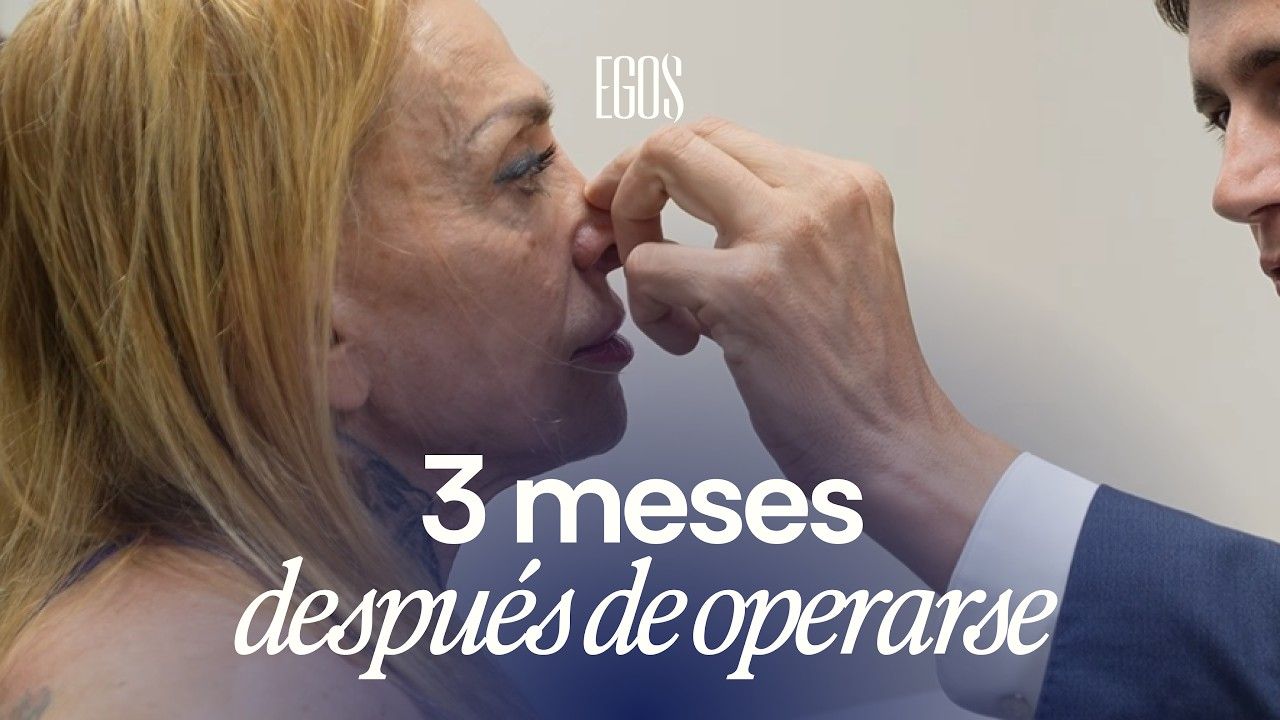
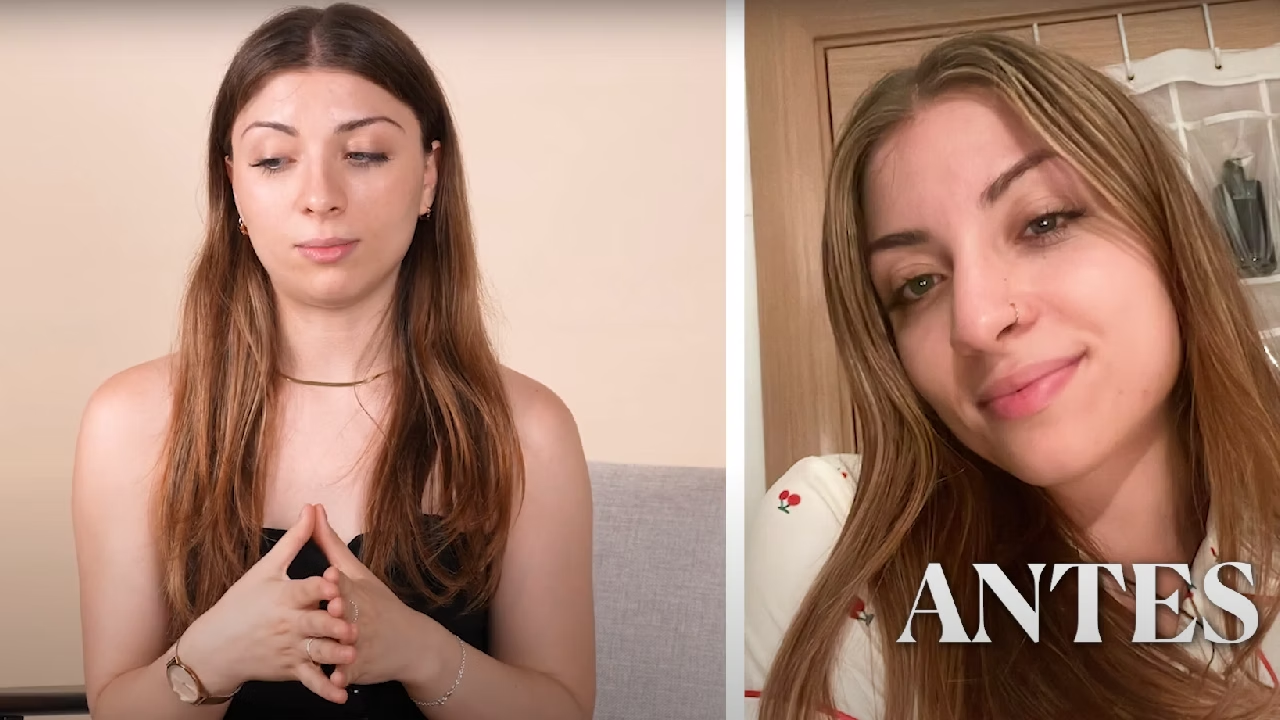
Cases of well-known patients
Not all rhinoplasties pursue the same thing. Some people consult only about the shape, some only about their breathing and some about both. The distinction matters because it changes the plan: an aesthetic rhinoplasty works on the bridge, the tip and the proportions; a functional one acts on the septum, the turbinates or the nasal valve to free the passage of air; and a combined one does both.
Tell the surgeon from the first visit if you have almost constant congestion, snoring or a nostril that closes when you breathe in, even if you come for the shape: it changes the plan. And if you only want to breathe better, not every nasal obstruction means changing the look of the nose.
For the ASPS, an operation that aims to improve breathing calls for a careful study of how the structure of the nose relates to the passage of air, and among the commonest causes of obstruction is the deviated nasal septum, which is corrected by readjusting the structure so that it sits better aligned. If you find it hard to breathe, say so at the start of the consultation, even if you come for the shape.
One administrative question comes up in Alicante and everywhere else: whether public healthcare covers it. Royal Decree 1030/2006 does not include procedures with a cosmetic purpose in the public portfolio, unless they stem from a congenital malformation, an illness or an accident. If what bothers you is mainly breathing, or the cause is a blow, the first step is to have your doctor in the public system assess it.
Anyone comparing rhinoplasty clinics in Alicante can look at five things that can be checked.
The person and the place: before you book a date we tell you in writing who will operate on you, with their medical registration number, and in which centre, with its registration from the Generalitat Valenciana. It is a healthcare centre, a medical clinic, not a beauty establishment. The specialty is checked on the REPS (Registro Estatal de Profesionales Sanitarios, the Spanish state register of healthcare professionals); the medical registration, on the public register of the Organización Médica Colegial.
The information: a good surgeon explains limits and alternatives, and not only the result you want. The follow-up: find out who will see you afterwards and where. The quote: it must be written and itemised.
At this visit you talk about what you want to change and how you breathe, and the surgeon goes over your medical history with you. Then they examine and measure your face, take photographs and suggest a way forward.
Bring photographs of yourself, from the front and in profile, in which your face is clearly visible. Say what bothers you about your nose and what you do not want to change. The surgeon explains at the consultation which changes are possible in your case, always as guidance, not as a guaranteed result.
The ASPS suggests asking, among other things: where you will be taken when you wake up from the operation, what medication you will be given, whether there will be dressings and when they come off, whether there are stitches and when they are removed, when you can resume activity and exercise, and when the check-up is.
Add your own: who will operate on me, who will do my check-ups and which technique is proposed, and why. Taking the list with you saves phone calls the next day.
The ASPS defines rhinoplasty as surgery that improves facial harmony and the proportions of the nose. That means the surgeon does not look at the nose on its own: they see it in relation to the forehead, the cheekbones, the lips and the chin.
That is why combining it with another procedure, such as a genioplasty to balance the profile, is sometimes considered. And it is why a nose that looks good in someone else's photo may not suit your face. Bringing images helps to understand your taste, not to copy a mould.
Ultrasonic, or piezoelectric, rhinoplasty changes the way the bone is worked: an instrument that cuts with high-frequency vibrations replaces the chisel and the mallet, and the tip and the cartilage are still operated on as always. It brings more when what needs correcting is bone than when the problem is the tip. The technique is described in detail on the ultrasonic rhinoplasty page.
The nose can be operated on in two ways, and what decides the approach is not fashion but what needs correcting. In closed rhinoplasty all the incisions are made inside the nostrils; in open rhinoplasty a minimal incision is added on the columella, the strip of tissue between the nostrils, and the skin is lifted to expose the framework of the nose. This is how the ASPS describes it (consulted in October 2026), and the SECPRE (the Spanish Society of Plastic Surgery) adds that many surgeons work from the inside and reserve the open approach for the most complex cases.
For you the difference comes down to two things. The first is the scar: with the closed approach there is no visible mark, and with the open one a fine line remains on the columella, more or less noticeable depending on how you scar. The second is visibility: a complicated tip or a nose that has already been operated on may call for the panoramic view that the open approach gives. Ask which one is proposed in your case and why.
Sometimes the nose is not reduced but reinforced. According to the ASPS, when the surgery needs cartilage grafts, the commonest source is the patient's own septum; if that is not enough, it can be taken from the ear and, rarely, a fragment of costal (rib) cartilage. It is a detail worth knowing, because it shows where one more scar might come from and because, in a nose that has already been operated on, the cartilage available may be less. If you have been in the operating theatre before, bring the report of that operation: it is what lets the surgeon know what they have to work with.
Rhinoplasty is performed in an operating theatre, under anaesthetic; the medical team confirms the type and whether you will sleep at the centre. If you go home that day, you need someone you trust to take you, collect you and spend the first night with you, as the ASPS asks.
Before the date you may be asked for tests and have your medication adjusted; you are asked not to smoke and to avoid some medicines and supplements that encourage bleeding.
As a reference, the SECPRE always places rhinoplasty in the operating theatre of a clinic or a hospital, with local anaesthetic plus sedation or, most commonly, general anaesthetic, and puts the duration at between one and two hours, somewhat more if the case is complex; the British NHS speaks of between an hour and a half and three hours. At EGOS we operate under general anaesthetic. All of these are reference figures: how long your operation lasts and whether you sleep at the centre is confirmed by the medical team.
When you leave you wear a splint on the outside and, depending on the case, packing or splints inside that hold the new structure in place. Your face is swollen and breathing through your nose is difficult while the dressings last. This is what is expected.
The external splint is removed after a few days, when the surgeon says so. In the meantime, sleep on your back with your head raised, do not blow your nose hard, sneeze with your mouth open and do not touch your nose. Intense effort and lifting weights wait until your surgeon allows them.
The ASPS points out that the initial swelling goes down in a few weeks, but that the contour can take up to a year to refine, with swelling that comes and goes and is usually more noticeable in the morning. The SECPRE states that no opinion can be formed on the result until several months have passed, even a year, which is what the tissues need to settle and the scars to mature.
That is why it is best to reserve judgement on your nose for the following months and not make decisions in the third week.
With the splint on, which the NHS puts at around seven days and which is held in place with tape, the week is not spent in the dark. Alicante has sun even in winter. According to AEMET (the Spanish state meteorological agency), in its 1981-2010 series January adds up to some 181 hours of sunshine, about eight clear days a month and an average maximum of 17 degrees, and the whole year counts about 95 clear days. With those figures, your nose goes out protected in any month, January included.
The practical problem is sunglasses. A frame rests right on the bridge of the nose, which is what the splint protects, and that is why glasses, sunglasses too, do not rest on the nose for several weeks, until the surgeon allows it.
The wind complicates the hat. On days of levante or a strong breeze, a loose cap blows off and the gesture of holding it brings your hand up to your face, right where it should not go. Choose a visor that fits tightly at the back and leave the wide-brimmed hat for days without wind.
Water is the third account. The NHS recommends keeping the splint from getting wet and avoiding hot baths, so the sea and the swimming pool are out for that week, and the SECPRE asks you to wash your face carefully. For eight weeks, adds the SECPRE, the nose is not exposed to the sun or to knocks. With that period ahead, the useful question is not whether you go out, but at what times and with what protection: ask which sun cream suits the skin of your nose. If you would like more detail on what you notice with the splint on and what to do if it shifts or gets wet, there is our guide to the nose splint on our blog.
Operated on before and not happy with the result? Secondary rhinoplasty is considered once the nose has settled. Non-surgical nose reshaping with injectable fillers is for small touch-ups, without touching the bone and without improving breathing. We have a dedicated page for each.
The figure for your case arrives in writing after you have been examined, because it changes with the defect to be corrected, the technique and any associated procedures. That document must arrive itemised: fees, operating theatre, anaesthesia, materials, check-ups and dressings.
If you have two rhinoplasty quotes in Alicante in front of you, first check that they describe the same operation (nose only, or nose and septum), then that both include anaesthesia and the operating theatre, and finally what happens with dressings and check-ups in the first few weeks. The lowest figure is not always the cheapest, and neither is reliable until you have been examined.
Address: Plaza del Alcalde Agatángelo Soler, number 3 (03015 Alicante), next to the Gran Vía shopping centre. To book an appointment: +34 684 41 67 85. Opening hours: from 10:00 to 20:00, Monday to Friday. Our Alicante listing on Google had an average of 4.9 over 106 reviews when read on 14 October 2026.
From the clinic, the province opens in two directions that change the journey: the coast to the north and the Vinalopó valley to the west. Not counting traffic, in the Vinalopó Mitjà Aspe is about 33 kilometres away (29 minutes), Elda 41 (35 minutes) and Monóvar 44 (36 minutes). In the Marina Baixa, Finestrat is 40 kilometres away (35 minutes), l'Alfàs del Pi 47 (38), La Nucía 49 (43) and Callosa d'en Sarrià 55 (50). In the Marina Alta, Calp is 61 kilometres away (50 minutes) and Benissa 70 (50).
Those kilometres weigh most on one day: the check-up at which the splint is removed, the date of which your surgeon sets. You will arrive with your face still swollen, perhaps bruised, and breathing through your mouth, because the NHS reckons on about a week of difficulty breathing through the nose. It is a journey to make accompanied and not at the wheel; if you have been prescribed painkillers, also ask whether you can drive on them.
If you are coming from far away, arrange your appointments from the start. Before booking, find out how many check-ups fall in the first month, which ones are in person and which one is the splint removal; with those dates you can ask for your days off work in one go and decide whether it suits you to sleep near the clinic the night before. Bring a note of the town you are travelling from, so the surgeon can fit the schedule of check-ups to that journey.
Yes, and the assessment can be requested from any town. Aspe is half an hour away by car and Calp about fifty minutes; the day when distance matters most is the day the splint comes off.
When the surgeon allows it. The NHS asks that the splint not get wet and puts swimming at around three weeks, but the date for the beach and the pool is the one your surgeon gives you. In the meantime, shade and a visor.
Not resting on the nose: they wait several weeks, until the surgeon allows it. In the meantime, shade comes from a cap or a visor.
Compare what can be checked: who operates and whether they are registered with the Medical Association, in which centre and with what registration, what they tell you about alternatives and limits, who does the follow-up and whether the quote is written and itemised. The most attractive website is not a criterion.
You talk about your aims and your breathing, the surgeon examines you and takes photographs and explains the options. Before the date is set we give you in writing the name and Medical Association number of the person who will operate on you.
Call +34 684 41 67 85. We are open mornings and afternoons, Monday to Friday (10:00-20:00), at number 3 Plaza del Alcalde Agatángelo Soler.
It depends on the defect to be corrected and on the technique, so the figure arrives after the assessment, in a written, itemised quote.
The surgeon explains at the consultation which changes are possible in your case. The final result depends on your anatomy and on how you heal, and nobody can guarantee it.
The ASPS lists not smoking among the requirements. Give up tobacco before the operation and tell the surgeon; with tobacco, blood reaches the tissues less well and the wound heals with more difficulty.
If you are proposed a specific nose without being told why, if alternatives are not discussed or if you feel rushed. Take the quote and your notes from the first consultation.
In some cases it is considered to balance the profile. The surgeon decides when assessing the nose within the whole face; not every nose needs it.
If another clinic is closer to you, see Rhinoplasty in Barcelona, Ultrasonic rhinoplasty in Madrid, Ultrasonic rhinoplasty in Bilbao and Rhinoplasty in Zaragoza.
In Alicante we also see patients for: Breast augmentation in Alicante, Liposuction in Alicante and Breast lift in Alicante.
ASPS, rhinoplasty: what it is, candidates, consultation, preparation, procedure, recovery, results and costs. · SECPRE, nose surgery. · NHS, nose reshaping. · Spanish Ministry of Health, State Register of Healthcare Professionals (Registro Estatal de Profesionales Sanitarios). · Royal Decree 1030/2006, in the BOE (Spain's official gazette). · AEMET, normal climatological values for Alicante. · OpenStreetMap and OSRM, distances and routes by road (consulted on 16 October 2026).
Content reviewed by Dr. Santiago Elvira i Barberà, plastic surgeon (Medical Association member no. 49756) · October 2026
For information only; it does not replace a consultation with a healthcare professional. The results of any procedure depend on each patient and are assessed individually. Clínica EGOS.
Pl. del Alcalde Agatángelo Soler, 3, 03015 Alicante
Black Days · Limited places
Up to 40% off surgery and 20% off aesthetic medicine throughout November. Book your free first consultation before places run out.