Skip to content

Facial Surgery

Ultrasonic Rhinoplasty: Precision and natural results

Enhances the appearance and shape of the nose.

Desde 4500€

Ultrasonic Rhinoplasty

Estimate your financing

Amount4500
months

95/mo

Book a consultation

Indicative simulation: 0% up to 12 months; 9.5% nominal thereafter. Amount €250–€40,000. Financing subject to lender approval; APR per conditions.

Surgery duration

30 minutos

Anesthesia

General

Postoperative rest

No rest required

Visible Effects

Immediately

Recovery

1 day

Recovery

Life-long

We are not a franchise

We have our own medical team

What is Ultrasonic Rhinoplasty?

Ultrasonic rhinoplasty stands out as one of the most sought-after facial plastic surgeries. This significant procedure not only aims to enhance the appearance and shape of the nose but also corrects any functional problems that may affect breathing.

How is the ultrasonic rhinoplasty procedure performed?

Ultrasonic rhinoplasty is an advanced nasal surgery that allows for highly precise reshaping of the nasal bones using a high-frequency ultrasound device known as a piezoelectric instrument. This technology enables the surgeon to work on the bone in a very controlled manner without damaging the surrounding soft tissues, such as the skin, muscles, or mucous membranes.

The procedure can be performed using either an open technique (with a small incision on the columella to expose the entire nasal structure) or a closed technique (through internal incisions inside the nostrils), depending on the clinical case. The surgeon uses ultrasound to sculpt the nasal bone with great precision, correcting deviations, asymmetries, or prominent features such as a dorsal hump.

This technique significantly reduces swelling, bruising, and recovery time compared to traditional rhinoplasty. It is ideal for both aesthetic enhancement and improvement of nasal function, and it can be combined with other procedures such as septoplasty.
Open Rhinoplasty

This is the most popular approach today, leaving an almost imperceptible scar on the columella, the area that connects the tip and base of the nose. Through this incision, the internal structure of the nose is accessed for better visibility of the area to be treated.

Closed Rhinoplasty

This approach uses internal (endonasal) incisions, leaving no visible scars, as the procedure is performed through the nostrils.

How is the ultrasonic rhinoplasty procedure performed?

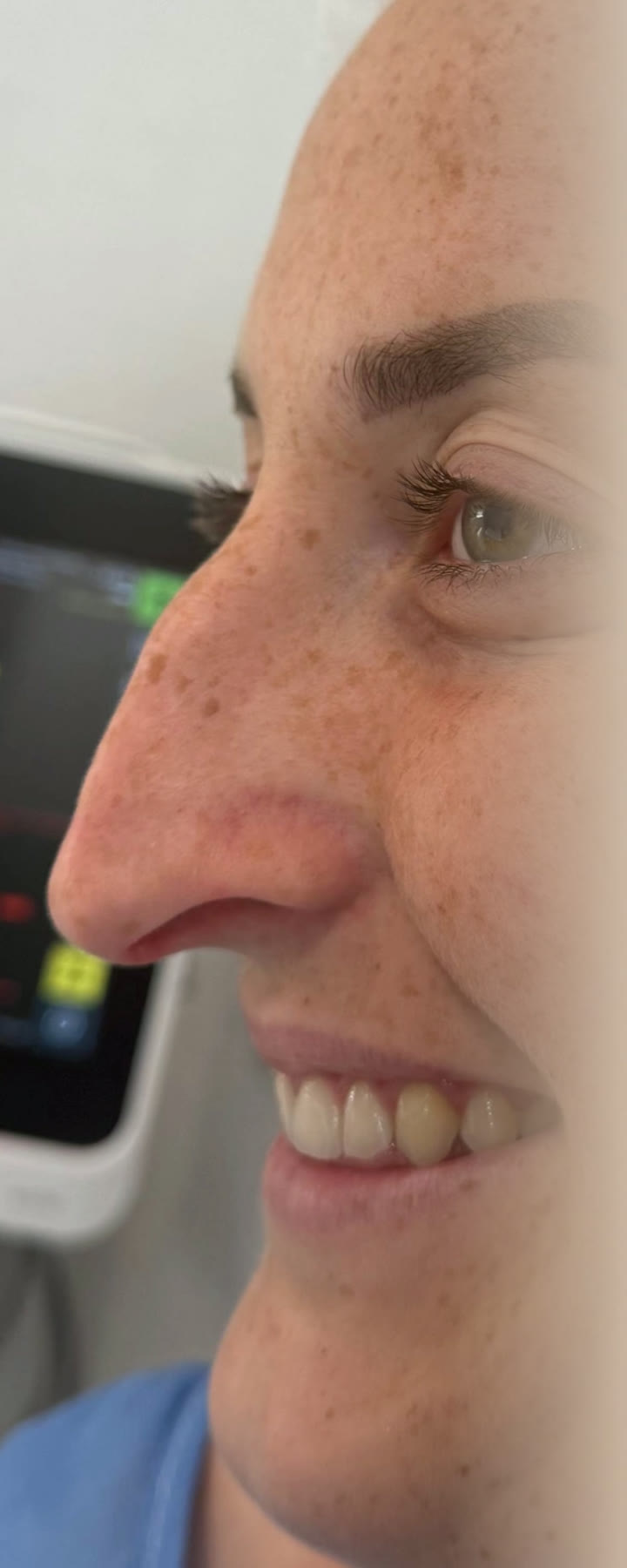
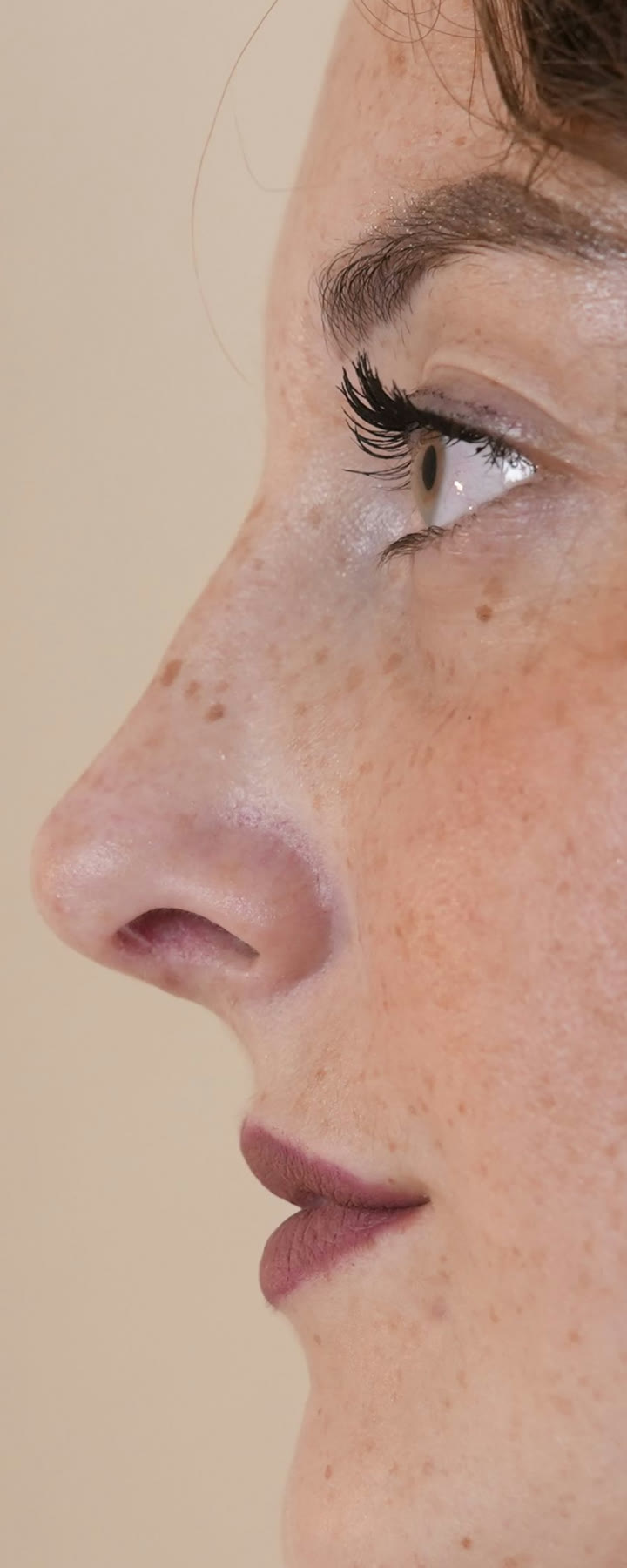
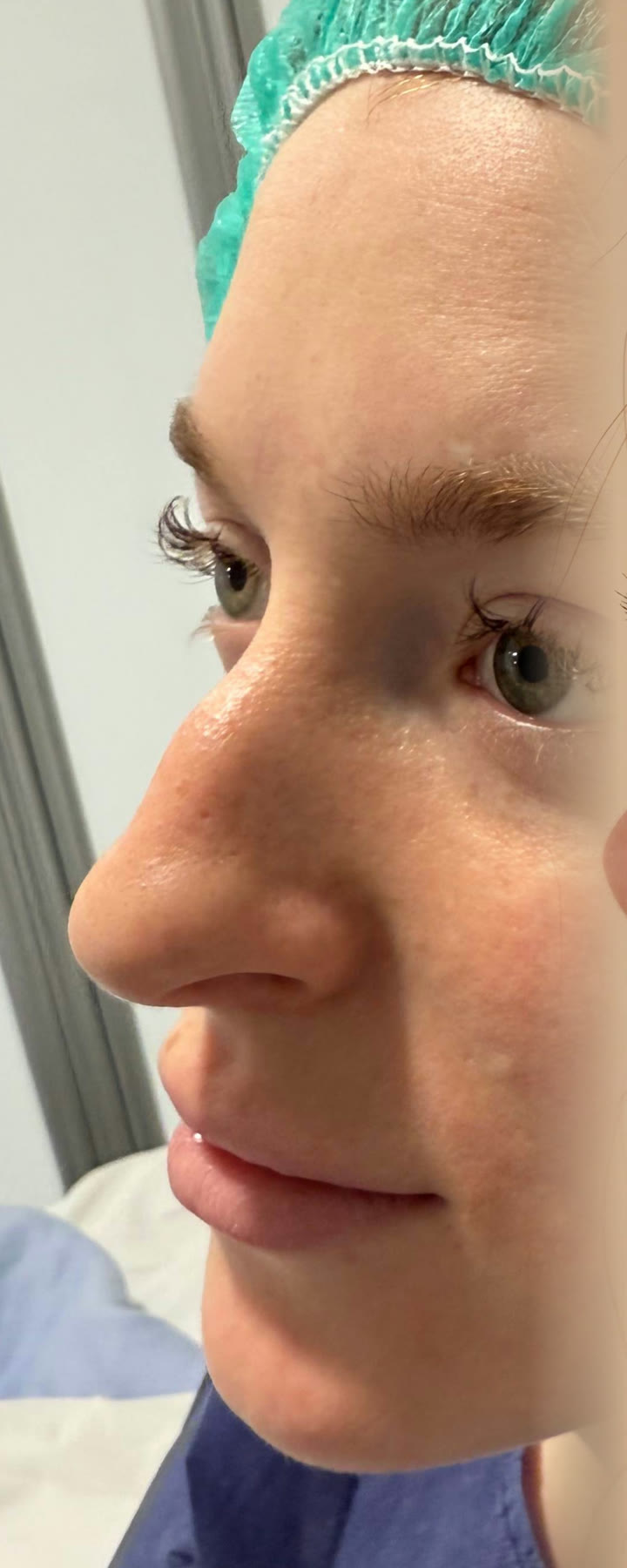
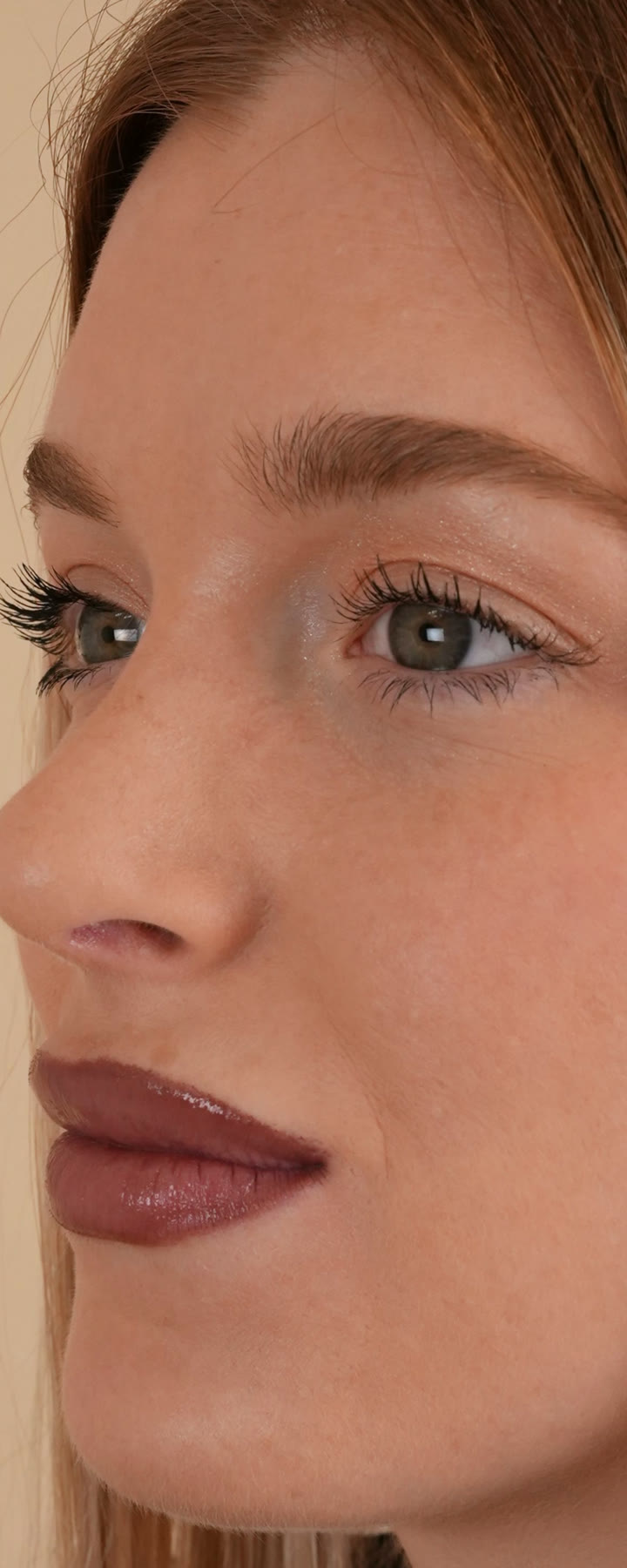
Before and after ultrasonic rhinoplasty

Who is a Good Candidate for Ultrasonic Rhinoplasty?

People who want to improve the appearance of their nose are excellent candidates for ultrasonic rhinoplasty. You will be a great candidate if you are in good general health, have stable psychological well-being, and have realistic expectations. Common characteristics of candidates for nose surgery include:

  • Deformities in the nasal dorsum
  • Excessively prominent nasal hump
  • Irregular nose width
  • Nasal septum asymmetry
  • Drooping, overly projected, or excessively rounded nasal tip
  • Functional issues related to breathing

Preoperative tests for rhinoplasty

Before undergoing ultrasonic rhinoplasty, follow these guidelines to prepare properly:

  • Medical Examination: This includes lab tests and a general health assessment to confirm your suitability for surgery.
  • Quit Smoking: Cease tobacco consumption at least a few weeks before surgery to improve healing.
  • Fasting and Diet: Follow fasting instructions and dietary restrictions to reduce anesthesia risks.

These steps ensure a safe surgery and a smooth recovery.

Postoperative care for ultrasonic rhinoplasty

The postoperative recovery from ultrasonic rhinoplasty is typically manageable with medication, though nasal packing during the first 48 hours may cause some discomfort.

  • Common Symptoms: Bruising, slight congestion, fatigue, tenderness, swelling, discharge, and possible bleeding.
  • Recovery: Lasts between 10 and 15 days, varying based on adherence to recovery guidelines.
  • Final Result: Becomes visible after 3 to 6 months, once the nasal tissues have fully adjusted.

Follow medical instructions carefully for optimal recovery.

Care
Enhances aestheticsImproves breathingBoosts self-esteemCorrects asymmetry

How much does ultrasonic rhinoplasty cost?

Ultrasonic rhinoplasty can be performed in various stages and will depend on the specifics of each case to determine an exact price. Costs generally start at 4000-6500€. You can use our price calculator to get an approximate cost.

Factors that influence the cost of ultrasonic rhinoplasty

  • Type of Technique: Ultrasonic rhinoplasty involves advanced technology, which can increase the cost compared to traditional techniques.
  • Materials or Grafts: If cartilage grafts or other materials are required, this can increase the price.
  • Procedure Duration: The longer the surgery takes, the higher the associated cost.
  • Specialized Equipment: The use of advanced ultrasonic equipment to reshape the nasal bones can affect the final price.
  • Number of Postoperative Sessions: The number of follow-up visits or sessions can also influence the total cost of the procedure.

How much does ultrasonic rhinoplasty cost?

Frequently asked questions about rhinoplasty

How should I sleep during the first nights after ultrasonic rhinoplasty?

It is recommended to sleep on your back during the first few days to avoid putting pressure on the nose. Keeping your head elevated is also advised to support optimal recovery.

When can I return to physical activity after ultrasonic rhinoplasty?

During the first week, it is crucial to rest. You should avoid intense physical activities, such as lifting heavy objects, for at least 15 days after the procedure to ensure proper healing.

Can I wear glasses after ultrasonic rhinoplasty?

It is advised to avoid wearing glasses until your surgeon gives you permission, as the pressure they place on the nose can be harmful during the early recovery phase.

What is the postoperative period like in terms of pain?

A sensation of nasal congestion is normal in the first few days. While the recovery is not usually painful, mild discomfort may occur. Blowing your nose should be avoided to reduce the risk of bleeding—and if necessary, it should be done gently.

What are the risks associated with ultrasonic rhinoplasty?

Risks may include:

  • Infection: As with any surgery, there is always a risk of infection if proper aftercare is not followed.
  • Bruising and hematomas: It is common to experience bruising around the nose and under the eyes.
  • Prolonged swelling: While ultrasonic technology reduces trauma, swelling may last longer in some patients.
  • Asymmetry: Results may not be perfectly symmetrical and could require additional adjustments.
  • Breathing difficulties: Temporary breathing issues may arise due to swelling after modifying nasal structures.
  • Scarring: Although the technique is less invasive, there is still a risk of scarring, especially with open approaches.
  • Tissue necrosis: Rarely, tissue damage may occur due to disrupted blood flow during the procedure.
Does ultrasonic rhinoplasty improve nasal function?

Yes. If you have breathing problems, it can be combined with a septoplasty to correct a deviated septum and enhance nasal function.

When will I see the final results?

Initial changes are visible within a few weeks, but the final result can take between 6 and 12 months as residual swelling gradually subsides.

Can ultrasonic rhinoplasty be combined with other procedures?

Yes. It’s common to combine it with procedures such as mentoplasty (chin augmentation) to enhance facial profile harmony.

Can I get a non-surgical rhinoplasty?

There are options such as hyaluronic acid rhinoplasty (non-surgical nose reshaping), but these are only suitable for minor corrections—such as smoothing a small bump or lifting the tip. They cannot modify bone structure or correct functional problems, so surgery remains the only way to achieve permanent results.

When is the nasal splint removed?

The splint is typically removed 5 to 7 days after surgery.

When can I wear glasses again after surgery?

It is generally recommended to avoid wearing glasses that rest on the nose for at least 4–6 weeks. If needed, lightweight glasses with forehead support can be used.

Can I choose the exact shape of my nose before surgery?

During the preoperative consultation, the surgeon evaluates your facial harmony and may use digital simulations to show a possible outcome. However, a balance between aesthetics and function should always be the goal.

Frequently asked questions about rhinoplasty

How we work

Your journey, step by step

01

First assessment

We study your case and listen to your goals to design a fully personalised plan.

02

A plan for you

We explain the technique, the expected result and the price with full transparency.

03

Safe procedure

An expert surgeon performs the procedure, always prioritising your safety.

04

Close follow-up

We support you throughout the recovery until you are fully healed.

4.9 / 5

Excellent · 10.000 reviews

Other treatments in facial surgery

No obligation

Book your appointment and take the first step

Book a personalised assessment with our team of surgeons. We answer all your questions and design a plan tailored to you, with full transparency.

WhatsApp