on Google
Facial Surgery · Bilbao
Ultrasonic rhinoplasty in Bilbao
People looking for an ultrasonic rhinoplasty in Bilbao tend to ask themselves two questions at once: whether the ultrasonic technique offers anything more than the traditional one, and who to turn to in the city. This page tries to answer both with facts you can check. Clínica EGOS has a plastic surgery clinic in Bilbao, at Gran Vía de Don Diego López de Haro, number 82, where you can ask for a first assessment of your nose.
Updated
Days--
Hours--
Min--

On this page
- What is ultrasonic rhinoplasty and which part of the nose does it treat?
- What Clínica EGOS patients in Bilbao say
- What does the most recent evidence say about the ultrasonic technique?
- Looks and breathing: what we ask of the nose
- Are you a candidate for an ultrasonic rhinoplasty in Bilbao? Age and timing
- Your first ultrasonic rhinoplasty consultation in Bilbao
- How an ultrasonic rhinoplasty in Bilbao is prepared
- The day of the operation: anaesthesia, duration and splint
- After an ultrasonic rhinoplasty in Bilbao: from the first night to the first year
- The Bilbao clinic: address and details
- How do you get to the Bilbao clinic?
- If you are coming from outside Bilbao
- Rain and the Bilbao climate with a freshly operated nose
- How can you check in Euskadi that a clinic is authorised?
- Quote for an ultrasonic rhinoplasty in Bilbao: what it includes
- Book your ultrasonic rhinoplasty in Bilbao
- Frequently asked questions
- Other cities where we hold ultrasonic rhinoplasty consultations
What is ultrasonic rhinoplasty and which part of the nose does it treat?
Ultrasonic rhinoplasty, also called piezoelectric rhinoplasty, is a rhinoplasty in which the bone cuts are made with a tip that vibrates at high frequency, instead of striking with a chisel and mallet. What changes is the tool used on the bone, not the purpose of the operation: to give the nose a different shape and, where appropriate, to help it breathe better. You will find the general explanation of the treatment on our ultrasonic rhinoplasty page.
Because it acts on bone, its territory is the bridge and the nasal bones themselves; the tip and the septum are operated on just as in any rhinoplasty. The technique is not suitable for everything and does not replace planning, and it is better to know that before you walk into the operating theatre than to find it out afterwards.
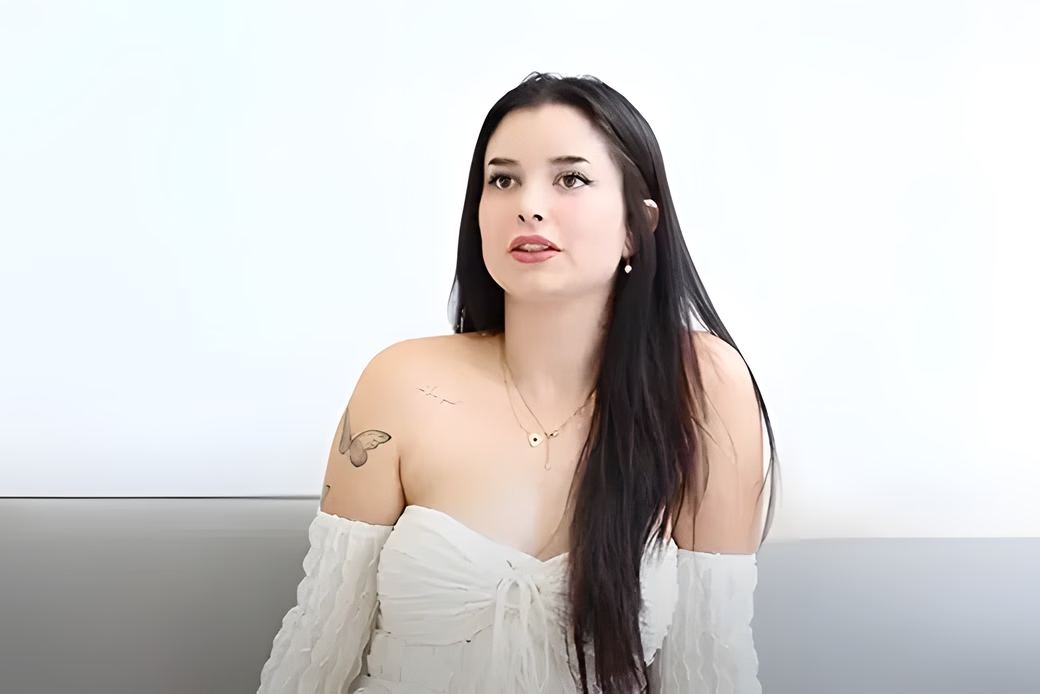
What Clínica EGOS patients in Bilbao say
Cases of well-known patients
What does the most recent evidence say about the ultrasonic technique?
In 2026, the journal Aesthetic Surgery Journal published a systematic review with meta-analysis that, according to its abstract, compares piezoelectric rhinoplasty with the conventional kind. It included 19 randomised trials with 905 patients, of whom 15 trials were pooled for the analysis. According to the authors, there was less swelling (oedema) than with the conventional technique, with significant differences on the second and seventh days, and bruising (ecchymosis) was lower on the first, second and seventh. Pain on the second day was also lower.
There is a limit that the authors themselves point out: it is not clear whether the technique shortens or lengthens the operation. The abstract talks about the first few days and says nothing about how the nose looks in the long term.
How to read a study of this kind
A meta-analysis brings together the results of several small trials to see whether, taken as a whole, they point in the same direction. It is a powerful tool, but it speaks in group averages: the fact that swelling is lower "on average" does not mean that yours will be, or by how much. It is also worth looking at the timeline: the differences this review found belong to the first week, and none of them says anything about the shape your nose will have a year from now.
So, when someone presents the ultrasonic technique to you as a decisive advantage, ask them to show you what it is based on. A serious clinic has no need to exaggerate: it is enough for it to explain which part of your nose is bone, which cuts would be made with ultrasound, and what reasonable difference you can expect in the first few days.
Looks and breathing: what we ask of the nose
The ASPS states on its website (consulted in October 2026) an idea we share: the nose has to end up functional, which means you have to be able to breathe well. That is why, in the consultation, we look at the profile and also at the flow of air. If you have already had nose surgery, bring the operative report and the earlier photographs.
Among the frequent causes of poor breathing, the ASPS cites a deviated septum, and putting it right involves aligning the nasal structure. The SECPRE calls that combination, looks and function in a single operation, rhinoseptoplasty. On the septum on its own, read our article on nasal septum reconstruction.
If you breathe worse on one side, if you snore, or if your nose feels blocked when you exercise, say so as well, even if what brings you in is the shape of your nose. Appearance and breathing belong in the same plan: a profile you like and a nose that does not let the air through are not a good result.
Are you a candidate for an ultrasonic rhinoplasty in Bilbao? Age and timing
The ASPS indicates that, among other conditions, facial growth must have finished, in addition to being in good health and not smoking. It adds two ideas that matter as much as the physical ones: having realistic goals, and having surgery for yourself, not to satisfy what someone else expects of you or to look like an ideal.
The SECPRE puts it in different words and agrees: it seeks an improvement, not absolute perfection. And it reminds you that the operation can improve your appearance and your self-confidence, but it does not make people treat you differently or make you look like someone else.
A nose operation means days of visible swelling, with the nose bandaged or in a splint, and it is worth choosing a time when you can rest and have no important appointments or trips. If you are thinking of your ultrasonic rhinoplasty in Bilbao for a specific date, because of a wedding, a holiday or a change of job, mention it at the consultation: it helps to see whether the timetable is realistic.
Your first ultrasonic rhinoplasty consultation in Bilbao
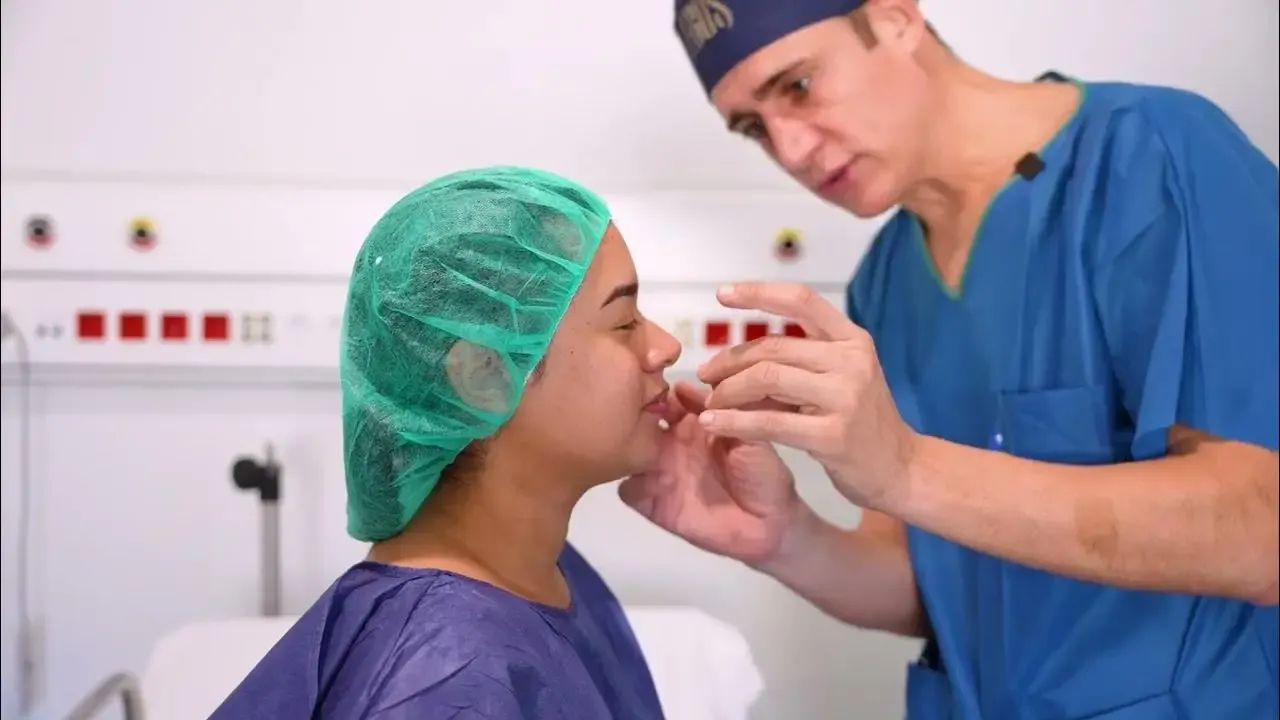
The first visit is for listening and for examining. The surgeon asks what bothers you and what you would like to change, reviews your health, your medicines and your previous operations, examines the nose from several angles, and studies bone, cartilage, skin and airflow separately. It is usual for photographs to be taken for your medical record.
If you bring photos of noses you like, all the better. But many images on the internet are retouched, and even generated by artificial intelligence: the ASPS has an article on how inspiration photos may not be real. What helps is talking about what you want to achieve, not copying somebody else's nose.
Write down before you go: how much of your nose is bone and how much is cartilage; which cuts would be made with ultrasound and which would not; whether in your case you will notice anything different because it is used; and what the quote includes.
The ASPS adds that you will also be asked about your illnesses, your allergies, your use of vitamins, supplements, alcohol or tobacco, and the treatments you have received. It is worth answering frankly: it helps to plan the operation properly, and nobody is going to judge you for what you say.
The consultation does not commit you to anything either. You can leave with the explanations you have been given, compare things calmly and decide at home, without hurry and without pressure.
How an ultrasonic rhinoplasty in Bilbao is prepared
Before the date, the blood tests and other examinations that correspond to your case are requested, and any medication that promotes bleeding is adjusted. The ASPS indicates that some medicines are adjusted or stopped and that anti-inflammatories and herbal supplements are avoided, because they can promote bleeding. MedlinePlus, the service of the United States National Library of Medicine, adds that you should stop smoking at least two or three weeks before surgery. Your surgeon will give you the exact list, in writing.
Law 41/2002 requires written consent for any operation, and you are given the document before the date so that you can read it calmly.
What it is worth getting organised
The ASPS recommends that someone drives you there and back on the day of the operation and stays with you, at the very least, that first night. Think also about everyday things: pillows to sleep with your head raised, disposable tissues, food that is easy to prepare, and something to keep you entertained for the first few days. If you work with the public, give notice in good time and work out how many days you need.
Where it is done
According to the SECPRE, there is no such thing as a rhinoplasty outside an operating theatre: the operation takes place in the theatre of a clinic or of a hospital. The ASPS puts it another way: it can be done in an accredited facility, a licensed ambulatory surgical centre or a hospital. In both cases the same thing matters, that the centre is authorised, and further down we explain how to check that in Euskadi.
The day of the operation: anaesthesia, duration and splint
The SECPRE notes that general anaesthesia is the usual choice and that, in selected cases, local anaesthesia with sedation may be enough; a nose is generally operated on in one or two hours, and a complicated case may take longer. At EGOS we operate under general anaesthesia. According to the ASPS description, the surgeon lifts the skin, reshapes bone and cartilage, straightens the septum if necessary and places the skin back over the new structure before closing the incisions.
At the end, the nose is protected. The SECPRE describes a plaster splint on the outside and packing inside the nostrils to prevent bleeding and stabilise the septum. The ASPS speaks of an external splint or dressing and of internal packing that may go with it. The timings vary according to the source: the SECPRE puts the removal of the packing at the following day (two or three days if there was a septoplasty), and MedlinePlus sets it at between three and five days. The person who decides is your surgeon, who will tell you when and where it is removed.
The first 24 hours are the most uncomfortable, and the first night is spent lying down, with your head raised.
After an ultrasonic rhinoplasty in Bilbao: from the first night to the first year
The first three days
According to the SECPRE, the swelling and the bruising around the eyes build up and peak between the second and the third day, and cold compresses help the face feel better. It is common to look worse than you feel, and also for your mood to dip a little: the SECPRE describes this as a normal feeling that improves day by day.
From the first to the third week
For the SECPRE, the plaster is removed after seven days or, at most, fourteen, and most of the bruises and swelling disappear in about two weeks. Some people go back to work or to their studies after a week or so. Do not blow your nose hard during that time. For strenuous exercise, such as running or swimming, the SECPRE asks you to wait two or three weeks.
From the first to the third month
The swelling goes down progressively. It is a slow, gradual process, and it is best not to judge the nose too soon.
From the third month to the first year
The definitive result arrives at around a year, according to the SECPRE. When you go back to work, to wearing glasses and to sport is something your surgeon sets in your case, and he will schedule the check-ups to see how things are developing.
The Bilbao clinic: address and details
Clínica EGOS Bilbao is at Gran Vía de Don Diego López de Haro, 82 (48011 Bilbao), in the Indautxu neighbourhood, within the Abando district. Our clinic is entered in the Register of Healthcare Centres, Services and Establishments under number 48/016828. To book an appointment you can use the general telephone number, +34 932 71 80 69, or the email address info@clinicaegos.com.
Before you decide anything, we tell you in writing which surgeon would see you, with his or her registration number, and in which centre the operation would take place, with its health registration number. If you are coming from outside Bizkaia, when you book we tell you how many visits there will be and which of them can be done remotely.
How do you get to the Bilbao clinic?
Gran Vía is the great axis of Bilbao's Ensanche, and number 82 is close to the Euskalduna tram stop. In a straight line, there are bus stops on Gran Vía itself about forty metres away, and the nearest Bizkaibus stop is about eighty-five.
If you prefer the tram, the Euskalduna stop, on the Euskotren Tranbia, is about 120 metres away, and Sabino Arana is about 280. By metro, San Mamés station is about 410 metres away and Indautxu about 470. Cercanías Bilbao also stops at San Mamés, about 550 metres away. If you arrive by long-distance coach, the Bilbao Intermodal bus station (the former Termibus) is about 640 metres away.
For those who come by car, there is a car park called Euskalduna about 180 metres away and another in Plaza de Indautxu, about 580. Check their rates and opening hours before you go. The distances are in a straight line and approximate; with a freshly operated nose, allow for a somewhat longer walk.
If you are coming from outside Bilbao
An ultrasonic rhinoplasty in Bilbao is not settled in a single appointment: there is the assessment, the plan, the preparation, the operation and the follow-up visits. The visits where the nose has to be looked at and felt, such as the one for the splint, cannot be done by video call, and it is worth bearing that in mind when you organise the trip.
If you are coming from Bizkaia
From Barakaldo, the clinic is about seven kilometres away by road; from Santurtzi, about fourteen; from Getxo, about sixteen; and from Durango, Gernika or Bermeo, between thirty-five and thirty-seven. Bilbao airport is about seven and a half kilometres away. At those distances, going home every night is a reasonable option if you have someone to drive; you should not do it yourself in the first few days.
If you are coming from Álava, Gipuzkoa, Cantabria or Burgos
Vitoria-Gasteiz is about 65 kilometres away by road; Eibar, about 48; and San Sebastián, about 102. From Cantabria, Castro Urdiales is about 32 kilometres away, Laredo about 54 and Santander about 100. From Burgos it is about 159 kilometres, and Miranda de Ebro is halfway, at about 82. From Logroño or Pamplona, the journeys come to around 137 and 157 kilometres. By car, from Vitoria or Eibar it is under an hour; from San Sebastián, Santander, Logroño, Burgos or Pamplona, between about 75 minutes and almost two hours, not counting traffic.
With those distances, and with the ASPS recommendation not to spend the first night alone, many people prefer to spend it near the clinic, with a companion, rather than drive home with a swollen face. It is not a rule: it is something you decide with the surgeon.
The splint week
According to the SECPRE, the plaster is removed after seven days or, at most, fourteen. If you live far away, there are two options: staying nearby until the check-up, or going home and coming back. Talk to the team before buying tickets and note down the date and the place of that check-up, so that whoever is accompanying you can plan. We cover the splint and its removal in detail in our post on the splint after rhinoplasty.
What to ask for in writing before organising the trip
Before buying tickets or booking accommodation, make a list and ask for it to be confirmed in writing: the day and time of the operation, the centre, when and where the packing and the splint are removed, in-person check-ups, a contact telephone number for when you are already at home, and the tests or reports you need to bring.
Rain and the Bilbao climate with a freshly operated nose
The AEMET normal climate series (1981-2010) for the Bilbao airport observatory indicate that it rains about 124 days a year, with 1,134 millimetres of annual precipitation and an average relative humidity of 70%. Winter is mild, with an average maximum of 13.4 degrees in January, and summer is gentle, with 25.4 degrees in July. There are 1,610 hours of sunshine a year, far fewer in the winter months: 85 in January and 78 in December.
That changes some practical details. An umbrella or a hood helps you keep your face protected, and it is worth taking it slowly on wet ground: with a swollen nose you should not risk a fall or a knock. Since the SECPRE advises avoiding the sun for eight weeks, in Bilbao that precaution weighs less in winter, but it does not go away in spring and summer.
If you can choose the date, the months with the most light and the least rain are the ones that most invite you outdoors. But they are also the ones that most tempt you to walk around unprotected: decide with your surgeon and with your diary.
How can you check in Euskadi that a clinic is authorised?
According to the Basque Government, on its page about the authorisation of healthcare centres (consulted in October 2026), every healthcare centre, service or establishment needs prior administrative authorisation from the Department of Health. There are three types of authorisation: installation, substantial modifications and operation. Those that hold it are entered in the Register of Healthcare Centres, Services and Establishments of Euskadi, which is public. There is also the Ministry of Health's general register, the REGCESS.
The same page notes that since 2022 there has been a Basque Register of Health Professionals, which the owners of centres must fill in with the details of the professionals who work in them. Article 29.1 of the General Health Law requires that prior authorisation, and Royal Decree 1277/2003 sets the common classification of centres and of their care units; among them are plastic and reconstructive surgery and cosmetic surgery.
The health registration number is the piece of information that lets you check it in that register, and the surgeon's registration is checked in the public search of the Organización Médica Colegial (the Spanish medical association). Each doctor registers where he or she mainly practises, which may not be in Bizkaia.
Quote for an ultrasonic rhinoplasty in Bilbao: what it includes
The question about price is the first one people ask, and the answer depends on the case: treating only the bone is not the same as adding the septum, nor is a first operation the same as a revision. That is why the figure comes after the consultation. A clear quote lists the fees, the operating theatre, the anaesthesia, the materials, and the dressings and follow-up visits. We give it to you in writing, itemised.
It is worth comparing only quotes that cover the same things: the same type of surgery, equivalent anaesthesia and follow-up visits included.
Book your ultrasonic rhinoplasty in Bilbao
If you are considering an ultrasonic rhinoplasty in Bilbao, start with an assessment: the surgeon reviews your case and tells you whether the ultrasonic technique makes sense in it. You can book by telephone or through the web form. The Bilbao clinic scores 5.0 out of 5 on Google, from 26 reviews, according to a reading taken on 14 October 2026.
Frequently asked questions
Where is the EGOS clinic in Bilbao?
At Gran Vía de Don Diego López de Haro, 82, in the Indautxu neighbourhood. You can book on +34 932 71 80 69.
How do I get to the Bilbao clinic by public transport?
The Euskalduna tram stop is about 120 metres away and Sabino Arana about 280; San Mamés metro is about 410, and Indautxu about 470. The distances are in a straight line.
How much does an ultrasonic rhinoplasty cost in Bilbao?
It depends on the case: on whether only the bone is treated or the septum as well, on the anaesthesia, and on whether it is a first operation or a revision. It is provided in writing after the consultation.
What does the ultrasonic technique offer according to the most recent studies?
A review with meta-analysis published in 2026 found less swelling, less bruising and less pain in the first few days than with the conventional technique, and drew no conclusion about the length of the operation.
How do I know a clinic in Bilbao is authorised?
By asking for its health registration number and checking it in the Register of Healthcare Centres, Services and Establishments of Euskadi, which is public.
Can the first consultation be done remotely?
We offer virtual care: when you book, we tell you whether the first assessment can be done that way.
I live outside Bizkaia: can I have the operation and go straight home?
It depends on the distance and on how you feel. The ASPS recommends not being alone on the first night; many people spend it near the clinic, with a companion. It is best to talk to the team before buying your tickets.
How long do I wear the splint if I live far away?
According to the SECPRE, between seven and fourteen days. That check-up requires looking at and feeling the nose, so it is best to have it in person: decide with the surgeon whether you stay nearby or go back home.
When can I see the final result of a rhinoplasty?
The initial swelling goes down within a few weeks, but the nose does not finish refining its shape until a year has passed.
Is there a minimum age for nose surgery?
According to the ASPS, facial growth must have finished; you also need to be in good health and not smoke.
Is breathing taken into account?
Yes. The nose has to end up functional, so at the consultation we look at the profile and also at the flow of air. If you have already had surgery, bring the operative report and the earlier photographs.
Can the septum be corrected in the same operation?
Yes. The ASPS says that a deviated septum can be aligned during the same surgery to improve the flow of air, and the SECPRE uses the term rhinoseptoplasty for that combination. The surgeon assesses it when examining the nose.
Does it rain a lot in Bilbao, and does it affect recovery?
According to AEMET, it rains about 124 days a year. Rain does not change recovery, but it is worth carrying an umbrella or wearing a hood, avoiding wet ground, and not exposing the nose to knocks or direct sun during the weeks your surgeon indicates.
Other cities where we hold ultrasonic rhinoplasty consultations
If another clinic is closer to you, see Rhinoplasty in Alicante, Rhinoplasty in Barcelona, Ultrasonic rhinoplasty in Madrid and Rhinoplasty in Zaragoza.
Read more:
Sources for this page
In October 2026 we consulted the 2026 review with meta-analysis published in Aesthetic Surgery Journal on piezoelectric rhinoplasty, the ASPS pages on rhinoplasty (what it is, candidates, consultation, preparation, procedure, recovery, results and cost), the SECPRE page on nose surgery, the MedlinePlus entry on rhinoplasty, the Basque Government page on the authorisation of healthcare centres, the normal climate values from AEMET for Bilbao airport, Royal Decree 1277/2003 and Law 41/2002 in the Spanish Official State Gazette (BOE).
Content reviewed by Dr. Santiago Elvira i Barberà, plastic surgeon (registration no. 49756) · October 2026
Informative content; it does not replace a consultation with a healthcare professional. The results of any procedure depend on each patient and are assessed individually. Clínica EGOS.
Where we treat you
Black Days · Limited places
Book your BLACK price
Up to 40% off surgery and 20% off aesthetic medicine throughout November. Book your free first consultation before places run out.