Body Surgery
Abdominoplasty: what it corrects, what types there are and what recovery is like
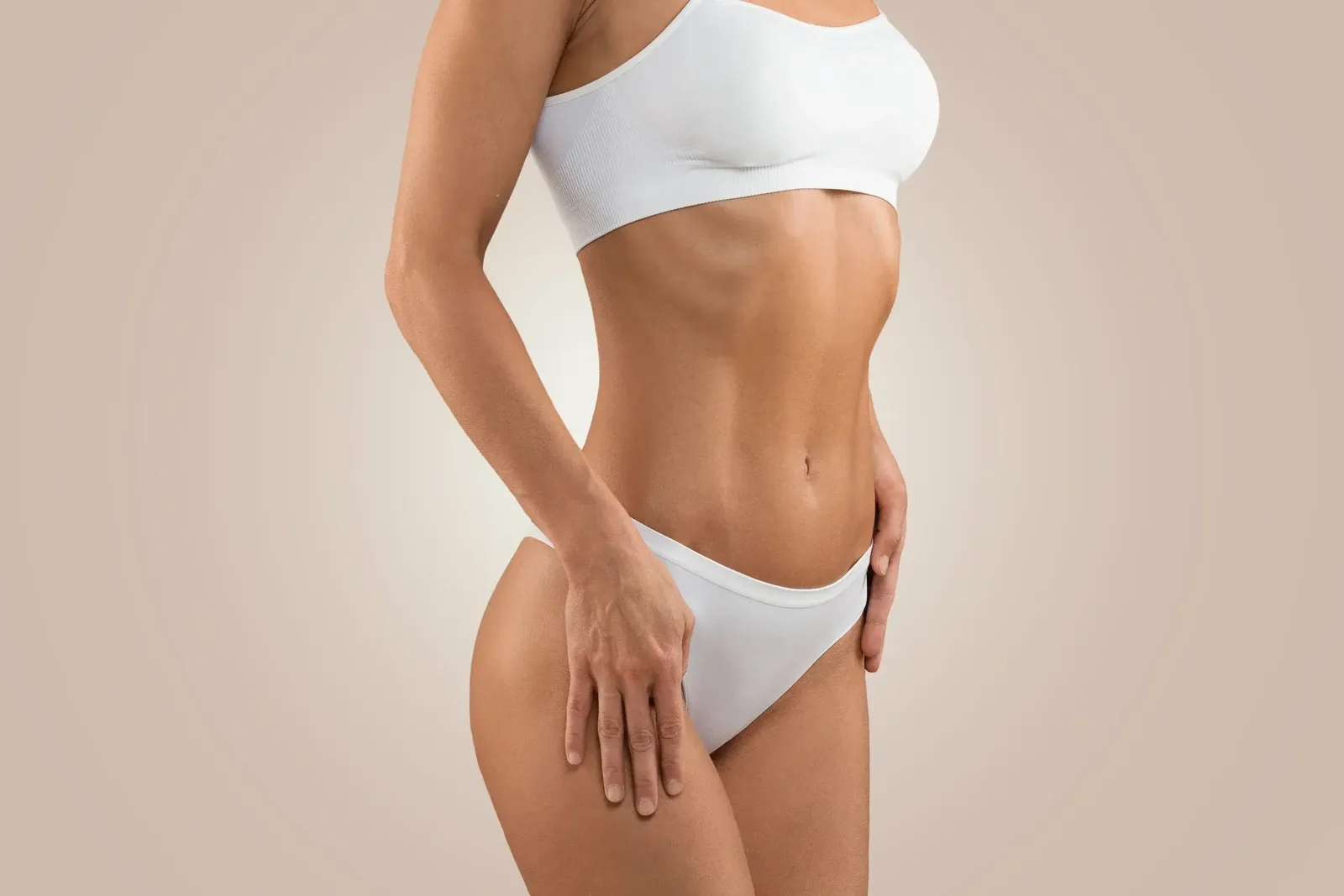
Redefine your abdomen by removing excess skin and tightening muscles for a flat, firm belly.
6295€From 5540€
Procedure time
3 hours
Anaesthesia
General or epidural
Post-operative rest
2 days
Recovery
3-4 weeks
Brand
We have our own medical team
On this page
- What does an abdominoplasty correct?
- Abdominoplasty, liposuction or both?
- Types of abdominoplasty: mini and full
- Who is an abdominoplasty considered for?
- Diastasis, navel and hernia: three things checked before surgery
- The first consultation and preparation
- The operation, step by step
- Abdominoplasty recovery: Clínica EGOS timescales
- Results: when you see them and what makes them last
- Is it covered by Spain's Social Security?
- What does an abdominoplasty quote include and what does the price depend on?
- Who operates on you?
Abdominoplasty involves removing excess abdominal skin and fat and, where needed, bringing back together the abdominal wall muscles that have separated. It is also widely known as a 'tummy tuck'. At Clínica EGOS we explain what it corrects and what it does not, how the mini and the full versions differ, who it is considered for and what the operation and recovery involve, so that your first consultation helps you decide without rushing.
To begin with, two caveats: it is not a weight-loss treatment, and it leaves a scar that fades over the months but does not disappear. If you are looking for information about your city, there are guides to abdominoplasty in Barcelona, abdominoplasty in Madrid and abdominoplasty in Málaga.
What does an abdominoplasty correct?
The abdomen changes through three different layers, and the operation can act on each of them. The first is the skin, when there is too much of it and it hangs. The second is fat, when it builds up in the middle and lower area. The third is the muscle wall: if the rectus muscles have separated or slackened, the belly stays rounded even if you have lost weight. According to the website of the ASPS, which brings together plastic surgeons in the US, common causes include age, heredity, pregnancies, previous surgery and sudden changes in weight, so it can also happen to someone of normal weight.
SECPRE, which brings together Spanish plastic surgeons, sums up the aim as a flatter abdomen and a narrower waist. It does not replace diet or exercise, nor does it erase stretch marks: the ASPS makes clear that only those located on the skin that is removed improve or disappear.
Abdominoplasty, liposuction or both?
Almost everyone asks this, and the answer depends mainly on the skin. Liposuction removes fat, but it does not remove skin or reposition muscles. If the skin keeps its elasticity and what you have is a localised build-up, SECPRE acknowledges that some cases can be resolved with abdominal liposuction alone; if what is in excess is skin, the ASPS points out that skin retracts up to a point and that, when there is too much, it has to be removed.
We explain the suction technique on the VASER liposuction page and the area on the abdominal liposuction page.
Types of abdominoplasty: mini and full
Talking about 'the abdominoplasty' is convenient, but there are several procedures behind it. The surgeon chooses one or the other depending on where the excess skin is and how far the muscles have separated.
Mini abdominoplasty
It is reserved for people whose problem lies below the navel. The incision is much shorter, also sits above the pubis and does not go around the navel, which sometimes moves down slightly as the skin is stretched, according to SECPRE. That source puts it at between one and two hours in theatre.
Full abdominoplasty
It treats the whole abdomen: the cut runs from hip to hip, above the pubis, the muscles are repaired and the navel is repositioned.
Who is an abdominoplasty considered for?
The ASPS describes the person who tends to get a good result as someone healthy, with a stable weight, who does not smoke and who has realistic expectations. SECPRE describes women and men with a fairly well-proportioned figure who are bothered by an abdomen with fat or skin that resists diet and exercise, and highlights cases after several pregnancies. The NHS, the UK's public health service, generally reserves it for people with a healthy body mass index.
When it is better to wait
There are three situations in which the surgeon usually advises postponing it, and one detail worth mentioning from the start.
If you plan to have more children. During the operation the vertical abdominal muscles are tightened and a pregnancy can slacken them again, according to SECPRE; the ASPS gives the same advice. If your abdomen changed after a pregnancy, see also how to get it back after having a baby.
If you need to lose a lot of weight. The ASPS explains that, after major weight loss, many surgeons wait until the weight has been stable for three to six months; we discuss this in what to do about loose skin after weight loss.
If you smoke. The ASPS asks patients to stop smoking and SECPRE warns that it delays healing. At EGOS we recommend not smoking for four to six weeks before the operation and for the same time afterwards; more in why it is worth stopping smoking before surgery.
If you already have scars on your abdomen, such as one from a caesarean section, mention it at the consultation: according to SECPRE and the ASPS, they can change where the new one ends up or limit the result.
Diastasis, navel and hernia: three things checked before surgery
Diastasis recti is the separation of the two 'six-pack' muscles when the tissue that joins them stretches and thins. It is mainly associated with pregnancy, but according to the ASPS it can also appear in men and women as a result of weight changes, abdominal surgery and poorly performed exercises. According to plastic surgeon Tomer Avraham, interviewed by the ASPS in September 2025, it is usually repaired as part of the abdominoplasty, and he knows of no technique that avoids surgery and corrects it effectively.
The navel is handled by the surgeon. In the full version an incision is made around it to separate it from the surrounding tissues, according to SECPRE, and at the end, according to the ASPS, a new opening is made in the skin, the navel is brought out through it and secured. If you notice a lump next to your navel that is uncomfortable when you cough or strain, mention it at the consultation: it may be an umbilical hernia, which the NHS links in adults to obesity and multiple pregnancies, and it should be assessed before setting the date.
The first consultation and preparation
The ASPS describes a first visit in which the surgeon goes over what you want to change, what illnesses or allergies you have, what medication and supplements you take, how much you drink or smoke and what operations you have had; they then assess your state of health, take photographs and recommend a course of action. Bring a note of the dates of your pregnancies or caesareans, your previous surgery and your weight over recent months.
Before the date, you may be asked to have some tests or a medical check-up, to change some medication, to stop supplements that increase bleeding and not to smoke. At EGOS we also recommend washing your body with a germicidal soap before the operation and reviewing with your doctor, rather than stopping them on your own, any medicines that affect blood clotting. One last practical tip from the ASPS: arrange well in advance for someone to take you home and stay with you that first night.
The operation, step by step
It is an operation performed in theatre; at EGOS it takes about three hours, under general or epidural anaesthesia as the anaesthetist decides. The surgeon makes a horizontal cut above the pubis, longer or shorter depending on how much skin is in excess, joins the separated muscles, removes the excess skin and repositions the navel. Sometimes a thin tube is left in place for a few days to drain fluid.
Abdominoplasty recovery: Clínica EGOS timescales
After the operation there are two days of rest, and for the first few days the abdomen is swollen and uncomfortable when you sit up. The compression garment is worn for four to eight weeks, recovery takes around three or four, and sport and physical exertion wait three months. We give you the details of stitches, dressings and the day you can drive again in writing. The scar sits above the pubis, from side to side, and around the navel if it was repositioned; it fades over the months but does not disappear.
Results: when you see them and what makes them last
The ASPS states that the results are long-lasting, but that a large swing in weight can spoil them, and SECPRE links them to a balanced diet and regular exercise. That is why it is worth talking to the surgeon about your plans: if you are going to lose a lot of weight or have children, it may be worth waiting.
Is it covered by Spain's Social Security?
Not for cosmetic purposes. According to SECPRE, abdominoplasty falls outside Social Security cover unless the condition is disabling, and Royal Decree 1030/2006 excludes from the public system's portfolio of services, in its Annex III (section 5), cosmetic operations that do not result from an accident, an illness or a congenital malformation. If the excess skin is causing you a health problem, it is a doctor in the public system who assesses it.
What does an abdominoplasty quote include and what does the price depend on?
The price for your case is set after the assessment, because it changes depending on whether it is mini or full, whether liposuction or another operation is added, the anaesthesia and the days of rest. Once we have seen you, the quote is given in writing.
Who operates on you?
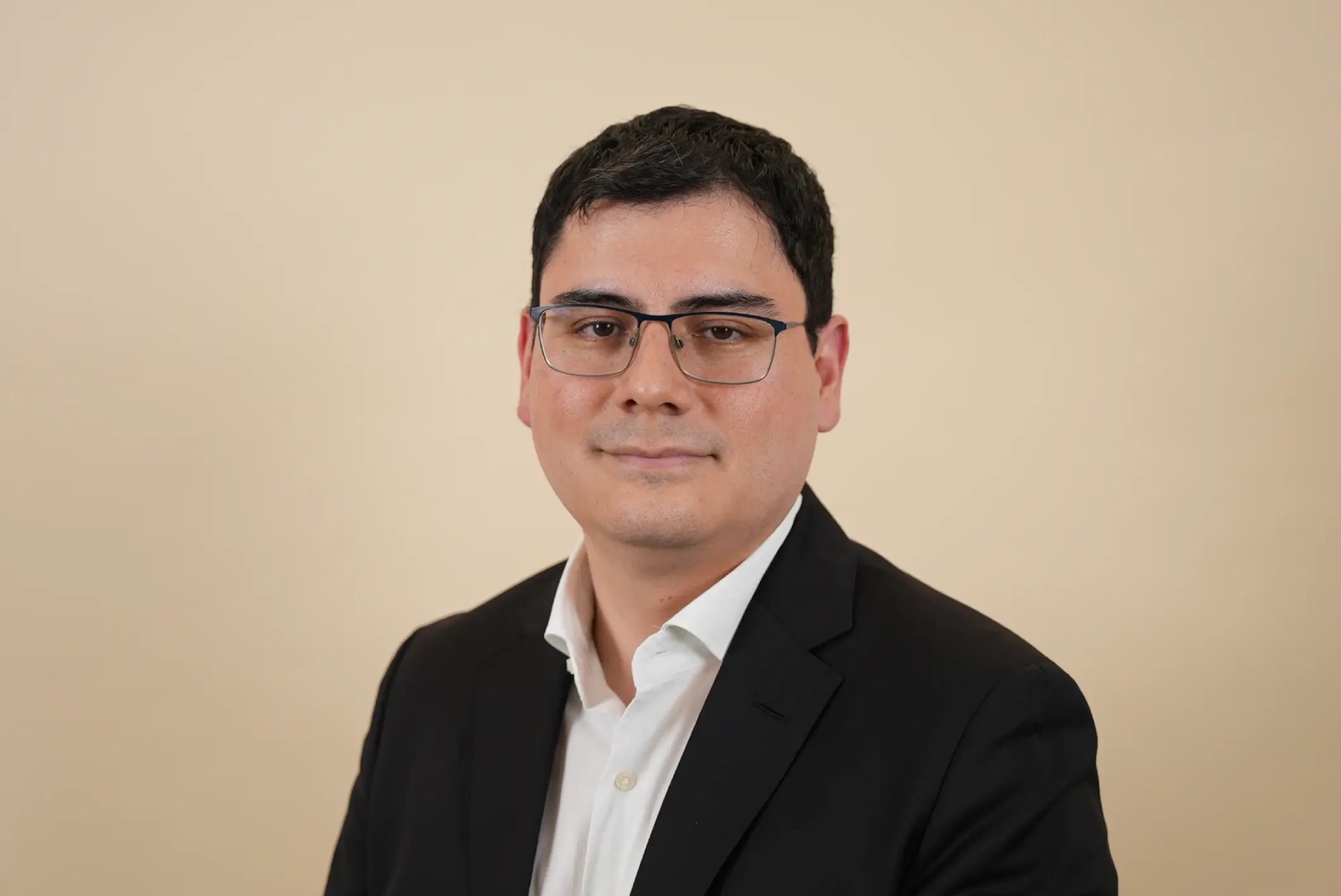
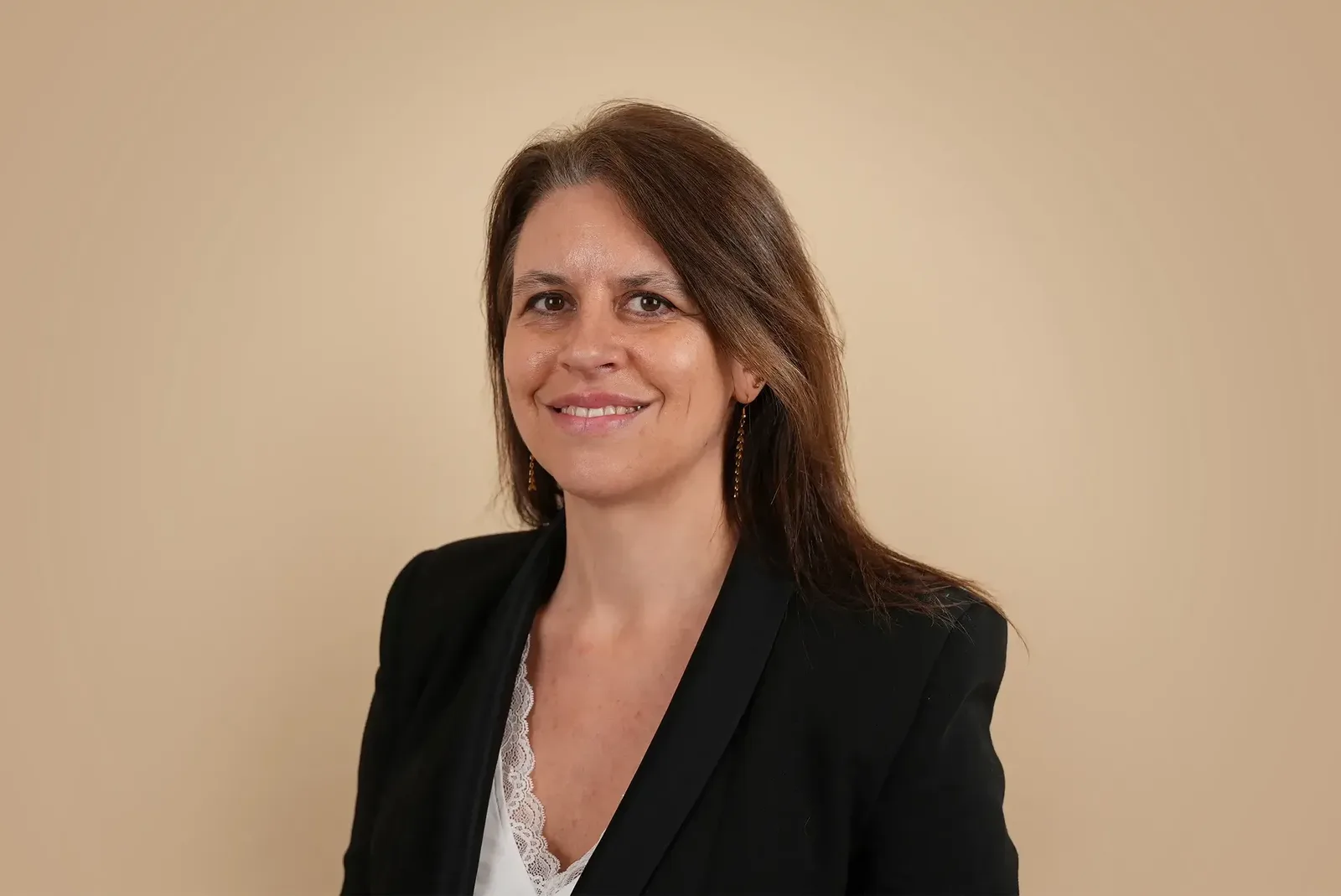
The EGOS plastic surgery team is made up of registered surgeons. They include Dr Santiago Elvira i Barberà (registration no. 49756) and Dr Tiago Gomes Rodrígues (registration no. 44844); one of them examines you at the first consultation and proposes the technique that suits your abdomen. Before you book a date, ask to be told in writing who will operate on you, with their medical registration number, and at which centre.

How we work
Your journey, step by step
First assessment
We study your case and listen to your goals to design a fully personalised plan.
A plan for you
We explain the technique, the expected result and the price with full transparency.
Safe procedure
An expert surgeon performs the procedure, always prioritising your safety.
Close follow-up
We support you throughout the recovery until you are fully healed.
Sources for this page
To write this guide we read, in October 2026, the ASPS sections on abdominoplasty, its articles on diastasis recti, panniculectomy and surgery after weight loss, the SECPRE information on abdominal surgery, the NHS pages on abdominoplasty and umbilical hernia, and Royal Decree 1030/2006 in the BOE.
Content reviewed by Dr Santiago Elvira i Barberà, plastic surgeon, registration no. 49756 · October 2026
Book your abdominoplasty assessment
If you are thinking about an abdominoplasty, first book an assessment appointment with one of our surgeons, who will examine your abdomen and tell you whether it suits you, which version it would be and whether it is a good time. You can book an appointment by calling +34 932 71 80 69 or with the form on this page.
Informative text about abdominoplasty. It is not a diagnosis and does not replace the assessment of a healthcare professional, and the result varies from one person to another. Clínica EGOS.
Reviews
The experience of those who have already taken the step.


Aura app
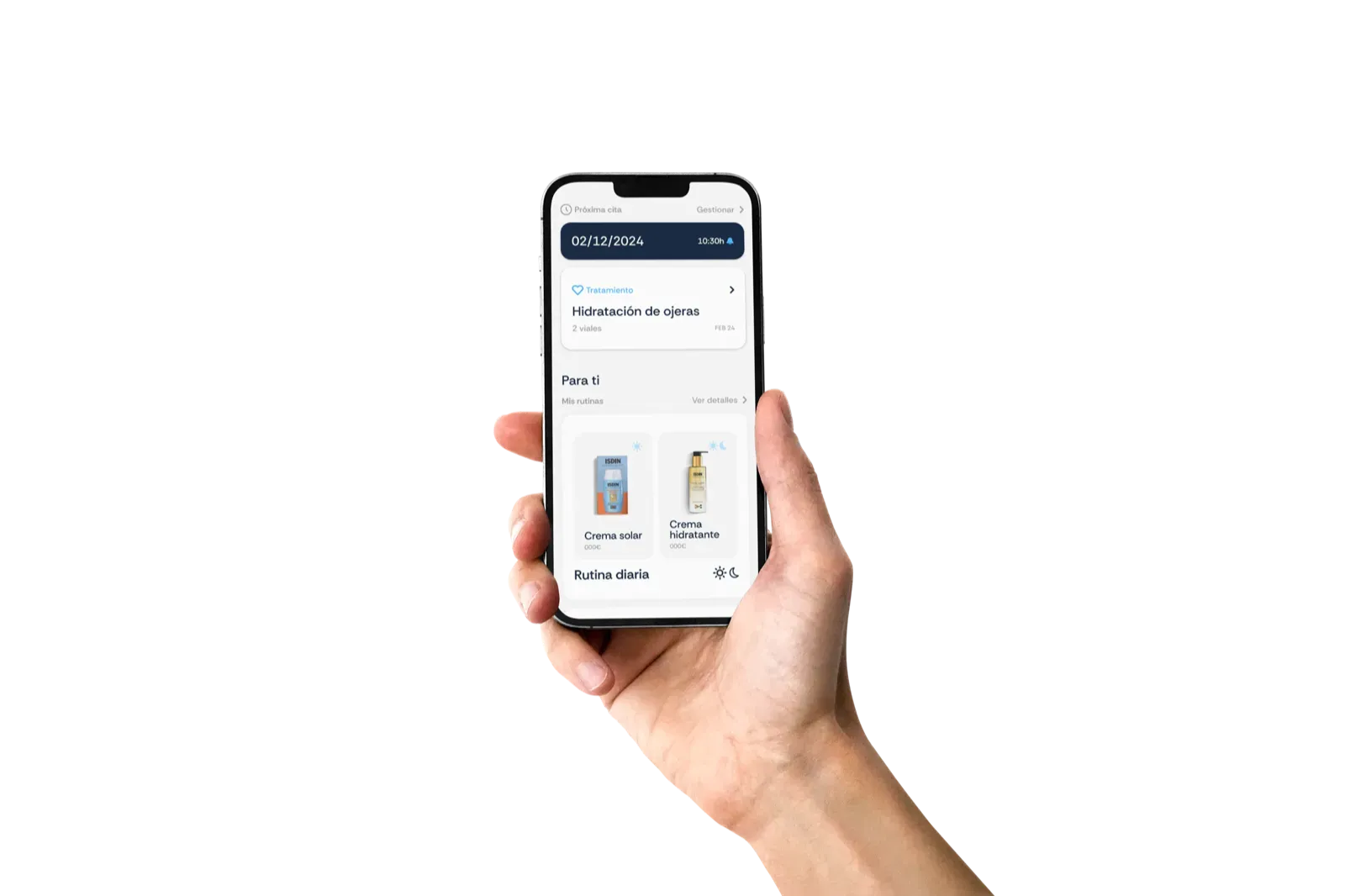
We care for you in the moments you need it most.
Medical team
Our surgical team
Board-certified plastic surgeons who perform this and our other procedures at Clínica EGOS.
Body Surgery
Related treatments for abdominoplasty
Body plastic surgery reshapes and improves different areas of the body to achieve a more aesthetic, satisfying appearance.
on Google Reviews