Skip to content

Breast Surgery

Gynecomastia: Reduction of male breast enlargement

Correction of Enlarged Male Mammary Glands

Desde 4300€

Gynecomastia

Estimate your financing

Amount4300
months

90/mo

Book a consultation

Indicative simulation: 0% up to 12 months; 9.5% nominal thereafter. Amount €250–€40,000. Financing subject to lender approval; APR per conditions.

Surgery duration

60 minutes

Anesthesia

General

Postoperative Rest

No rest required

Visible Effects

Immediately

Recovery

1 week

Results

Life-long

We are not a franchise

We have our own medical team

What is gynecomastia?

Gynecomastia is a medical condition where there is abnormal growth of glandular breast tissue in men, leading to a female-like breast appearance. This condition can affect one or both breasts and can occur in children, teenagers, and adult men. Although it is not a serious physical health risk, gynecomastia can have a significant impact on self-esteem and self-confidence. It can also cause physical discomfort, such as heightened sensitivity or pain in the breast area.

How is a gynecomastia procedure performed?

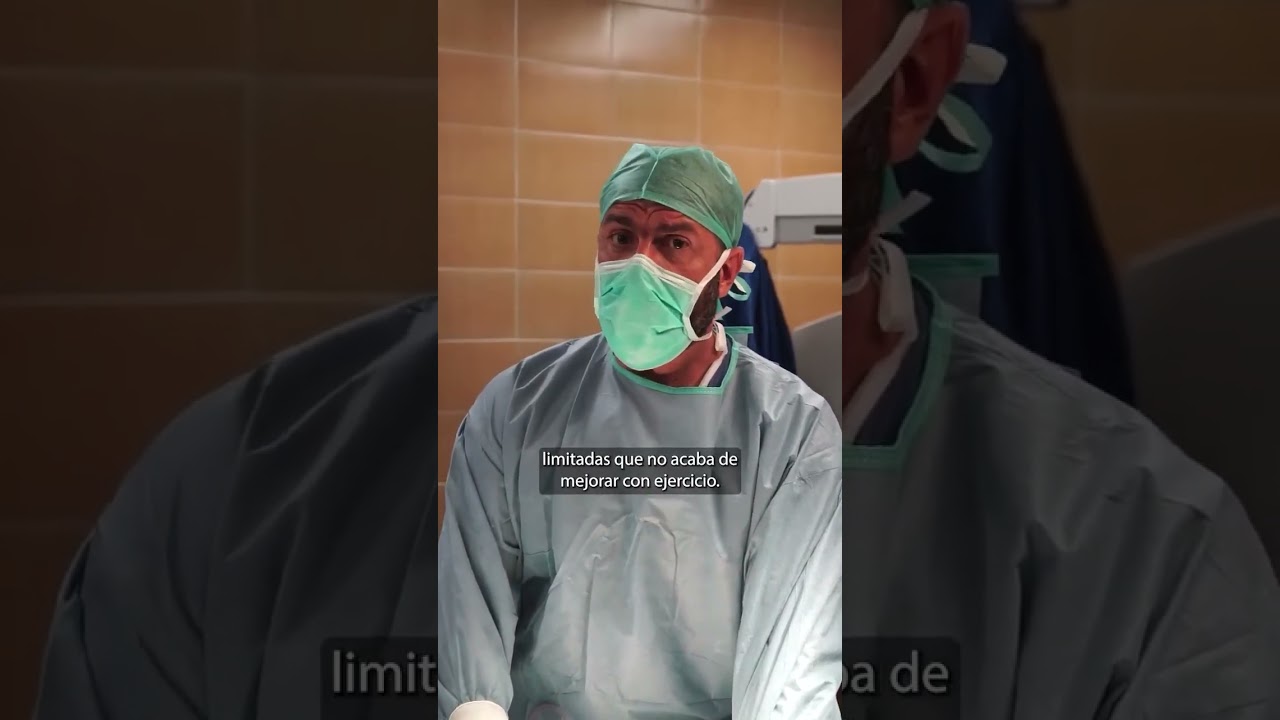
The procedure is performed in several stages. Initially, the surgeon conducts a thorough evaluation to determine the amount of tissue that needs to be removed. Then, the areas for incision are marked. The surgery typically lasts between 1 and 2 hours, depending on the case’s complexity.

  • Incision and Tissue Removal: Discreet incisions are made around the areola or in the armpit, where scars are less visible. Through these incisions, the surgeon removes excess breast tissue. If needed, liposuction is also performed to remove additional fat.
  • Skin Repositioning: In some cases, excess skin is removed to achieve a firmer, more natural chest contour.
  • Closure of Incisions: The incisions are closed using fine sutures to minimize scarring, and dressings are applied to protect the treated area during recovery.
Glandular gynecomastia

This type of breast enlargement is mainly due to the growth of glandular breast tissue. It is often linked to a hormonal imbalance, where estrogen (female hormone) levels exceed testosterone. This form typically presents with firm, dense tissue around the nipple. The most effective treatment is subcutaneous mastectomy, which removes the glandular tissue.

Pseudo gynecomastia

Pseudo gynecomastia is the result of excessive fat accumulation in the pectoral area rather than the growth of glandular tissue, and it is commonly seen in overweight individuals. The chest is usually softer and not associated with hormonal imbalances. Treatment generally involves weight loss, physical exercise, and, in some cases, liposuction to contour the chest and remove localized fat.

Mixed gynecomastia

This is the most common type, combining both glandular tissue and fat in the chest. Treatment typically involves a combination of surgical techniques, such as subcutaneous mastectomy to remove the glandular tissue and liposuction to eliminate excess fat. This approach achieves a more natural and balanced result.

How is a gynecomastia procedure performed?

Before and after photos of male gynecomastia

Who is a good candidate for gynecomastia surgery?

Gynecomastia surgery is suitable for men of all ages who experience abnormal enlargement of the breast glands and wish to correct it. Ideal candidates include:

  • Men in good overall health.
  • Individuals with realistic expectations about the surgery’s results.
  • Men who feel discomfort or embarrassment due to enlarged breasts.
  • Individuals who have not been able to reduce breast tissue through other treatments or exercise.

Preoperative tests for gynecomastia surgery

Before the surgery, a series of tests are required to ensure the patient is in optimal condition for the procedure. These tests typically include:

  • Blood tests to evaluate clotting and other basic health parameters.
  • A comprehensive medical evaluation to rule out any underlying conditions that could impact the surgery.
  • In some cases, a breast screening (mammogram) or ultrasound may be requested to analyze the breast tissue.

Postoperative care for gynecomastia surgery

Following the procedure, it is essential to follow the surgeon’s recommendations to ensure a quick recovery and optimal results. Postoperative care includes:

  • Compression Garment: Wearing a compression garment helps reduce swelling and assists in contouring the chest.
  • Activity Restrictions: Avoiding intense physical activity and sun exposure during the first few weeks is critical.
  • Follow-Up Appointments: Regular check-ups with the surgeon will help monitor the healing process and ensure everything is progressing as expected.

These instructions are key to ensuring a successful recovery and optimal results.

Cares
Eliminates excess glandular tissueEnhances body proportionsSafe procedureLifelong results

How much does gynecomastia cost?

The cost of gynecomastia treatment can vary depending on the complexity of the case and the clinic where the surgery is performed. On average, the price ranges between €3,550 and €4,500. For a more accurate assessment, it is recommended to schedule a consultation with our surgeon.

Factors influencing the price of gynecomastia

  • Surgical Technique Used: Prices may vary depending on whether liposuction, glandular tissue excision, or a combination of both techniques is required.
  • Degree of Correction: The amount of tissue to be removed directly impacts the final cost.
  • Procedure Duration: Longer procedures generally result in higher costs.
  • Materials and Equipment Used: The use of advanced technology and specialized equipment may influence the price.
  • Postoperative Care: The type of follow-up care and necessary treatments after the surgery (such as compression garments or additional check-ups) also affect the total price.

How much does gynecomastia cost?

Frequently asked questions about gynecomastia surgery

How long does recovery take?

Recovery time typically takes about 1 to 2 weeks for most patients, with many returning to light activities within a week. Full recovery, including the return to intense physical activity, may take 4 to 6 weeks.

Are the scars visible?

Scars are placed discreetly around the areola or in the armpits, making them less noticeable. Although scars are a natural part of surgery, they typically fade over time and become less visible.

What causes gynecomastia?

Gynecomastia is commonly caused by hormonal imbalances, particularly excess estrogen relative to testosterone. Other factors such as obesity, medications, or underlying health conditions can also contribute.

At what age can I have gynecomastia surgery?

Surgery can be performed on men of any age who have completed puberty. However, it is typically recommended for those whose breast tissue has stabilized and is no longer growin

How is gynecomastia corrected?

Gynecomastia is corrected through surgery, which involves the removal of excess glandular tissue and/or fat from the chest. Liposuction or subcutaneous mastectomy may be performed, depending on the type of gynecomastia.

Is it necessary to repeat the surgery?

In most cases, gynecomastia surgery provides long-lasting results. However, weight gain, aging, or changes in hormone levels may affect the results, and a secondary procedure might be necessary in rare instances.

What are the risk factors associated with gynecomastia surgery?

The risks associated with gynecomastia surgery include:

  • Infection: As with any surgery, there is a risk of infection in the treated area if proper post-operative care is not followed.
  • Hematomas or bruising: It is common for bruising to appear in the chest area after the procedure.
  • Asymmetry: There is a possibility that the results may not be perfectly symmetrical, which could require additional touch-ups.
  • Loss of sensitivity: Some individuals may experience temporary or permanent loss of sensation in the nipples or treated area.
  • Visible scars: Although techniques are used to minimize scarring, visible marks may remain in some cases.
  • Fluid accumulation (seromas): Fluid may accumulate under the skin, which sometimes requires drainage.
  • Healing complications: Healing may be slow or problematic, potentially leading to hypertrophic scars or keloids.
Is the result of the surgery permanent?

Yes, the results of gynecomastia surgery are typically permanent. Maintaining a healthy lifestyle and stable weight is essential for preserving the results.

Can I combine gynecomastia surgery with other procedures?

Yes, gynecomastia surgery can often be combined with other cosmetic procedures, such as liposuction or body contouring, depending on the patient’s goals.

Can gynecomastia disappear without surgery?

In some cases, gynecomastia may resolve on its own, particularly during puberty. However, for persistent cases or those causing discomfort, surgery is often the most effective solution.

Does the surgery affect the functionality of the chest?

No, gynecomastia surgery does not affect chest functionality. It does not impact the ability to breastfeed or cause future chest health issues.

What happens if I gain weight after the surgery?

Gaining weight after surgery may impact the chest's appearance. Changes in weight can affect the remaining breast tissue and skin, potentially altering the results.

How can I tell if I have gynecomastia or pseudo-gynecomastia?

Gynecomastia involves the growth of glandular tissue, while pseudo-gynecomastia is caused by excess fat. A physical examination and imaging tests such as a mammogram or ultrasound can help differentiate between the two.

Can gynecomastia affect health beyond aesthetics?

While gynecomastia is not harmful, it can lead to emotional distress, reduced self-esteem, and physical discomfort. It may also cause nipple tenderness or pain.

Frequently asked questions about gynecomastia surgery

How we work

Your journey, step by step

01

First assessment

We study your case and listen to your goals to design a fully personalised plan.

02

A plan for you

We explain the technique, the expected result and the price with full transparency.

03

Safe procedure

An expert surgeon performs the procedure, always prioritising your safety.

04

Close follow-up

We support you throughout the recovery until you are fully healed.

4.9 / 5

Excellent · 10.000 reviews

Other treatments in breast surgery

No obligation

Book your appointment and take the first step

Book a personalised assessment with our team of surgeons. We answer all your questions and design a plan tailored to you, with full transparency.

WhatsApp