
on Google
Facial Surgery · Barcelona
Facelift in Barcelona
A facelift in Barcelona is something people think about long before they book an appointment. Anyone considering one usually has very specific questions: which part of the face changes and which doesn't, whether a mini facelift or a full one is better, what this deep plane technique people keep mentioning actually is, what happens with the neck, how many days you need to stay at home and how noticeable it will be. At Clínica EGOS we treat it as precision surgery, decided only after examining your face, not as a fixed package.

This page explains what a facelift corrects, how the cervicofacial facelift, mini facelift, deep plane facelift and neck lift differ, how a decision is reached, what the operation and recovery are like phase by phase, and what a quote should include. There is also a section for anyone travelling in from outside the city. You can start at Balmes, where our cosmetic surgery clinic in Barcelona is, or at Aribau, Guinardó, Madrazo or Poblenou.
What is a facelift and what can it change?
A facelift, or rhytidectomy, is surgery that repositions the tissues of the face and neck that have dropped and removes excess skin. In the description given on the website of the American Society of Plastic Surgeons (ASPS), consulted in October 2026, a facelift improves the visible signs of ageing: loosening skin, folds between the nose and the corner of the mouth, fat that has dropped or disappeared, jowls in the cheeks and jaw, and loose skin and excess fat in the neck that can look like a double chin. It adds that the face ages for many reasons: thinning skin, loss of facial fat, gravity, sun, tobacco, heredity and stress.
What it doesn't do
The ASPS is clear on two points. A facelift does not change how you fundamentally look, and it does not stop ageing: your face will keep changing afterwards. And it can only be achieved with surgery.
Which areas does a facelift treat?
A facelift works mainly on the mid-face / lower face: cheeks that have dropped, the folds running from nose to mouth, a jawline that has become less defined, and the neck. If what bothers you most is the upper part, such as the forehead or eyebrows, there are procedures designed for that area, such as a brow lift, which can be added.
That is why the first question in the consultation is not "which facelift do I want?" but "what bothers me when I look in the mirror?". The technique is chosen from there.
Types of facelift: cervicofacial, mini facelift, deep plane and neck lift
Cervicofacial or SMAS facelift
This is the classic facelift. It works on the cheeks, jaw and neck, treating the SMAS, the layer that supports the structure of the face beneath the skin, and removing excess skin. It is done through incisions that generally begin in the hairline, wrap around the ear and end in the scalp.
Mini facelift
It is a variant with shorter incisions, suited to cases where the signs are still mild. Recovery is quicker, seven to ten days, but in exchange it treats a smaller area and is not suitable for marked laxity of the neck.
What the deep plane facelift is
The deep plane is an advanced technique that works at a deeper level than the conventional SMAS. Instead of pulling on the skin, it frees and repositions the skin and the deeper layers beneath it together, so that the tissues move as one block.
Cervical lift or neck lift
It focuses on the neck and the lower part of the face. It can include three procedures that are combined depending on the case: cervicoplasty, which removes excess skin; platysmaplasty, which tightens the platysma muscle to soften the vertical bands in the neck; and neck liposuction, which removes localised fat under the chin.
Which one for whom
A mini facelift suits mild signs; a cervicofacial facelift suits moderate or advanced laxity in the face and neck; and when the neck is what matters most, the surgery focuses on it. Often it is not one or the other but a combination. It is decided with your face in front of the surgeon.
At what age? Candidates and the first consultation in Barcelona
The ASPS describes good candidates as healthy people with no conditions that hinder healing, who don't smoke and have realistic expectations. In practice, most people who have the operation are between 40 and 65, but there is no fixed age: the condition of the skin and the degree of laxity matter more than the calendar.
At the first consultation, the surgeon asks what you are looking for and what bothers you, reviews your health, your medication and your previous operations, examines and measures your face and takes photographs. The ASPS adds that the surgeon discusses the options, the type of anaesthesia and what to expect. There is no obligation to have surgery, and sometimes the most prudent course is to wait or not to operate.
Bring photos of yourself from a few years ago: they help show how your face has changed and what you are hoping to restore. And bring a written list of questions, even if they seem obvious.
What the surgeon looks at in your face
It isn't only the skin that is assessed. The surgeon considers how much fat has been lost or has dropped, the state of the neck muscles, where the jawline shows, how much elasticity the tissue retains and the shape of the bone beneath. Two faces of the same age can need very different operations, which is why a technique that worked for a friend may not be yours. What bothers you from the front is not the same as from the side either: look at yourself in both positions and tell the surgeon.
When it isn't the right moment
There are situations in which the surgeon will advise waiting or looking for another solution: smoking with no intention of stopping, an uncontrolled condition that complicates healing, or expectations that surgery cannot meet, such as wanting a different face rather than a more rested version of your own. Saying so clearly is part of a good consultation.
The operation step by step
Before the operation
If you are considering a facelift in Barcelona and already have a date, these are the preparations. According to the ASPS, you may be asked for tests or a medical assessment, have your medication adjusted, stop smoking and avoid certain medicines and supplements that increase bleeding and bruising. You will need to arrange for someone to accompany you and stay with you the first night. Anyone who smokes must stop well in advance.
Once the date is set, you receive the informed consent form with time to read it; Spain's Law 41/2002 on patient autonomy requires it to be signed for any operation.
On the day of the operation
A facelift is performed under general anaesthesia, or under sedation with local anaesthesia, and takes between three and five hours depending on its extent. The incisions usually run along the hairline and around the ears, and the stitches are placed, as far as possible, hidden in those folds. The deeper tissues are lifted and tightened, excess fat and skin are removed and the incisions are closed.
A dressing is applied to limit swelling, and the ASPS notes that small tubes may be left in to drain excess fluid. You go home the same day or the next, depending on the case.
Facelift recovery, phase by phase
The timescales are approximate and vary from person to person.
The first few days
There is swelling and bruising, which is normal after this surgery. You sleep with your head raised and we apply cold compresses during the first 48 hours. The stitches are removed between five and ten days.
The first two weeks
According to the ASPS, most people look presentable in public at ten to fourteen days. We advise resuming social life from the two-week mark and waiting at least four weeks for strenuous physical effort.
From two to three months
The ASPS states that the face takes two to three months to feel "like normal" in texture, sensitivity and the sense of tightness. As the swelling and bruising subside, the improvements become visible. We allow fifteen to thirty days for full recovery and a few months for the final result; these are timescales each surgeon will specify.
Daily life while you recover
The ASPS recommends asking very practical questions in advance: when you can wash your face and put on make-up, when the stitches come out, when you can dye your hair or go to the hairdresser, and when you can resume exercise. Write them down, because they are the ones most often forgotten in the consultation and the ones that most affect a social or work diary. Think too about how to plan days without important meetings or photos, and remember that swelling can vary from one day to the next.
Scars and how long the results last
The scars sit in the hairline and around the ears, and under the chin in neck lift cases that require it. They become less visible over the months. Every skin heals differently, which is why no promise is made about how they will turn out.
A facelift does not stop ageing, but it moves the starting point back. The ASPS notes that protecting your skin from the sun daily and keeping up healthy habits helps the result last longer. How many years it lasts depends on your genetics, your lifestyle and your aftercare; there is no single figure that holds for every face.
Combining a facelift with other procedures
A facelift is often combined with blepharoplasty, which rejuvenates the eyelids, and with facial fat transfer, which restores volume to the cheeks or temples using your own fat. Some people take the opportunity to treat the neck as well. The ASPS also mentions a brow lift and treatments for skin quality. Operating on several areas in the same session lengthens the procedure, and the surgeon weighs up what is best done together and what in stages.
Four misconceptions about the facelift
"It leaves the face tight and artificial"
A facelift that only stretches the skin can give that look, and that is where the reputation comes from. What is aimed for today is to reposition the deeper tissues rather than pull on the surface. It depends on the technique and on the surgeon's hand, and no particular result can be promised.
"The sooner, the better"
No: a facelift treats what is already visible. Having surgery earlier does not stop the face from continuing to age.
"It removes all wrinkles"
Not true either. A facelift treats laxity, not skin quality; for fine lines, spots or texture there are other treatments that can be added.
"It's only for women"
There is no single profile. The reasons and the procedure are the same, and what changes is the hairline and the shape of the incisions, which the surgeon adapts.
What about thread lifts or fillers?
These are different treatments and are not equivalent to a facelift. They can improve firmness or volume temporarily and, according to the ASPS, may help delay the point at which a facelift becomes advisable, but their effect does not match that of surgery and tends to be shorter-lived. The consultation is there to work out which one suits your face and what you expect.
If you are coming from outside Barcelona
If you are coming from another city, ask when you book how many visits there are before and after the operation, which of them can be done remotely and how many nights it is worth spending in Barcelona. Until you know, do not buy tickets. Also arrange for someone to go with you on the journey home and make sure you have what you need at home for the first few days, such as pillows to sleep propped up.
Clínica EGOS surgeons for your facelift in Barcelona
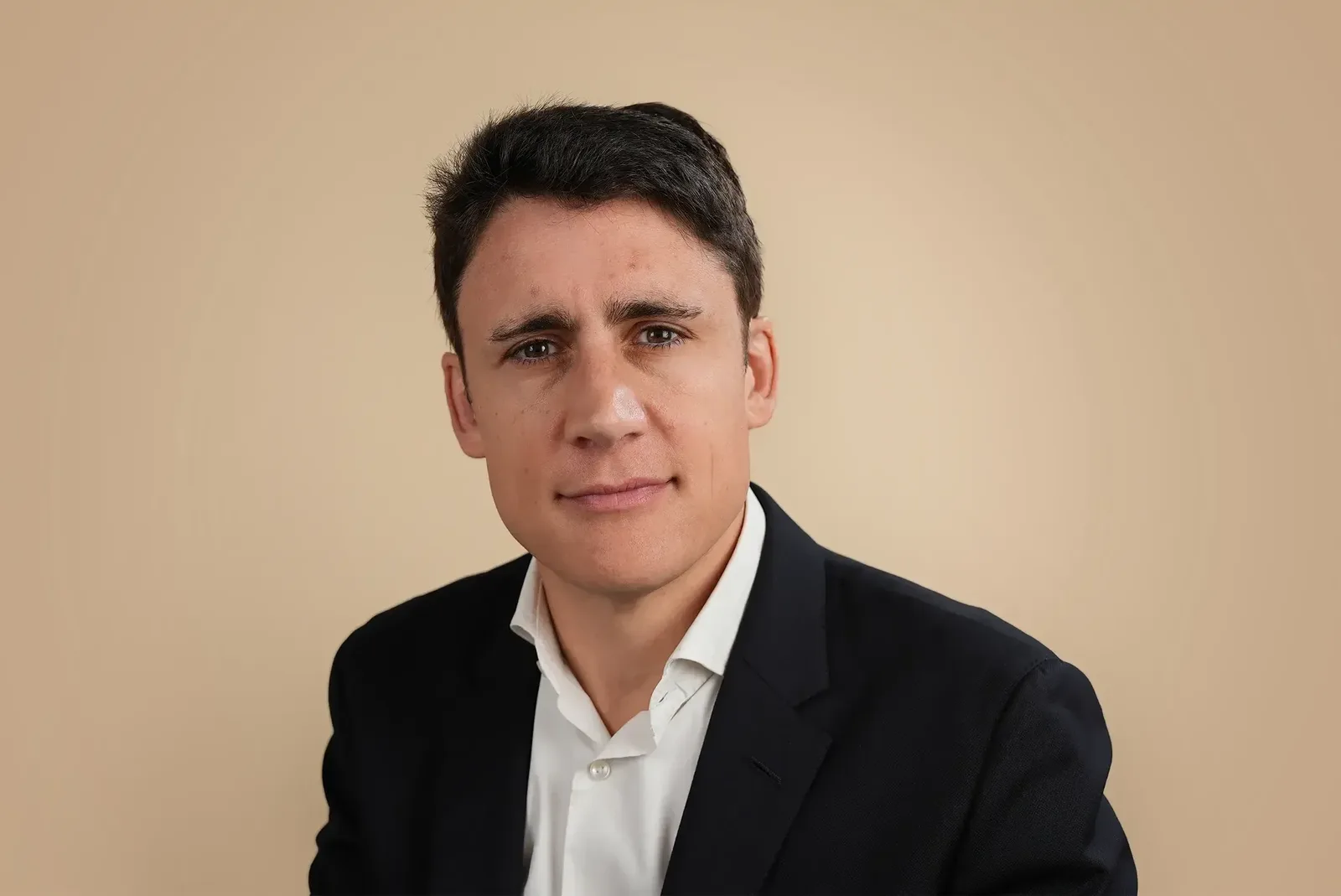
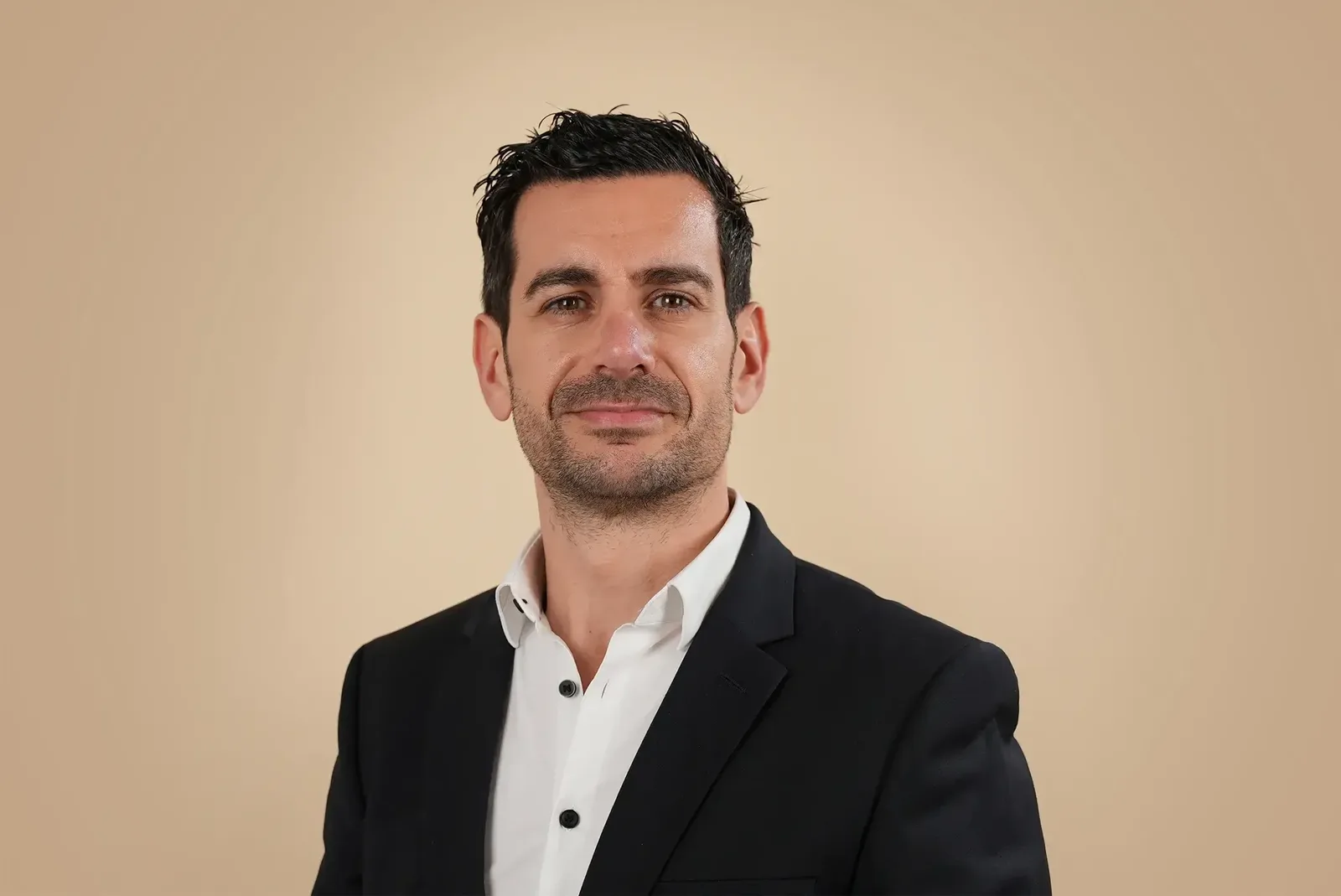
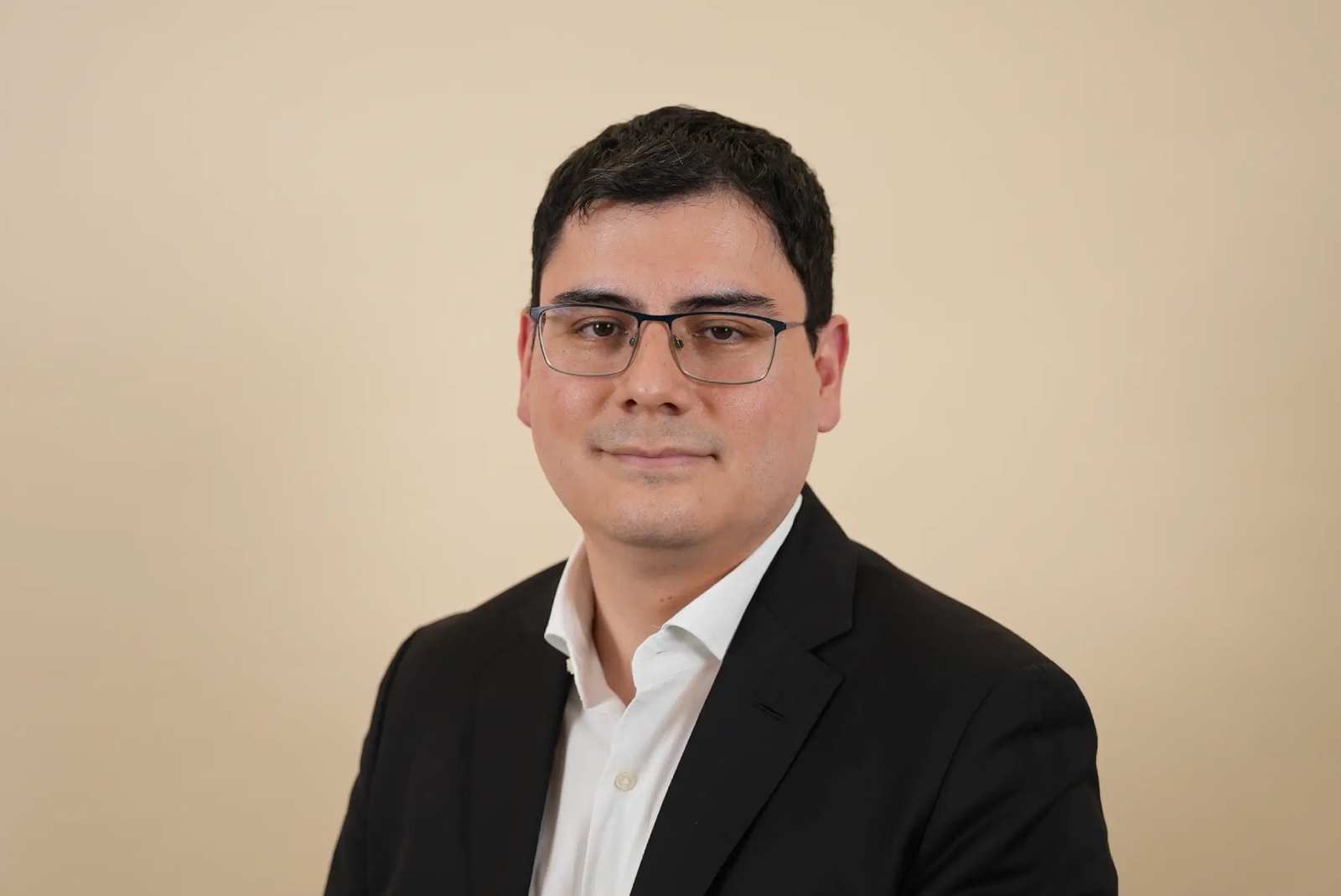
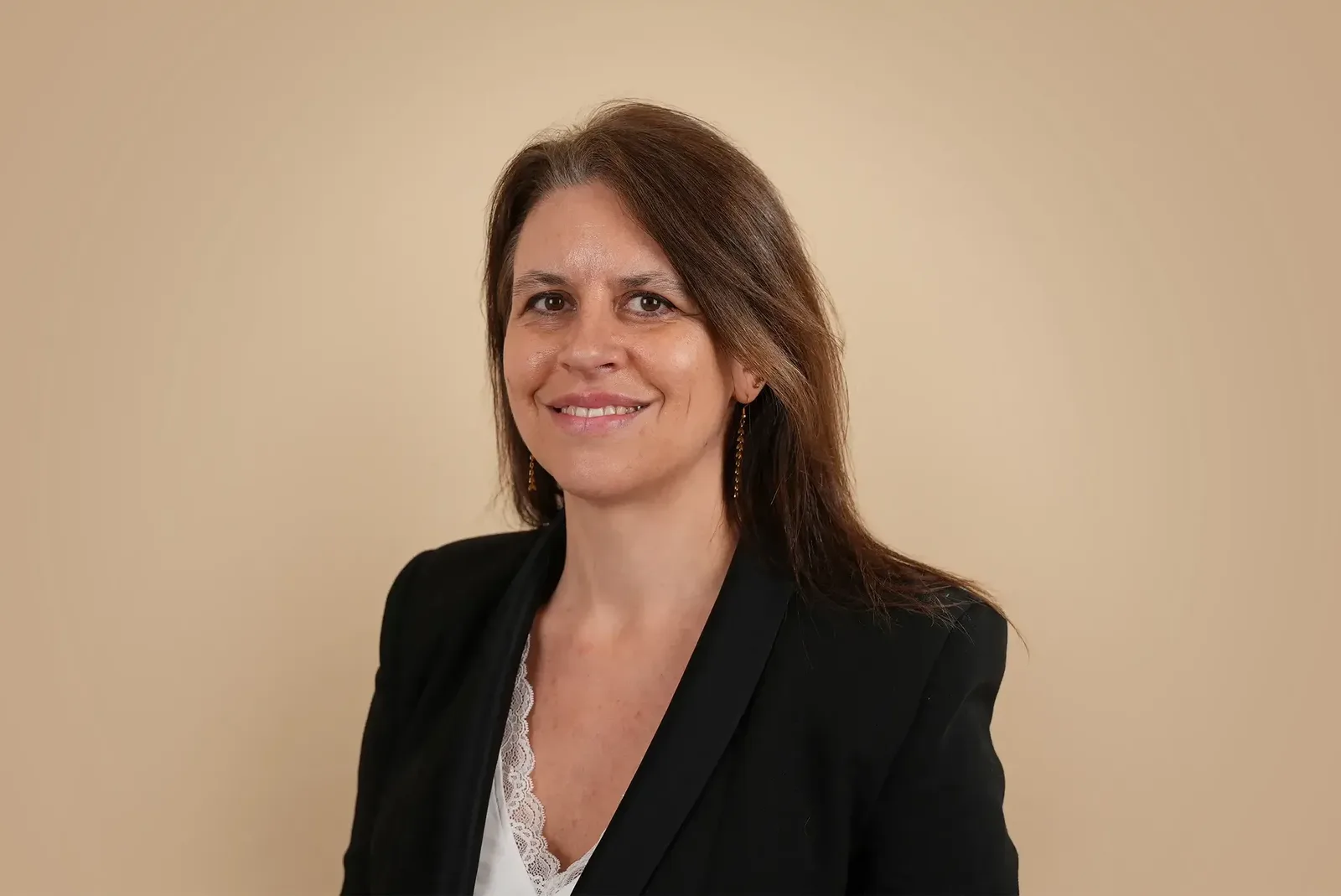
Plastic surgery at Clínica EGOS is in the hands of Dr Santiago Elvira i Barberà, plastic surgeon (registration no. 49756 with the Spanish medical association), co-founder of the clinic, who writes the facelift and neck lift articles on our blog. For this page on the facelift he is the reference surgeon, and he signs and reviews the text. From the Barcelona team, Dr Lorena Vives (38736), Dr Tiago Gomes (44844) and Dr Edgar Carmona (57800) also have public profiles.
Before you book a date, we tell you in writing who will operate on you, with their registration number with the medical association, and at which centre, with its health registration number.
Where to find us in Barcelona
You have five clinics: Balmes (number 268), Aribau (192), Guinardó, on Calle Sardenya (515), Madrazo (60-66) and Poblenou, on Avenida Diagonal (141). A single number, +34 932 71 80 69, and a single email address, info@clinicaegos.com, serve all five.
How much does a facelift cost in Barcelona: what shapes the quote
A facelift is long surgery that needs careful planning, and its cost varies with the technique chosen, the extent of the operation, the anaesthesia, the length of stay and whether other procedures are added. That is why we don't give a figure without having examined you.
What it should include
A clear quote covers the team's fees, the operating theatre and stay, anaesthesia, dressings and follow-up check-ups. We give it to you in writing, itemised.
First facelift consultation in Barcelona, with no obligation
If you want to know which facelift suits your face in Barcelona, start with an assessment by our surgeons. +34 932 71 80 69 is the number to book, and the form on this page does the same.
Sources for this page
To prepare this text we read, in October 2026, what the ASPS explains about the facelift (definition, candidates, preparation, recovery and results), three articles from our blog (facelift, deep plane and neck lift), Law 41/2002 as published in the Spanish Official State Gazette (BOE) and each surgeon's profile.
Content reviewed by Dr Santiago Elvira i Barberà, plastic surgeon (registration no. 49756 with the medical association) · October 2026
For information only; it does not replace a consultation with a healthcare professional. The results of any procedure depend on each patient and are assessed individually. Clínica EGOS.
Where we treat you
Clínica EGOS Barcelona Guinardó
Carrer de Sardenya, 515, 08024 Barcelona
Clínica EGOS Barcelona Madrazo
Carrer dels Madrazo, 60-66, Sarrià-Sant Gervasi, 08006 Barcelona
Clínica EGOS Barcelona Poblenou
Av. Diagonal, 141, Sant Martí, 08018 Barcelona
Frequently asked questions
How much does a facelift cost in Barcelona?
It depends on the technique, the extent, the anaesthesia and the length of stay, so it is given in writing after examining you. It should spell out what is included.
What age is best for a facelift?
There is no fixed age. Most patients are between 40 and 65, but the condition of the skin and the degree of laxity count for more than age.
Will it be obvious that I've had surgery?
The aim is to reposition the tissues and not to change your face, but how each person looks depends on their anatomy and their healing, and it cannot be promised.
What is the difference between a full facelift, a mini facelift and a deep plane?
A mini facelift uses shorter incisions and treats a smaller area; the full one works on the cheeks, jaw and neck; and the deep plane works at a deeper level.
What is a neck lift and when is it needed?
It is surgery of the neck and lower face: it removes excess skin, tightens the platysma muscle and can remove fat from under the chin.
When can I get back to normal life, work and exercise?
According to the ASPS, most people look presentable in public at ten to fourteen days; we advise waiting at least four weeks for strenuous physical effort.
What anaesthesia is used and is a hospital stay needed?
General anaesthesia, or sedation with local anaesthesia. You go home the same day or the next, depending on the case.
Is it painful?
You feel no pain during the operation. In the following days there is swelling and discomfort, treated with medication.
Where are the scars?
In the hairline and around the ears, and under the chin if a neck lift is done. They fade over time.
How long do the results last?
Several years, although the face keeps ageing. Protecting your skin from the sun and keeping up healthy habits helps them last longer.
Can a facelift be repeated?
Yes, later on, if the surgeon considers it appropriate. Each case depends on the previous surgery and on how the face has changed.
What other treatments can it be combined with?
With blepharoplasty, facial fat transfer, neck treatment or a brow lift, depending on what you need.
No obligation
Book your appointment and take the first step
Book a personalised assessment with our team of surgeons. We answer all your questions and design a plan tailored to you, with full transparency.