Skip to content

Facial Surgery

Facelift: natural results for a rejuvenated face

Reduces facial sagging and wrinkles, redefines the facial contour, and gives a more youthful appearance.

Desde 6000€

Facelift

Estimate your financing

Amount6000
months

126/mo

Book a consultation

Indicative simulation: 0% up to 12 months; 9.5% nominal thereafter. Amount €250–€40,000. Financing subject to lender approval; APR per conditions.

Surgery duration

3-5 hours

Anesthesia

General

Postoperative rest

Ambulatory

Visible effects

15 days

Recovery

15-30 days

Results

Life-long

We are not a franchise

We have our own medical team

What is a facelift?

A facelift, or rhytidectomy, is a cosmetic surgery aimed at rejuvenating the face by correcting sagging and wrinkles caused by aging. It is performed by lifting and repositioning the deep facial tissues, removing excess skin to achieve a firmer and more defined contour.

How is the facelift procedure performed?

The facelift process is customized according to each patient's needs and goals. Below is a simple explanation of how the procedure is carried out:

  • Initial consultation: The first step is a meeting with the plastic surgeon to assess your health status, analyze the facial areas you wish to improve, and discuss your expectations. The procedure will be explained in detail, and all your questions will be answered.
  • Preparation for surgery: Before the surgery, you will be instructed on how to prepare, which may include stopping smoking, avoiding certain medications, and maintaining a balanced diet.
  • Anesthesia: The facelift is performed under general anesthesia or intravenous sedation with local anesthesia, ensuring that you remain comfortable and pain-free throughout the procedure.
  • Incisions: The surgeon makes strategic incisions, typically starting at the hairline, extending around the ears, and ending at the lower scalp. These incisions allow access to the deep facial tissues.
  • Tissue repositioning and tightening: The underlying facial muscles are lifted and tightened, excess fat is removed, and the skin is redistributed to achieve a firmer, more youthful appearance.
  • Closing incisions: The incisions are carefully closed with sutures that, in most cases, are hidden within the hairline and natural contours of the face, minimizing visible scarring.
  • Recovery: After the surgery, bandages are applied to reduce swelling and support healing. You may return home the same day or the next day, following the postoperative care instructions provided by your surgeon.
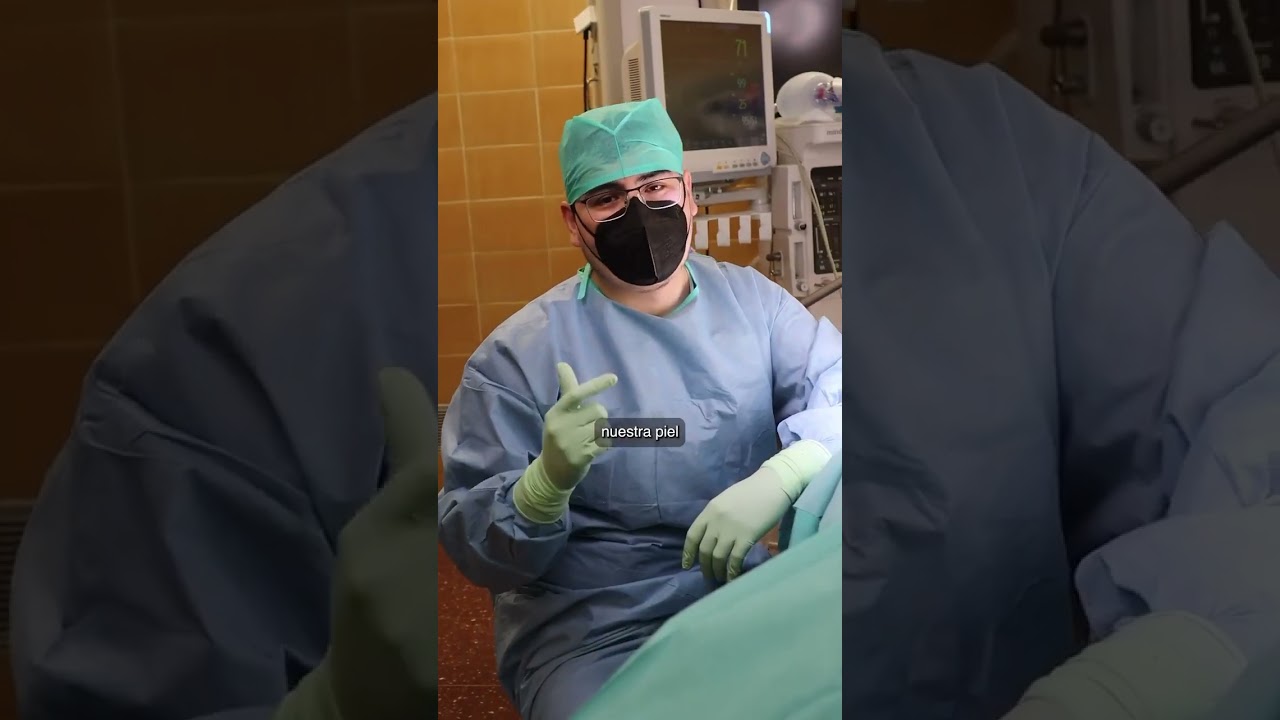
Full facelift

This is the most comprehensive option, as it rejuvenates the entire face, including the forehead, cheekbones, jawline, and neck. It is ideal for patients with signs of aging in specific areas.

Upper third facelift or forehead lift

Focuses on the forehead and eyebrows, correcting wrinkles and sagging of the tissues.

Lower third facelift

Redefines the jawline and combats sagging in the double chin area. Finally, the cervical lift focuses exclusively on the neck, removing excess skin and tightening the muscles for a more youthful appearance.

How is the facelift procedure performed?

Before and after photos of a facelift

Ideal candidate for a facelift

A facelift is suitable for both men and women who wish to reverse the visible signs of aging on their face. The ideal candidates generally meet the following characteristics:

  • Age: Typically between 40 and 65 years old, although it can be performed on younger or older individuals depending on their facial condition.
  • General health: Individuals in good health without medical conditions that could interfere with recovery.
  • Realistic Expectations: Those who understand what the procedure can achieve and have realistic expectations about the results.
  • Skin Condition: Individuals with facial and neck skin that has lost elasticity and shows noticeable sagging.

A consultation with a certified plastic surgeon will help determine if this procedure is right for you and what the best technique is to achieve your aesthetic goals.

Preoperative tests for facelift surgery

Before a facelift, the following evaluations are performed to ensure safety and success:

  • Complete medical evaluation: A review of medical history and a physical examination.
  • Blood tests and screenings: Ensure there are no risks for anesthesia and healing.
  • Facial evaluation: The surgeon examines the facial structure, skin, and aesthetic goals.
  • Preoperative photographs: Document the face to compare results later.

These steps adequately prepare the procedure.

Postoperative Care for Facelift

  • For proper recovery after a facelift, follow these care instructions:
  • Rest and care for incisions: Keep incisions clean and dry.
  • Medications: Take prescribed medications for pain relief and to prevent infections.
  • Avoid strenuous activities: Rest and avoid sun exposure and physical exertion in the first few weeks.
  • Medical follow-ups: Attend follow-up appointments to monitor progress and remove sutures.
  • Good nutrition and hydration: These help with quick healing.

Complete recovery usually takes two to four weeks.

Cares
Facial rejuvenationCorrection of neck saggingRemoval of excess skinIncrease in self-esteem.

What is the cost of a facelift?

The cost of a facelift can vary depending on several factors such as the complexity of the procedure, the surgeon's experience, the clinic's location, and any additional services included. In general, the price ranges from €3,000 to €10,000.

Factors that influence the price of a facelift:

  • Technique used: Depending on the type of facelift (full facelift, mini-lift, or facelift for a specific area), the price will vary.
  • Materials and equipment: If advanced technologies or special materials, such as lifting threads or lasers, are used, this can increase the cost.
  • Duration of the procedure: The longer the procedure, the higher the associated cost.
  • Treatment scope: If the facelift only includes the face or also other areas like the neck, the price will be different.
  • Postoperative care: The amount and quality of care needed after surgery also affect the total cost of the treatment.
What is the cost of a facelift?

Frequently asked questions about facelift

How long do the results of a facelift last?

The results of a facelift can last between 10 and 15 years, depending on factors such as genetics, lifestyle, and postoperative care. Adopting healthy habits and taking proper care of your skin will help prolong the effects of the procedure.

Will there be visible scars after the surgery?

Incisions are made strategically in areas where scars are hidden, such as along the hairline and around the ears. Over time, these scars fade and become almost imperceptible.

Is the recovery from a facelift painful?

It is normal to experience some pain, swelling, and discomfort after surgery, but these symptoms are usually manageable with prescribed medications and tend to subside in a few days.

What is the recommended age for a facelift?

There is no specific age, but most patients are between 40 and 65 years old. The most important factor is that the skin still retains some elasticity, and the patient is in good overall health.

What are the risks associated with a facelift?

The risks associated with a facelift include:

  • Bruising: It is common for bruises to form in the treated area, which will disappear over time.
  • Infection: There is a risk of infection in the incisions if postoperative care is not followed properly.
  • Irregular scarring: Scars may vary in appearance and, in some cases, could be more visible than expected.
  • Temporary loss of sensation: Numbness may occur in the treated areas but usually disappears over time.
  • Asymmetry: The results may not be perfectly symmetrical, requiring possible touch-ups.
  • Facial nerve damage: In rare cases, temporary or permanent nerve damage may occur, affecting facial movement.
  • Prolonged swelling: Swelling may last for several weeks or months before final results are visible.
How long does it take to see the final result?

Initial changes are visible within a few weeks, but the final result can take between 3 and 6 months due to residual swelling.

Is it possible to get a facelift without surgery?

Yes, there are non-surgical options available to improve skin firmness, although their results are not as long-lasting as those of a surgical facelift.

Can a facelift be combined with other procedures?

Yes, it is common to combine a facelift with other procedures such as blepharoplasty (eyelid surgery), cervical liposuction, facial lipofilling (fat transfer), or treatments with botulinum toxin and hyaluronic acid to optimize results.

Frequently asked questions about facelift

How we work

Your journey, step by step

01

First assessment

We study your case and listen to your goals to design a fully personalised plan.

02

A plan for you

We explain the technique, the expected result and the price with full transparency.

03

Safe procedure

An expert surgeon performs the procedure, always prioritising your safety.

04

Close follow-up

We support you throughout the recovery until you are fully healed.

4.9 / 5

Excellent · 10.000 reviews

Other treatments in facial surgery

No obligation

Book your appointment and take the first step

Book a personalised assessment with our team of surgeons. We answer all your questions and design a plan tailored to you, with full transparency.

WhatsApp