Facial Surgery
Bichectomy: Buccal fat removal
It refines the face, defines the cheekbones, and enhances facial harmony, providing a more youthful and stylized appearance.
Desde 1400€

Estimate your financing
29 €/mo
Indicative simulation: 0% up to 12 months; 9.5% nominal thereafter. Amount €250–€40,000. Financing subject to lender approval; APR per conditions.
Surgery duration
60 minutes
Anesthesia
General
Postoperative rest
3 days
Visible Effects
Immediately
Results
Life-long
We are not a franchise
We have our own medical team
What is Bichectomy?
Bichectomy is a facial aesthetic surgery aimed at removing the Bichat's fat pads located in the cheeks. This procedure is ideal for those seeking to remove buccal fat and achieve a more defined and slimmer face, as it reduces volume in the lower cheeks, achieving a more sculpted and youthful appearance.
How is bichectomy performed?
Bichectomy is a relatively simple and quick procedure performed under local anesthesia. Here’s a step-by-step breakdown of how it’s done:
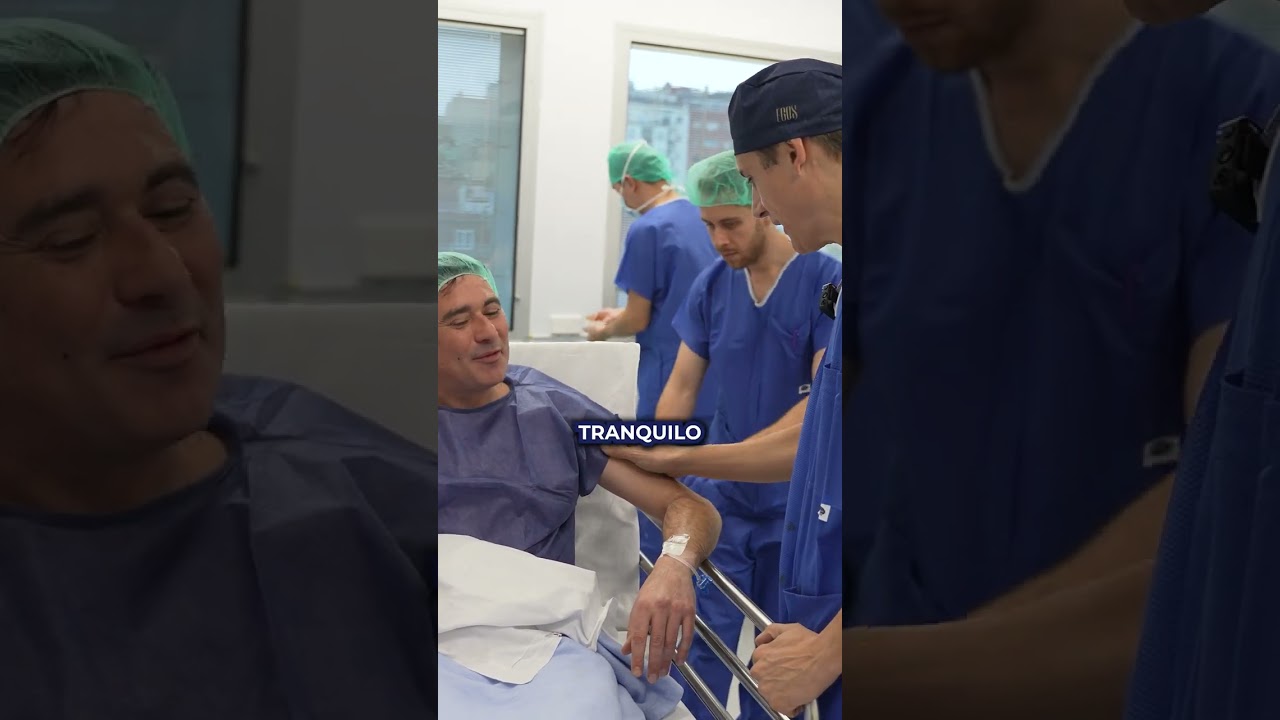
- Step 1: Initial evaluation
- Step 2: Local anesthesia
- Step 3: Incision and removal of bichat's fat pads
- Step 4: Closure and recovery
Before surgery, the doctor will assess your facial structure and explain how removing the Bichat fat pads will affect your appearance. It’s important to ensure that this procedure is suitable for your facial features.
The procedure is performed under local anesthesia, meaning you will be awake but feel no pain. This also helps reduce recovery time and the risks associated with general anesthesia.
The surgeon makes a small incision inside each cheek, leaving no visible scars. Through these incisions, the Bichat's fat pads are carefully removed.
After the fat pads are removed, the incisions are closed with self-dissolving sutures, which will dissolve on their own in a few days.

Who is a good candidate for bichectomy?
Bichectomy is ideal for people who, despite being at a healthy weight, have a round or fuller face. Specifically, the best candidates for this procedure are those who:
- Desire a more defined and angular face.
- Do not have significant excess weight, as Bichectomy is not a treatment for obesity.
- Are in good overall health.
It is essential to have realistic expectations about the results and discuss all options with the surgeon before making a decision.
Preoperative Tests for Bichectomy
Before undergoing a bichectomy, the doctor will perform tests to confirm your suitability:
- Facial Physical Exam: Evaluates the bone and fat structure in the cheeks.
- Medical History: Reviews allergies, prior surgeries, and conditions that could affect the surgery.
- Laboratory Tests: In some cases, blood tests are conducted to assess general health.
These evaluations ensure that you are a suitable candidate for the procedure.
Postoperative Care for Bichectomy
Recovery after bichectomy is quick. Follow these care guidelines:
- Oral Hygiene: Use antiseptic mouthwash after each meal.
- Soft Diet: Maintain a soft diet for the first few days to protect the incisions.
- Cold Compresses: Apply cold compresses for the first 48 hours to reduce swelling.
- Avoid Intense Exercise: Avoid heavy physical activity for at least one week.
These steps help facilitate a safe and uncomplicated recovery.

What is the price of bichectomy?
The cost of a bichectomy can vary depending on factors such as the clinic, the surgeon, and the location. On average, the price ranges from 1400-1695€. It’s important to note that some centers may offer payment plans or financing options.
Factors that influence the cost of Bichectomy
- Procedure Complexity: If the patient’s case is more complex due to anatomical or aesthetic factors, it can affect the treatment cost.
- Anesthesia Type: The use of local or general anesthesia can affect the price of the procedure.
- Surgery Duration: The longer the procedure takes, the higher the associated cost.
- Postoperative Care: The amount and type of follow-up care needed may influence the final cost.
- Materials Used: While bichectomy doesn’t require significant additional materials, any specific surgical tools or products used could affect the price.

Frequently asked questions about Bichectomy
- Is the surgery painful?
- Are there scars after the procedure?
- Can it be avoided with exercise or diet?
- When will I see the results?
- Are the results permanent?
- What are the associated risks of bichectomy?
- Infection: As with any surgical procedure, there is a risk of infection if proper hygiene conditions are not maintained.
- Bleeding: Although rare, excessive bleeding may occur during or after the procedure.
- Hematomas: It is common to experience bruising or swelling in the cheek area following the procedure.
- Facial asymmetry: There is a possibility that the results may not be perfectly symmetrical, which could affect the final aesthetic outcome.
- Damage to facial nerves: In rare cases, there may be temporary or permanent damage to the nerves, which could affect facial movement or sensitivity.
- Overly thin facial appearance: In some cases, removing too much fat may lead to an excessively slim or aged look, which may not be aesthetically pleasing.
- Pain or discomfort: Some pain or discomfort may be experienced during the healing process.
- Will Bichectomy make me look younger?
- Does Bichectomy affect my smile or facial functionality?
- Is Bichectomy reversible?
- What happens if I gain or lose weight after Bichectomy?
- How long should I wait to exercise again?
- Can I have Bichectomy without surgery?
- Can I have more than one Bichectomy?
Bichectomy is performed under local anesthesia, so you won't feel any pain during the surgery. After the procedure, there might be some discomfort, but it is generally mild and can be managed with over-the-counter pain relievers.
Since the incisions are made inside the cheeks, there are no visible external scars. Any scarring will be internal and typically heals without noticeable marks.
No, bichectomy targets the removal of fat pads that cannot be reduced through diet or exercise. While weight loss may reduce facial fullness, the fat pads in the cheeks that cause a rounded appearance need to be surgically removed.
The results are visible almost immediately after the procedure, though you may experience some swelling that could take a few weeks to subside. The final results will be apparent after a couple of months when the swelling fully diminishes.
Yes, the results of a bichectomy are generally permanent, as the fat pads that are removed do not regenerate. However, facial changes due to aging or weight fluctuations can affect the overall appearance over time.
The risks associated with buccal fat removal include:
Yes, bichectomy can give a more youthful appearance by creating a more sculpted face with defined cheekbones. By removing excess fat from the lower cheeks, it can make the face appear slimmer and more angular, which is often associated with a youthful look.
Bichectomy does not affect your smile or facial functionality. Since the fat pads are removed from inside the cheeks, there is no impact on the muscles that control facial expressions or movement.
Bichectomy is not reversible, as the fat pads are permanently removed during the procedure. However, if you wish to modify the result later on, revision surgery can be performed, although it may not restore the fat pads entirely.
If you gain or lose weight after the procedure, it can affect the overall appearance of your face, but the cheeks should remain slimmer compared to before the surgery. However, significant weight fluctuations may change your facial proportions, so it’s best to maintain a stable weight for long-lasting results.
It is recommended to avoid intense physical activity for at least 7 days after the procedure to allow for proper healing. After the first week, you can gradually return to your normal exercise routine, but always follow your surgeon’s advice based on your specific recovery process.
No, there are no non-surgical methods to remove the Bichat fat pads. While cosmetic treatments like facial liposuction or injectables can create a temporary slimming effect, surgery is the only permanent solution to remove the fat pads.
In most cases, a single bichectomy is sufficient to achieve the desired results. However, if you feel the results are not as expected or if the fat pads regenerate (which is rare), a second procedure may be considered. This should be discussed thoroughly with your surgeon.

How we work
Your journey, step by step
First assessment
We study your case and listen to your goals to design a fully personalised plan.
A plan for you
We explain the technique, the expected result and the price with full transparency.
Safe procedure
An expert surgeon performs the procedure, always prioritising your safety.
Close follow-up
We support you throughout the recovery until you are fully healed.
4.9 / 5
Excellent · 10.000 reviews
Other treatments in facial surgery
Lobuloplasty
It restores the natural shape and size of the earlobe, improving both aesthetics and self-esteem.
ViewCheek augmentation
Cheek augmentation improves facial harmony, rejuvenating the face and boosting self-esteem.
ViewFacelift
Reduces facial sagging and wrinkles, redefines the facial contour, and gives a more youthful appearance.
ViewOtoplasty
Enhances facial aesthetics and harmony by correcting the shape, size, and position of the ears, boosting self-esteem and self-confidence.
ViewWhere to get bichectomy
No obligation
Book your appointment and take the first step
Book a personalised assessment with our team of surgeons. We answer all your questions and design a plan tailored to you, with full transparency.