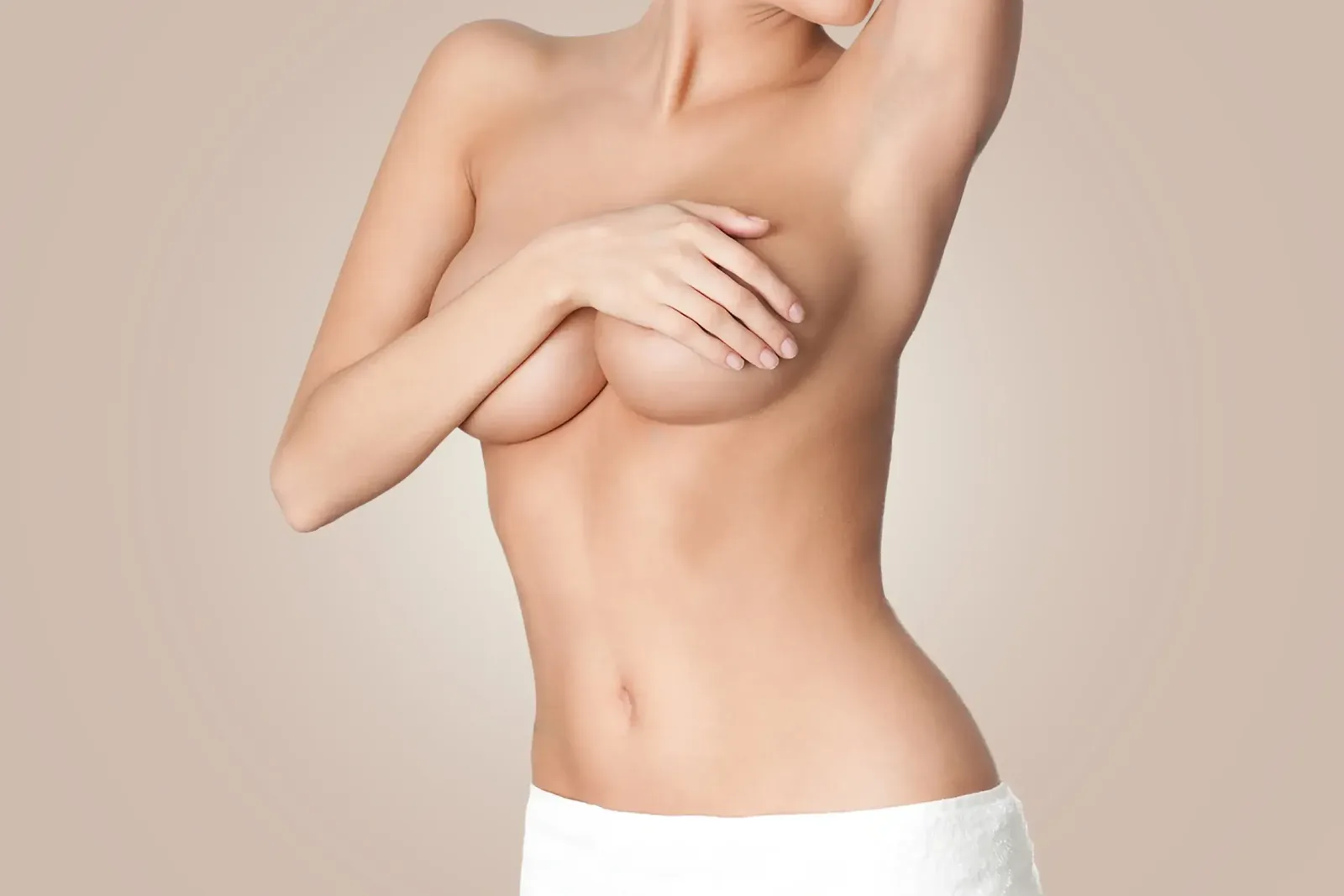
Breast Surgery
Tuberous breast correction: Improving shape and confidence
Enhances the size and shape of the breasts by inserting breast implants or the patient’s own fat.
Desde 3500€

Estimate your financing
74 €/mo
Indicative simulation: 0% up to 12 months; 9.5% nominal thereafter. Amount €250–€40,000. Financing subject to lender approval; APR per conditions.
Surgery duration
60 minutes
Anesthesia
General
Postoperative Rest
24 hours
Visible effects
Immediately
Recovery
1 week
Results
Life-long
Implants brand
Motiva®
We are not a franchise
We have our own medical team
What are tubular breasts?
Tubular breasts are a congenital malformation of the breast that occurs during puberty. This condition, also known as tuberous breasts, is characterized by abnormal development of the breast tissue, resulting in breasts with an elongated shape, narrow base, and a cylindrical or tubular appearance. Additionally, the areola is often enlarged, and there is frequently significant asymmetry between the breasts.
How Is a tubular breast correction procedure performed?
The correction of tubular breasts is a specialized surgical procedure aimed at giving the breasts a more rounded and natural shape. The process typically includes the following steps:
- Initial Evaluation: The surgeon assesses the severity of the condition and discusses available options with the patient, ensuring that expectations are realistic.
- Surgical Techniques: The procedure may involve releasing constrictive breast tissue, placing implants for added volume, and reshaping the glandular tissue. In some cases, the nipple position is adjusted to achieve a more symmetrical appearance.
- Closure and Recovery: The incisions are carefully closed to minimize potential scarring. Recovery involves following the surgeon's instructions to ensure proper healing and optimal results.
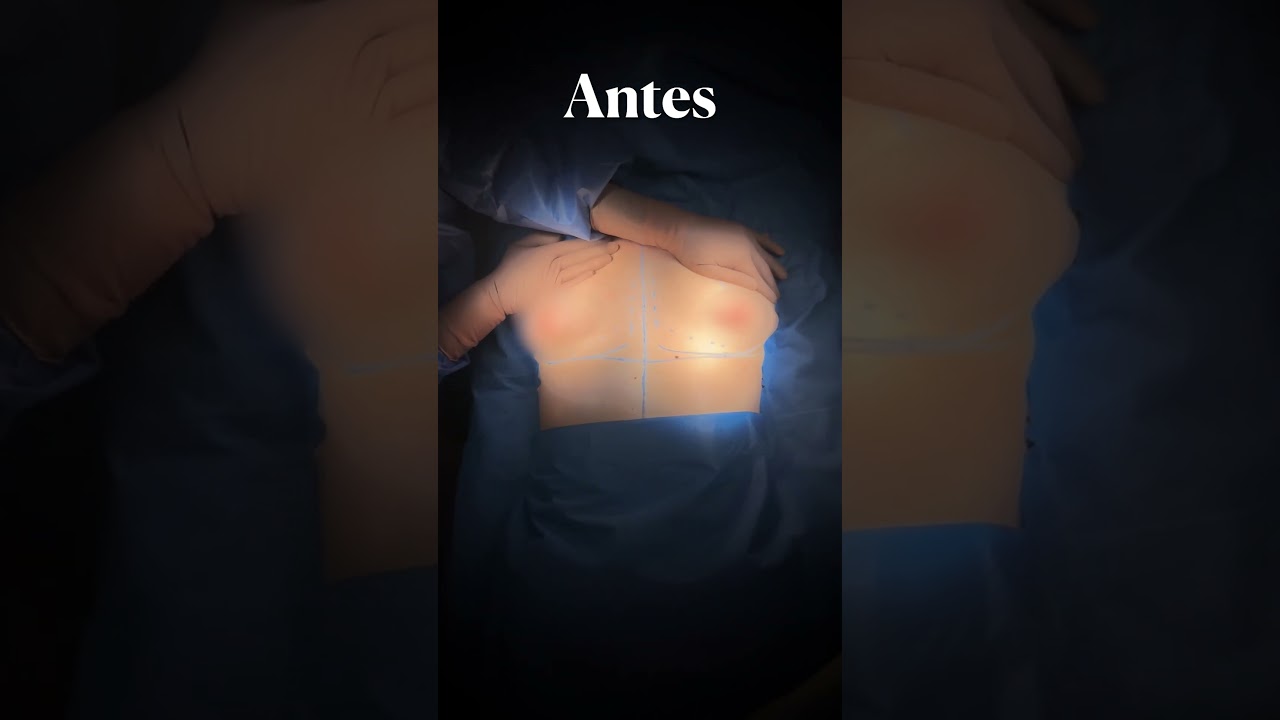
Before and after the tubular breasts surgery
Who is a good candidate for tuberous breast correction?
The ideal candidate is someone with a congenital malformation of the breasts who wishes to improve their shape, symmetry, and proportion. The surgery is generally suitable for individuals with a narrow breast base, enlarged areolas, and significant asymmetry.
The procedure is recommended for individuals in good overall health, without any conditions that may affect healing or recovery. It is also important that breast surgery be performed once the breasts have fully developed, typically around the age of 18.
Additionally, it is recommended that the patient understands both the benefits and limitations of the procedure. In some cases, the surgery may be combined with breast implants, mastopexy, or glandular tissue remodeling for a more balanced result. It is essential that the patient is willing to follow pre- and post-operative medical instructions to ensure optimal recovery and minimize the risk of complications.
Preoperative tests for tubular breast surgery
Before surgery, tests will be conducted to ensure the patient is in optimal condition for the procedure:
- Blood Tests: To evaluate coagulation and other health factors.
- Breast Screening (Mammography) or Ultrasound: To gain a clear view of the breast tissue and plan the surgery.
Postoperative care for tubular breast surgery
After surgery, it is crucial to follow the surgeon's recommendations to ensure proper recovery:
- Incision Care: Keep the incisions clean and dry to prevent infection.
- Use of Postoperative Bras: Wear special bras that provide support without compromising healing.
- Avoid Intense Activities: During the first few weeks, avoid lifting heavy objects and intense activities that may affect the treated area.

How much does tubular breast correction cost?
The cost of tubular breast correction varies depending on the complexity of the case and the clinic. The average price typically ranges from €3,500 to €5,500. It is important to consider both the cost and the surgeon's experience, as well as the quality of care received.
Factors that influence the price of tubular breast correction
- Degree of Correction Required: The severity of the deformity and the level of correction needed can affect the cost.
- Surgical Technique Used: Some techniques are more complex and may require more time and resources, which increases the price.
- Use of Implants: The use of breast implants may increase the total cost.
- Additional Materials: In some cases, additional materials such as skin grafts or tissues may be needed, which affects the price.
- Duration of Surgery: The longer the procedure, the higher the associated cost.
- Postoperative Care: The amount and type of postoperative care required, such as follow-up visits or additional treatments, can also influence the overall cost.

Frequently asked questions about tuberous breasts
- What brand are the implants?
- Is tuberous-breast surgery painful?
- How long does recovery take?
- Are implants necessary to correct tuberous breasts?
- Does the surgery affect sensation?
- Will the scars be visible?
- When will I see the final results?
- What risks are associated with correcting tuberous breasts?
- Infection: As with any surgery, there’s a risk of infection if post-op care isn’t followed.
- Visible scarring: Scars are usually small, but some patients may develop more noticeable marks depending on the technique and healing.
- Asymmetry: Perfect symmetry can be difficult to achieve because of natural differences between breasts.
- Loss of sensation: Temporary or, rarely, permanent numbness—especially in the nipples—can occur.
- Implant issues: If implants are used, there is a risk of shifting, rupture, or capsular contracture, which might require additional surgery.
- Skin or tissue necrosis: Very rarely, compromised blood flow can cause tissue loss.
- Breast-feeding challenges: Certain techniques may affect future breast-feeding.
- What if I don’t want to replace my implants and prefer to remove them?
- Can I switch from saline to silicone implants, or vice versa?
- Will the surgery affect breast-feeding?
- Do I need a special bra after surgery?
- Do tuberous breasts affect health or just appearance?
- Is asymmetry normal with tuberous breasts?
- Can tuberous breasts be corrected without surgery?
- At what age can this surgery be done?
- From age 18, once breast development is complete. In exceptional cases with severe deformity and emotional distress, earlier surgery may be considered with thorough medical evaluation and family consent.
Clínica EGOS uses only Motiva, one of the highest-quality implant brands available, prized for its comfort and aesthetics. The implants provide a very natural-looking result.
The procedure is performed under anesthesia, so you won’t feel pain during the operation. Post-operative discomfort is managed with prescribed medication.
Initial recovery is usually 1–2 weeks, but you should avoid strenuous physical activity for about 4–6 weeks.
While not strictly mandatory, implants are generally essential for a successful correction because they let the gland reshape and expand. Alternatives—such as fat grafting or tissue rearrangement—can be used alone or in combination with implants.
Right after surgery you may lose sensation around the areola, but it typically returns gradually over the following days.
Incisions are placed in discreet areas and tend to fade over time, making scars minimally noticeable.
You can expect to see the definitive outcome in roughly 3–6 months, once swelling has fully subsided.
mplants can be removed without replacement. In that case, a breast lift may be recommended to improve contour and appearance.
Yes. You can choose a different implant type, depending on your preferences and your surgeon’s advice.
In most cases, no. However, lifts or major reshaping can sometimes have an impact. Discuss your plans with your surgeon.
Yes. A surgical or sports bra should be worn for the first few weeks to support the breasts, reduce swelling, and aid healing.
They primarily affect aesthetics, but the unusual shape can influence self-esteem. Physically, tuberous breasts are not dangerous.
Is asymmetry normal with tuberous breasts?
Unfortunately, no. Because the condition stems from structural tissue differences, only surgery can reshape the breast base and, if needed, reduce an enlarged areola.
From age 18, once breast development is complete. In exceptional cases with severe deformity and emotional distress, earlier surgery may be considered with thorough medical evaluation and family consent.
Yes, but pregnancy and breast-feeding can change breast shape again. If you plan to become pregnant soon, your surgeon may suggest postponing the procedure or modifying the technique to protect future breast-feeding ability.

How we work
Your journey, step by step
First assessment
We study your case and listen to your goals to design a fully personalised plan.
A plan for you
We explain the technique, the expected result and the price with full transparency.
Safe procedure
An expert surgeon performs the procedure, always prioritising your safety.
Close follow-up
We support you throughout the recovery until you are fully healed.
4.9 / 5
Excellent · 10.000 reviews
Other treatments in breast surgery
Breast reconstruction
It improves the quality of life for women who have undergone a mastectomy by restoring the shape and symmetry of the breasts, helping to boost their self-esteem and emotional well-being.
ViewBreast Implant Removal
Aesthetic and functional improvements, renewing the patient’s appearance and confidence.
ViewPeriareolar scar correction.
Enhances the size and shape of the breasts through the insertion of breast implants or the use of the patient’s own fat.
ViewGynecomastia
Correction of Enlarged Male Mammary Glands
ViewWhere to get tuberous breast
No obligation
Book your appointment and take the first step
Book a personalised assessment with our team of surgeons. We answer all your questions and design a plan tailored to you, with full transparency.