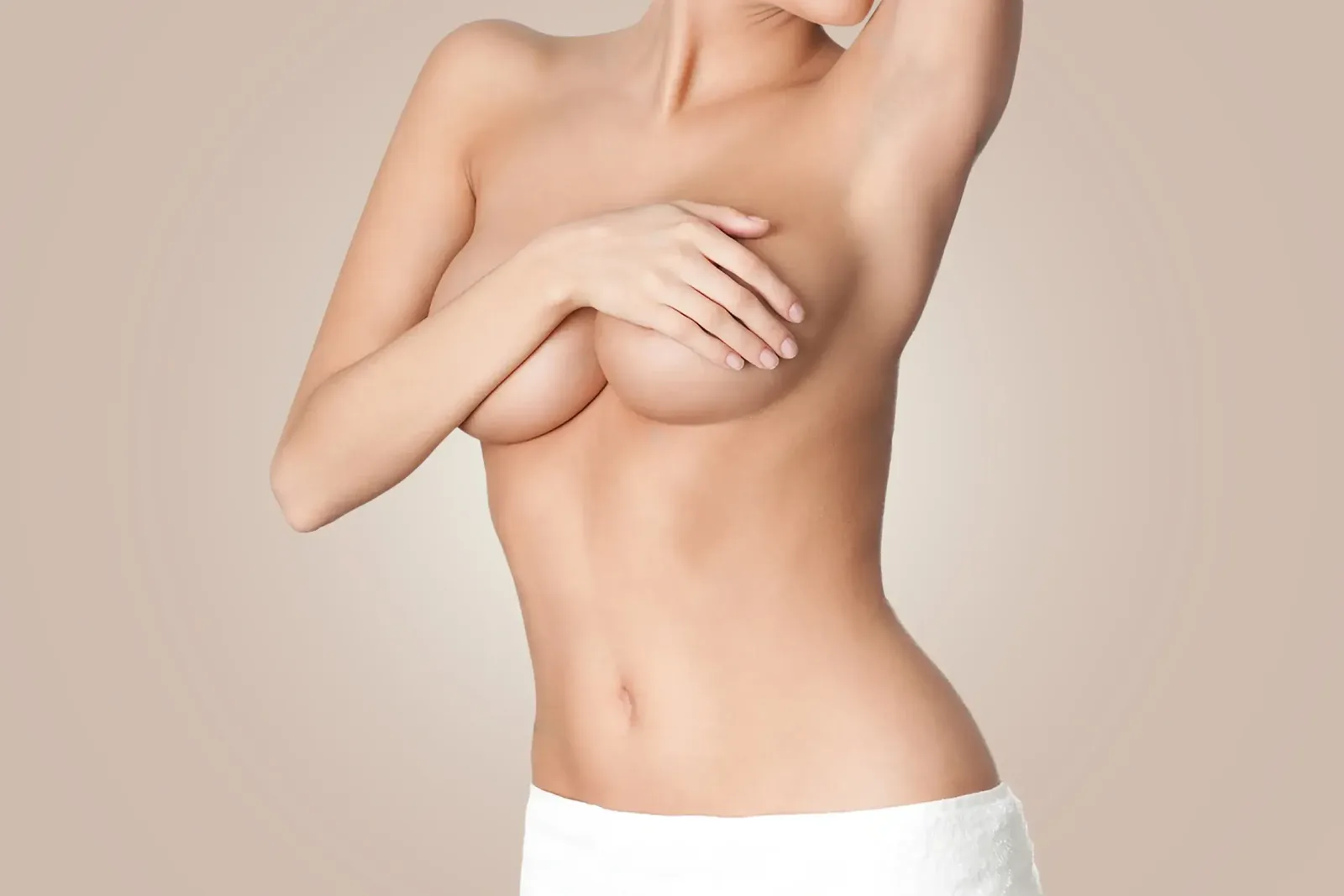
Breast Surgery
Breast reconstruction: Restore your femininity
It improves the quality of life for women who have undergone a mastectomy by restoring the shape and symmetry of the breasts, helping to boost their self-esteem and emotional well-being.
Desde 5950€

Estimate your financing
125 €/mo
Indicative simulation: 0% up to 12 months; 9.5% nominal thereafter. Amount €250–€40,000. Financing subject to lender approval; APR per conditions.
Surgery duration
60 minutes
Anesthesia
General
Postoperative rest
No rest required
Visible effects
2-8 months
Recovery
1 week
Results
Life-long
Implants brand
Motiva®
We are not a franchise
We have our own medical team.
What is breast reconstruction with implants?
Breast reconstruction surgery is a surgical procedure aimed at restoring the shape, size, and appearance of the breast after a mastectomy (removal of the breast due to breast cancer) or following an injury or congenital malformation. This procedure helps women regain their body image and improve their self-esteem by providing results that are as natural-looking as possible.
How is a breast reconstruction procedure performed?
It is important to remember that breast cancer is one of the most common diseases affecting women. In many cases, treatment requires a mastectomy, which involves the removal of one or both breasts. This can be a complex and emotional experience for women, both physically and psychologically. Breast reconstruction surgery can be an effective solution, helping to restore confidence, particularly after battling breast cancer.
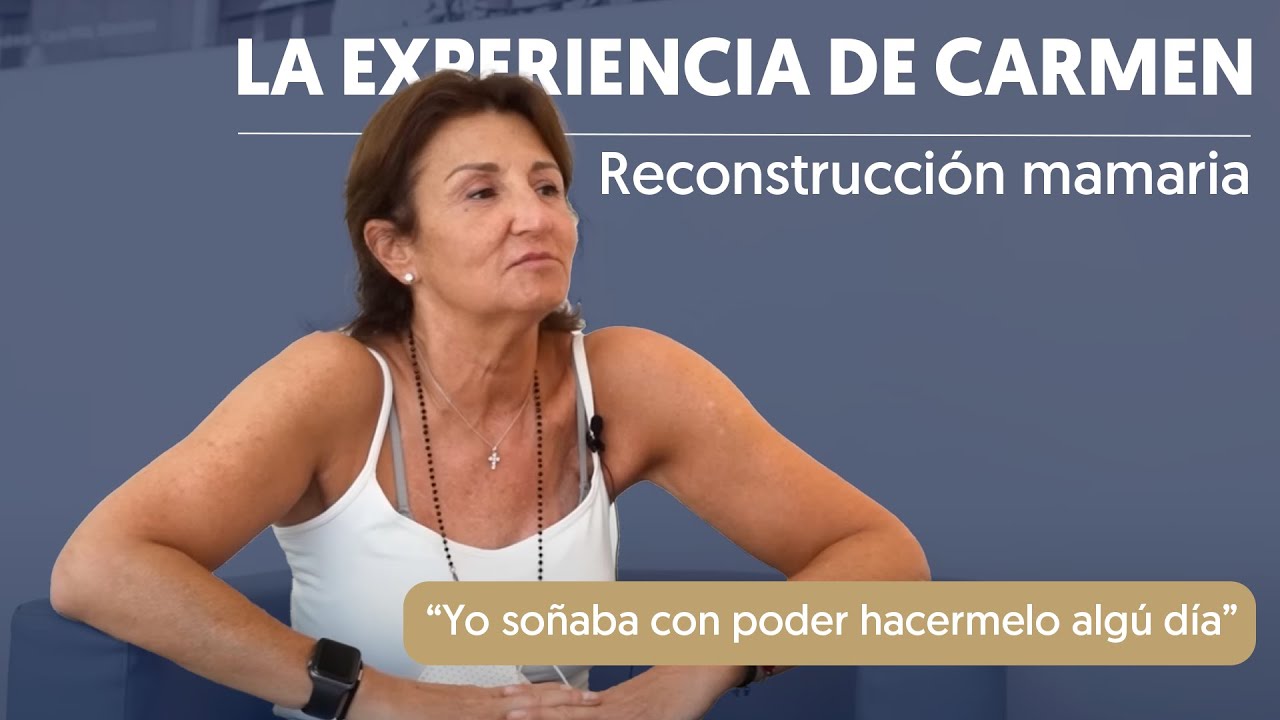
- Breast reconstruction with implants
- Reconstruction with Own Tissue
- Mixed reconstruction
Silicone or saline breast implants are commonly used to recreate the shape of the breast. These implants are safe, long-lasting, and designed to provide a natural appearance.
This method uses tissue from other parts of the body, such as the abdomen, back, thighs, or buttocks, to rebuild the breast. Known as a free flap or pedicled flap, depending on how the tissue is transferred, this option provides a natural, long-term solution.
This technique combines the use of breast implants with the patient’s own tissue, creating a stable and natural base for the reconstructed breast.

Who is a good candidate for breast reconstruction?
The ideal candidates for breast reconstruction surgery with implants are generally slim women with small breasts, elastic skin, and intact pectoral muscles. Skin quality plays a key role in determining if this procedure is suitable. Women who have undergone radiotherapy may not be suitable candidates, as radiation can damage chest tissue.
Preoperative tests
The preoperative process for breast reconstruction includes an individual evaluation and surgical planning to ensure the best results. Patients may need to suspend certain medications, and tests such as blood analysis, electrocardiograms, and chest X-rays will be performed. Antiseptic soap is recommended in the days prior, and smoking should be avoided to reduce risks. Hospitalization typically lasts two days for proper monitoring after the surgery.
Postoperative care for breast reconstruction with implants
After breast reconstruction, it is normal to experience fatigue and pain for the first one or two weeks, which can be alleviated with medication. Drainage may be placed to remove excess fluid, and patients will receive instructions on wound and drainage care. It is essential to wear support garments. After one or two weeks, most women can resume their normal activities, but swelling may take up to 8 weeks to subside. Full tissue recovery can take one to two years.

How much does a breast reconstruction cost?
The cost of breast reconstruction varies based on the type of reconstruction performed and the number of procedures required.
Factors influencing the price of breast reconstruction
- Reconstruction Method: Costs vary depending on whether implants, expanders, or tissue from the body (flaps) are used.
- Materials Used: The type of implant or additional materials like meshes or grafts can influence the price.
- Duration of the Procedure: Longer surgeries typically incur higher costs.
- Number of surgeries: Multiple surgeries may be necessary to achieve the desired results, increasing the overall cost.
- Postoperative Care: The type and extent of postoperative attention, including follow-up reviews, also affect the total cost.

Frequently asked questions
- What brand are the implants?
- Is immediate or delayed breast reconstruction better?
- Will sensitivity be preserved after surgery?
- What are the risk factors associated with breast reconstruction?
- Infection: As with any surgery, there is a risk of infection in the treated area.
- Implant or material rejection: When implants or foreign materials are used, there is a risk that the body may reject them.
- Healing problems: There may be slow healing or the formation of thicker-than-expected scars.
- Asymmetry: After surgery, the reconstructed breasts may not be perfectly symmetrical.
- Loss of sensation: There may be temporary or permanent loss of sensation in the chest area.
- Tissue necrosis: In rare cases, tissue death can occur due to inadequate blood circulation in the operated area.
- Capsular contracture formation: In some cases, an internal scar may form around the implant, which can cause tightness or pain.
- Is it necessary to use implants?
- Can I combine this procedure with other breast procedures?
- Is the result permanent?
- Does lactation affect the correction of tuberous breasts?
- When can I see the final results?
- What is the best technique for breast reconstruction?
At EGOS, we proudly use only the highest-quality implants: Motiva implants. Known for their exceptional comfort, natural feel, and beautiful aesthetic results, Motiva implants deliver a highly realistic and flattering appearance.
Both options have benefits, and the choice depends on the patient’s individual situation. Immediate reconstruction is performed during the mastectomy, minimizing the number of surgeries. Delayed reconstruction may be preferred for women needing time to heal or undergoing treatments like radiation therapy. Your surgeon will guide you in choosing the best option.
The preservation of sensitivity after surgery varies. In some cases, sensation may be reduced or altered, especially if nerves were affected during the mastectomy. However, some women experience restored or retained sensation after reconstruction, particularly when their own tissue is used. It's important to discuss this with your surgeon.
The risks associated with breast reconstruction include:
Implants are a common option for breast reconstruction, but not the only one. Some women may choose autologous tissue (using their own tissue) to create a more natural look and feel. Your surgeon will discuss the best approach based on your health and personal preferences.
Yes, it is possible to combine breast reconstruction with other procedures, such as a breast lift, reduction, or augmentation of the other breast to achieve symmetry and balance. Your surgeon will review your individual needs and discuss the potential benefits and risks of combining procedures.
Breast reconstruction results are generally long-lasting, but changes can occur over time due to aging, weight fluctuations, pregnancy, or other health conditions. Regular follow-ups with your surgeon will help maintain the best possible results.
Lactation can affect breast shape, especially in cases of tuberous breasts, but it generally doesn’t interfere with correction surgery. However, pregnancy and breastfeeding may alter breast tissue, so some women prefer to undergo reconstruction after completing their family planning.
You will begin to see the results of your breast reconstruction soon after surgery, but the final outcome may take several months to a year. This allows time for the breasts to settle into their new shape and for swelling and scarring to subside. Patience is essential during the recovery process, and your surgeon will guide you through each stage.
The best technique depends on your body type, medical history, and aesthetic goals. Some women may benefit from implant-based reconstruction, while others may prefer using their own tissue for a more natural look. Your surgeon will help you explore all available options to achieve the best and most natural result.

How we work
Your journey, step by step
First assessment
We study your case and listen to your goals to design a fully personalised plan.
A plan for you
We explain the technique, the expected result and the price with full transparency.
Safe procedure
An expert surgeon performs the procedure, always prioritising your safety.
Close follow-up
We support you throughout the recovery until you are fully healed.
4.9 / 5
Excellent · 10.000 reviews
Other treatments in breast surgery
Tuberous breast
Enhances the size and shape of the breasts by inserting breast implants or the patient’s own fat.
ViewBreast Implant Removal
Aesthetic and functional improvements, renewing the patient’s appearance and confidence.
ViewPeriareolar scar correction.
Enhances the size and shape of the breasts through the insertion of breast implants or the use of the patient’s own fat.
ViewGynecomastia
Correction of Enlarged Male Mammary Glands
ViewWhere to get breast reconstruction
No obligation
Book your appointment and take the first step
Book a personalised assessment with our team of surgeons. We answer all your questions and design a plan tailored to you, with full transparency.