Skip to content

Breast Surgery

Breast augmentation: Get the size and shape you want

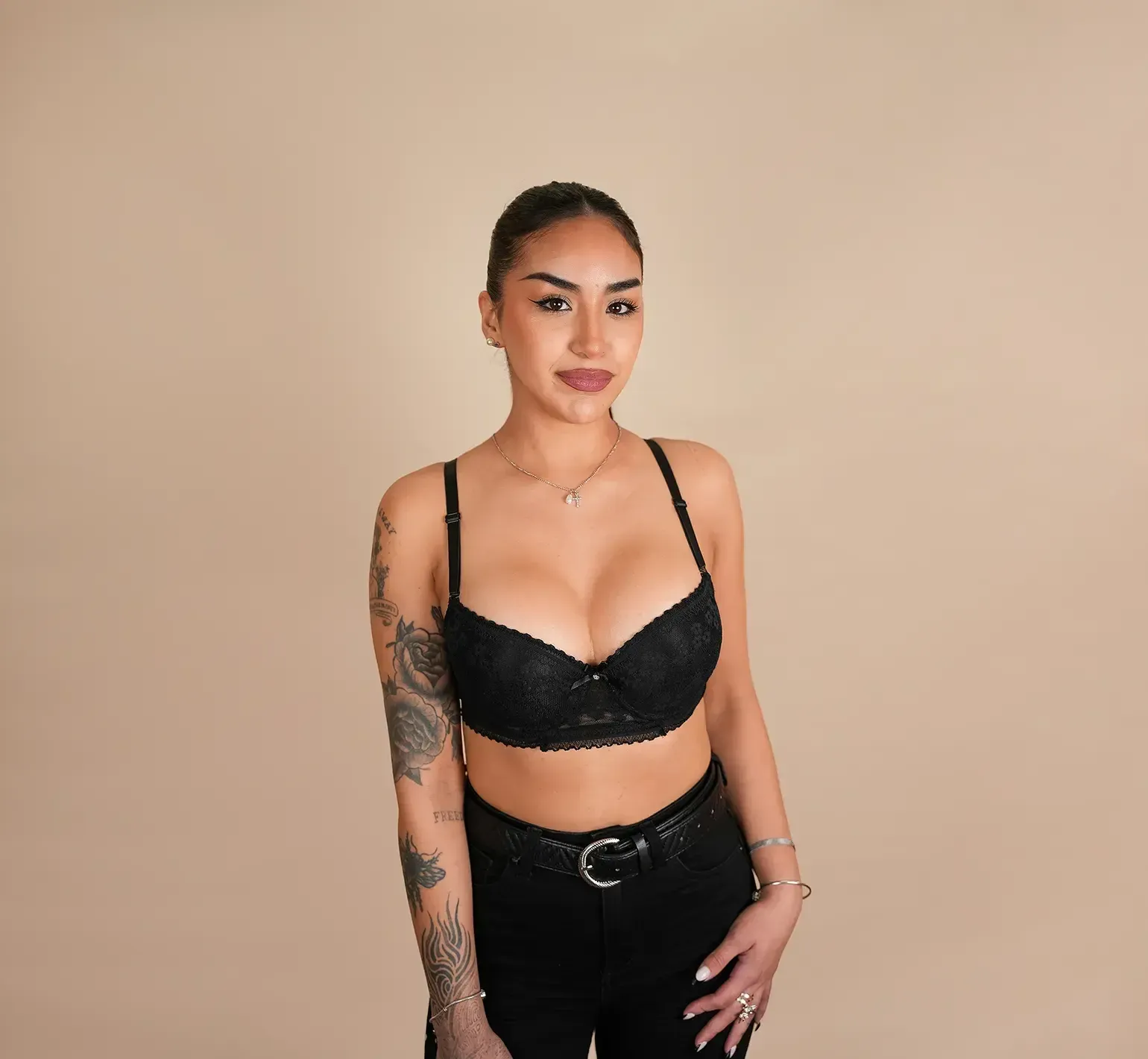
Enhances the size, shape, and contour of the breast

4595€Desde 4395€

Breast augmentation

Estimate your financing

Amount4395
months

92/mo

Book a consultation

Indicative simulation: 0% up to 12 months; 9.5% nominal thereafter. Amount €250–€40,000. Financing subject to lender approval; APR per conditions.

Surgery duration

60 minutes

Anesthesia

General

Postoperative rest

24 hours

Recovery

1 week

Results

Life-long

Implants brand

Motiva®

We are not a franchise

We have our own medical team

¿What is breast augmentation?

Breast augmentation, also known as augmentation mammoplasty, is a popular cosmetic surgery aimed at improving the size, shape and symmetry of the breasts. This procedure is ideal for women who wish to enhance their breast volume, restore fullness lost after pregnancy, aging or weight loss or correct natural breast size asymmetries.

How is the breast augmentation procedure performed?

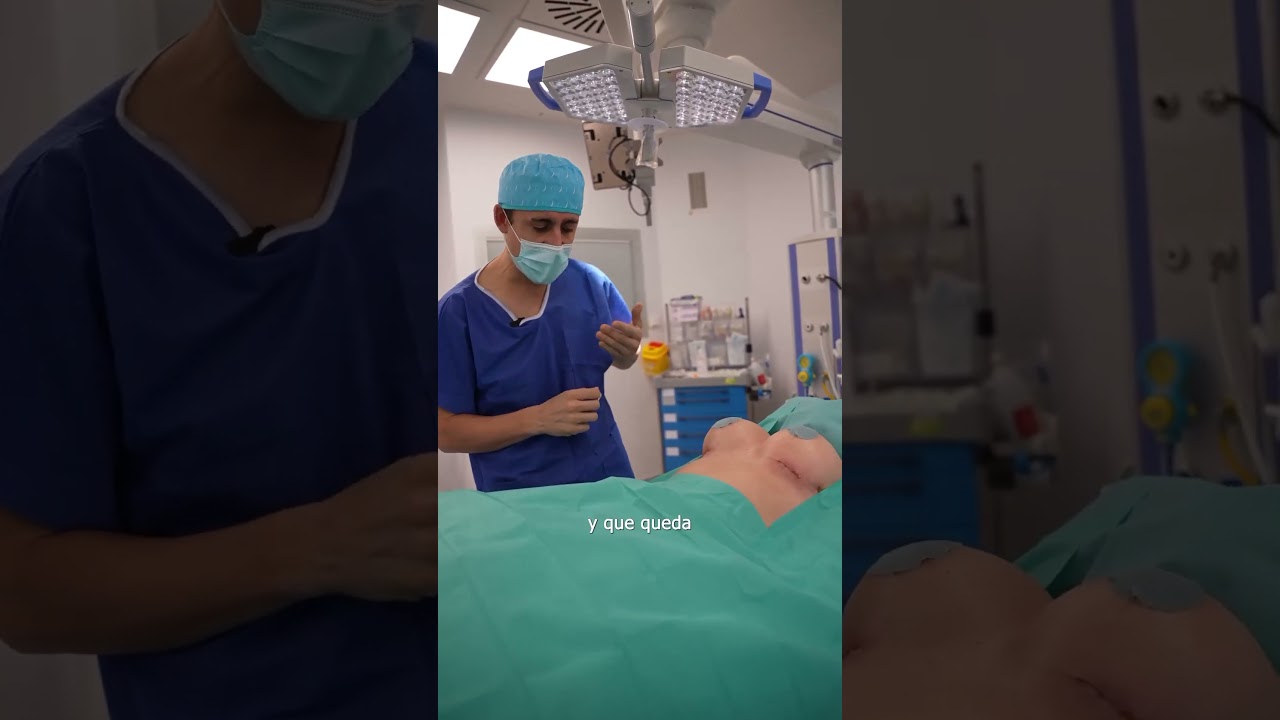
Breast augmentation is typically performed under general anesthesia, ensuring that the patient remains comfortable and pain-free during the procedure. Various techniques are available, allowing the procedure to be customized to each patient’s unique needs.

The location of the incision depends on factors such as the patient’s anatomy and the surgeon’s recommendations. Additionally, the type of implant placement is crucial in achieving optimal results.

Breast augmentation surgery can be performed using several incision types:
Peri-areolar

This incision barely leaves a visible mark along the line separating the nipple from the breast, though there may be some loss of nipple sensitivity.

Inframammary

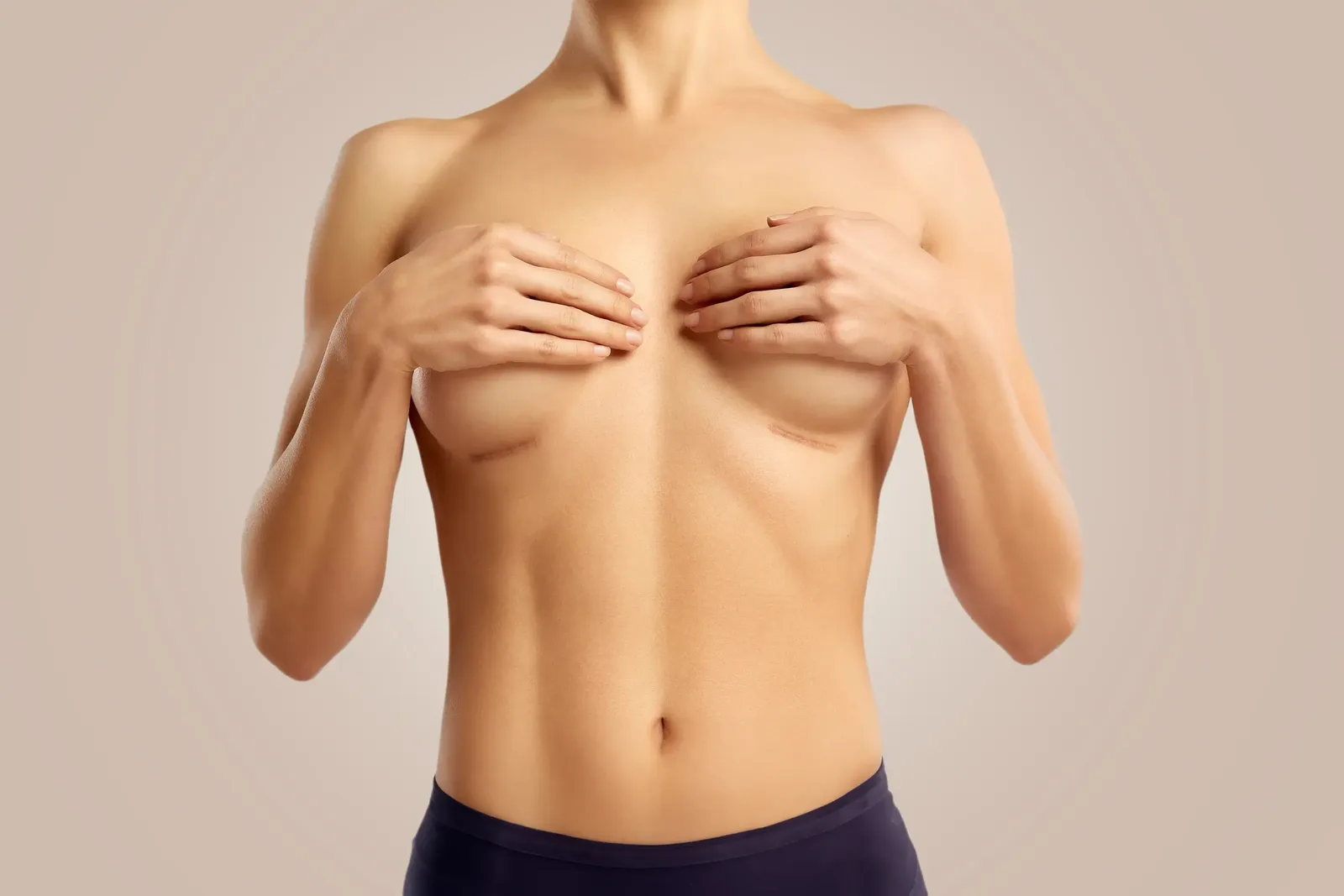
This is the simplest, least invasive technique, leaving a small scar hidden beneath the breast fold.

Trans-axillary

This incision leaves no visible marks but is more complex to perform.

How is the breast augmentation procedure performed?

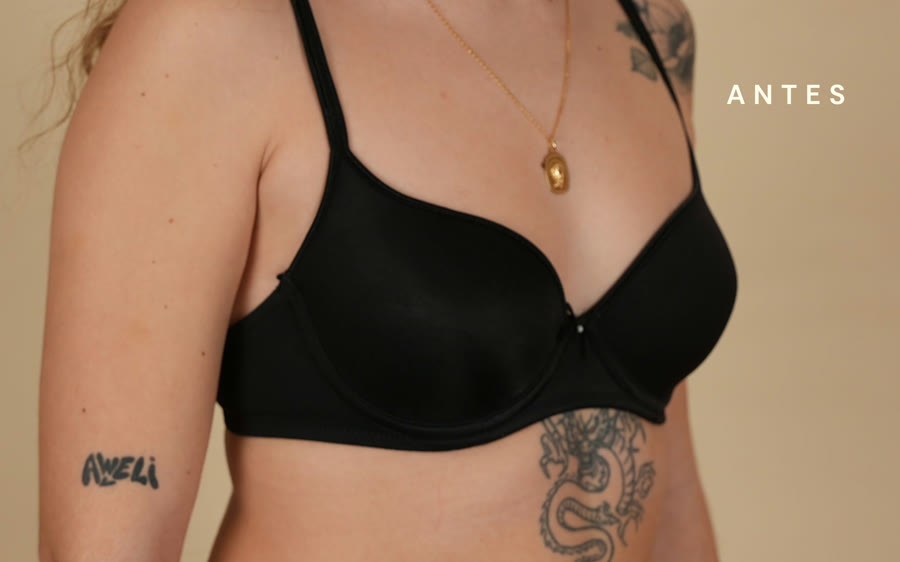
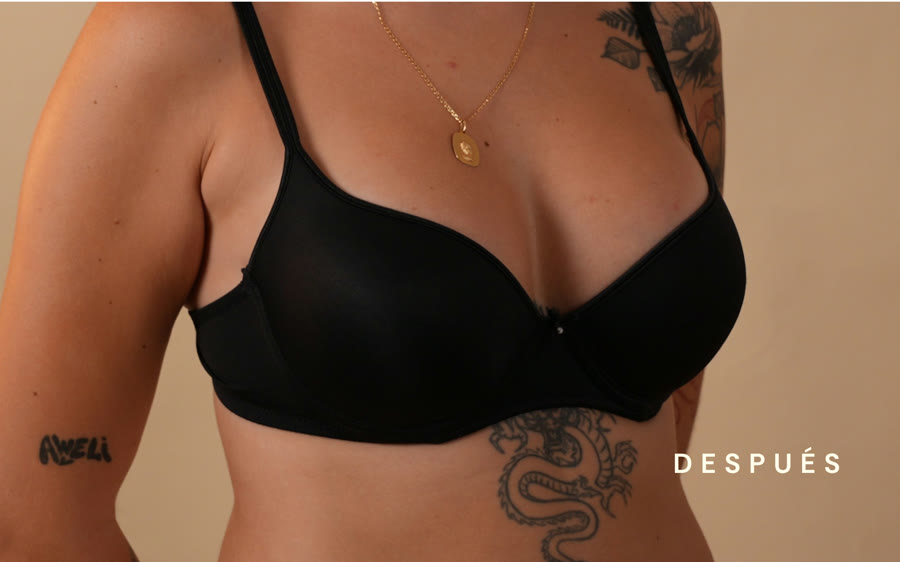
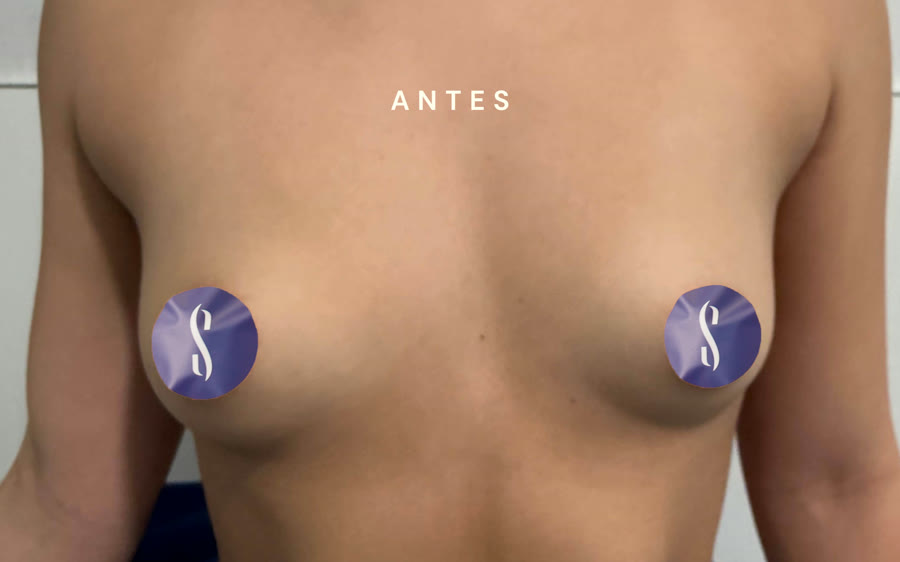
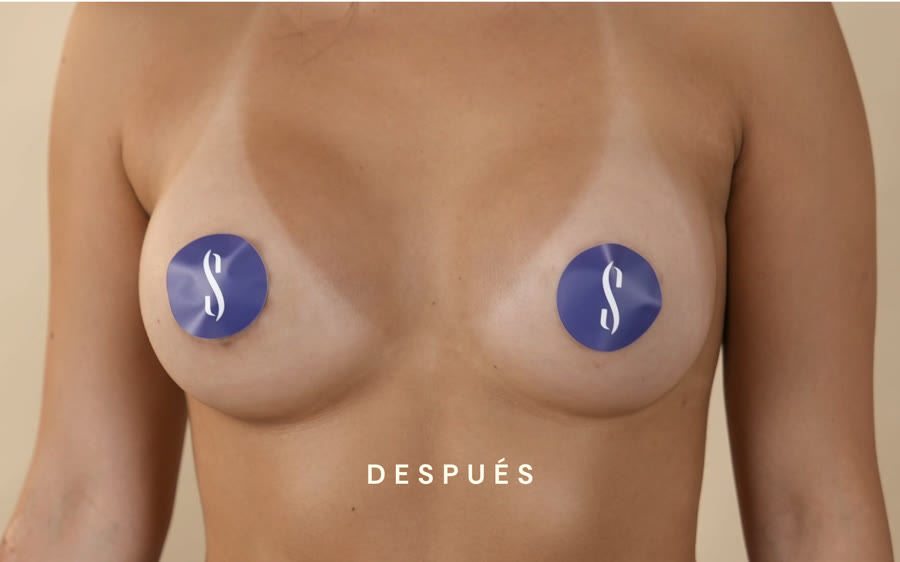
Before and after photos of a breast augmentation

Natural results with the best implants on the market.

Who is a good candidate for breast augmentation?

The ideal candidate for breast augmentation is any woman in good health with realistic expectations about the outcome. Many women opt for this procedure to enhance their self-confidence and achieve their aesthetic goals. During the first consultation, the surgeon will evaluate all relevant factors and assess your health condition.

Preoperative tests for surgery

Before undergoing breast augmentation surgery, patients are advised to undergo a series of preoperative tests to ensure optimal results. These may include:

  • Breast screening or mammogram: This will be assessed based on your age and family history of breast cancer.
  • Routine blood test and MRSA: These precautionary measures ensure a personalized evaluation for a safe surgical experience.

Postoperative care for breast augmentation surgery

To ensure optimal recovery after a breast augmentation, follow these guidelines:

  • Rest: Rest completely for the first 24-48 hours.
  • Medication: Take prescribed antibiotics to prevent infection.
  • Sleep on your back: This helps provide proper support.
  • Avoid strenuous activity: Refrain from lifting heavy objects or raising your arms too high.
  • Massage: After the third week, perform gentle massages to support recovery.
  • Sun protection: Follow sun protection instructions to avoid sun damage.

Cares

Benefits

Improved self-esteemBalanced physical appearanceCorrection of asymmetriesReinforcement of confidence

How much does breast augmentation cost?

The price for a breast augmentation varies depending on the complexity of the surgery and the techniques used. Prices start from €4595-7000€.

Factors influencing the price of breast augmentation

  • Surgical Technique: Certain methods, such as incision through the areola or breast fold, may affect the cost based on the complexity of the procedure.
  • Need for preoperative tests: Tests like blood analysis or mammograms can influence the overall cost.
  • Surgery duration: If the procedure is more complex and requires more time, the price will likely increase.
  • Postoperative care: Post-surgery care, including medical follow-ups, special dressings, or medications, will also influence the final cost.

How much does breast augmentation cost?

Frequently asked questions about breast augmentation

How long do breast implants last?

Breast implants typically last between 10 to 20 years, depending on factors such as implant type, individual body changes, and lifestyle. Regular check-ups are important to ensure the implants remain in good condition.

Do I need periodic check-ups after breast augmentation surgery?

Yes, regular follow-up appointments with your surgeon are essential to monitor the health of the breasts and ensure no complications arise. You may also need periodic mammograms or other breast imaging if necessary.

Do the implants feel natural?

Modern implants, especially silicone ones, feel very natural. They closely mimic the feel of natural breast tissue, offering a more realistic result than older implant types.

Can I breastfeed after a breast augmentation?

In most cases, breast augmentation does not interfere with breastfeeding. However, it’s essential to discuss your concerns with your surgeon, especially if you plan to have children in the future.

What are the risks associated with a breast augmentation?

The risks associated with breast augmentation include:

  • Infection: As with any surgery, there is a risk of infection in the operated area.
  • Capsular contracture: A complication in which the scar tissue that forms around the implant hardens, potentially causing pain and changes in breast shape.
  • Implant rupture: The implant may rupture or leak over time, which could require revision surgery.
  • Asymmetry: The breasts may not be perfectly symmetrical after the procedure.
  • Unfavorable scarring: In some cases, scars may be more visible or may not heal properly.
  • Temporary or permanent loss of sensation: A loss of sensation in the nipple or breast may occur.
  • Seroma or fluid accumulation: Fluid may build up around the implant, sometimes requiring drainage.
  • Skin or tissue necrosis: In rare cases, a lack of blood flow may lead to tissue death.
  • Implant rotation or displacement: The implants may move or shift position, potentially affecting appearance.
Does breast augmentation prevent future breast sagging?

While breast augmentation enhances breast volume and firmness, it does not prevent future sagging. If ptosis (sagging) is a concern, the procedure may be combined with a breast lift to provide better volume and lift.

Is it safe to fly after breast augmentation surgery?

Generally, it is safe to fly after a breast augmentation once you have fully recovered and received approval from your surgeon. However, it is recommended to avoid long flights during the initial recovery phase to minimize swelling and discomfort.

Is hospitalization required after breast augmentation surgery?

Most breast augmentation surgeries are performed on an outpatient basis, meaning you can return home the same day. However, you will need someone to drive you home, and a follow-up consultation is necessary to ensure proper healing.

Frequently asked questions about breast augmentation

How we work

Your journey, step by step

01

First assessment

We study your case and listen to your goals to design a fully personalised plan.

02

A plan for you

We explain the technique, the expected result and the price with full transparency.

03

Safe procedure

An expert surgeon performs the procedure, always prioritising your safety.

04

Close follow-up

We support you throughout the recovery until you are fully healed.

4.9 / 5

Excellent · 10.000 reviews

Other treatments in breast surgery

No obligation

Book your appointment and take the first step

Book a personalised assessment with our team of surgeons. We answer all your questions and design a plan tailored to you, with full transparency.

WhatsApp