
on Google
Facial Surgery · Barcelona
Otoplasty in Barcelona
Some ears have spent years hidden under the hair, and some young people have spent months wondering whether they want surgery. Otoplasty in Barcelona is approached differently depending on who is asking, and this page is written for people who are deciding for themselves: a young person who wants a say over their own body, or an adult who is tired of covering their ears.

Here you will find how the decision is made, what changes in daily life before and after the operation, how to organise work, studies and sport, who the surgeons on our team are, how to get to each of the five clinics in the city, and what a quote should include. The technique in detail is on our otoplasty page.
Who decides whether you have ear surgery?
Otoplasty, or ear surgery, is the operation that repositions or reshapes the ear when it sticks out, differs from its pair or has not fully formed properly. The most common reason is prominent ears. The American Society of Plastic Surgeons (ASPS) states on its website (reviewed in October 2026) that it can be carried out on both children and adults.
According to the ASPS, it is not an operation to please others but to please yourself: nobody should have surgery just because other people want it. It is a principle worth keeping in mind from the first consultation.
That is why the decision is yours here. Some people know from their teens, and others think about it for twenty years. Neither position is worth more than the other, and there is no deadline for deciding. What does help is testing yourself with a simple question: would my day-to-day life change if my ears stopped being an issue? If the answer is yes, it makes sense to book an appointment. If the main reason is what other people say, it is better to wait.
If you are young: what to be clear about first
A young person who wants surgery should be able to explain in their own words what bothers them and what they expect, without others doing it for them. According to the ASPS, the candidates who suit this surgery are healthy people with realistic goals.
Three things make the decision easier. The first is choosing the right moment: away from exams, competitions and trips, because the operation and the first few days call for calm. The second is understanding the aftercare, which is not complicated but cannot be neglected. The third is talking about it at home in good time, so that whoever goes with you knows beforehand what will be needed.
It is also worth remembering that going to the consultation does not commit you to surgery. You can go, look at your ears with the surgeon, hear what change is possible and go home to think it over.
A useful question to ask yourself is which specific situations you avoid because of your ears: the swimming pool, tying your hair back, a group photo, the wind. Naming those situations helps you tell whether the wish to have surgery comes from a real and constant discomfort or from a passing bad moment. People who arrive with that clarity usually get more out of the consultation, because they ask about what really matters to them.
What is the first otoplasty consultation in Barcelona like?
The surgeon looks at the ears from the front, from the side and from behind, and compares one with the other. They check how far they stick out, what the inner fold that should bring them back looks like, how deep the concha is, what the earlobe is like and what differences there are between the two. They usually show, with a hand, how the ear would look when moved back, so that you can see the kind of change that is possible. They also take baseline photographs and ask about medical history and allergies.
This is the moment to say what really worries you: the shape, the symmetry, the angle from which they bother you most. An ear does not look the same from the front as in profile, and what you see in the mirror does not always match what you see in a photo.
The operation: the essentials
It is done under local anaesthesia or, depending on the complexity of the case, general anaesthesia, and you go home the same day. The incision is made behind the ear, in the fold. Afterwards you wear a bandage for a few days and, for several weeks, a band at night.
Adults: hair, work and sport
A healthy adult who does not smoke and has clear goals can be a candidate, according to the ASPS. The medical side is short; what changes is the logistics.
*Work.* Talk to your employer if your job involves wearing a helmet or headphones, or physical effort. Normal activity is usually resumed after a week, and sport and anything that could knock the ears wait for at least a month.
*Sleep.* The headband is worn all night for the first few weeks, and you sleep on your back, avoiding resting on your ears. Anyone who usually sleeps on their side notices it in the first few days; a comfortable pillow and a little patience help.
*Hair.* It is not a problem: it is washed after a few days, gently and protecting the wounds from running water, and it does not need to be cut. Many people who have worn their hair long to cover their ears keep it that way for a while, out of habit, and cut it when they feel ready.
*Glasses and headphones.* If you use them every day, ask when you can go back to them, because for a few weeks they put pressure on the ears that is best avoided.
*Sport.* It is best to plan the operation outside your busiest periods and to go back to what you do with your head protected and without rushing. Each sport has its own timeline, and it is the surgeon who sets it.
During recovery, what will you notice and what needs care?
The most uncomfortable part is usually not pain but the headband and the care it requires. In the first few days the area is sensitive and feels tight; then the routine sets in: washing your hair carefully, sleeping on your back, avoiding knocks and tugs. You do not need to stay at home for weeks, but you should take it easy.
If something worries you between one check-up and the next, call the clinic before trying remedies on your own. The surgeon adjusts the instructions to each case, and if you have forgotten something you were told at the consultation, ask again: that is normal, and that is what the check-up is for.
What to expect from the result
The main change is one of position: the ear sits closer to the head and its fold is more defined. The result depends on each patient. Typically, the starting shape sets what can be achieved: not every ear can be made exactly alike, and the surgeon will explain, before operating, what is realistic in your case.
A practical tip is to bring to the consultation photos of yourself in profile, with your hair tied back, and from the front. They help you talk about what you see, and not only about what the surgeon sees.
Clínica EGOS surgeons for your otoplasty in Barcelona
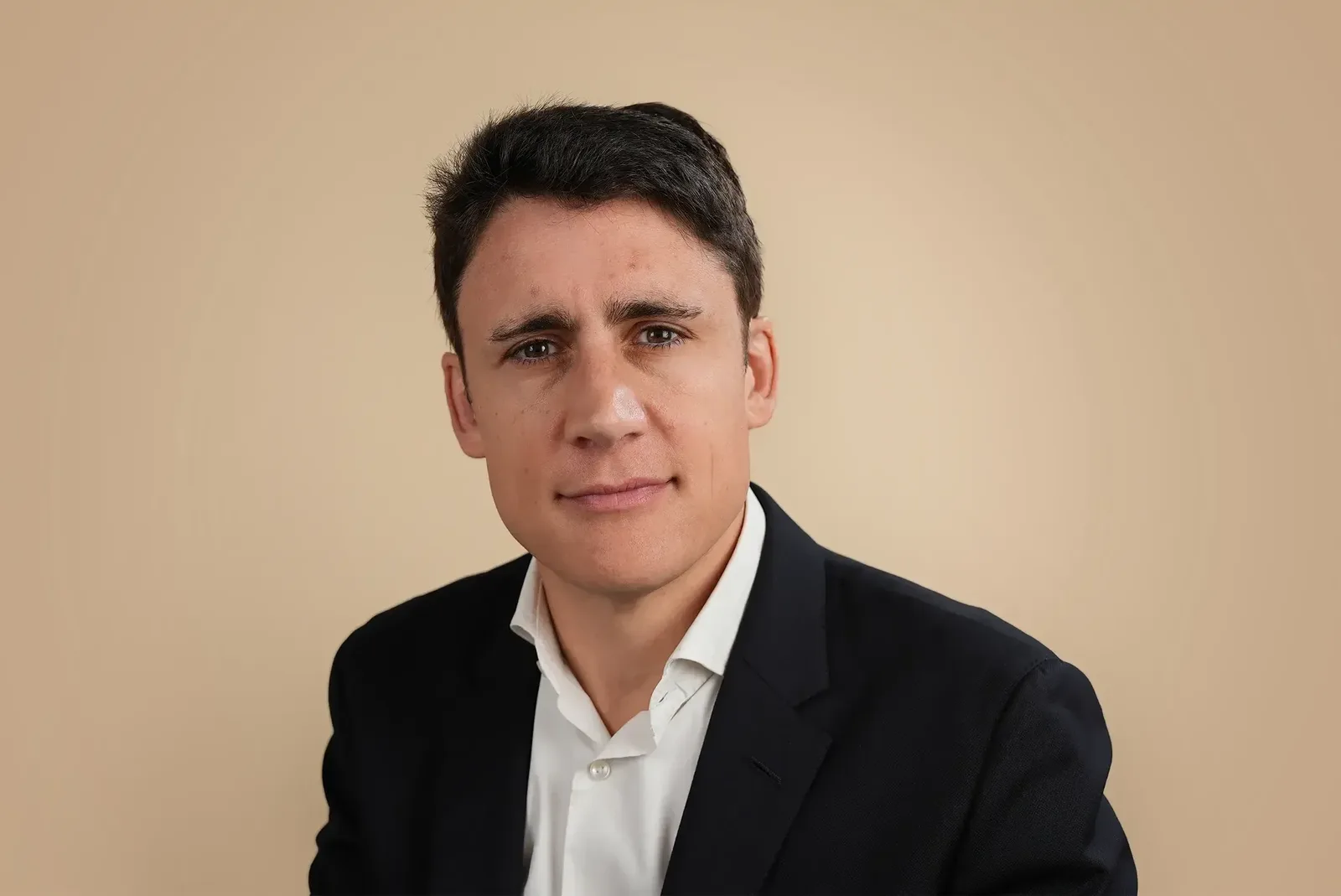
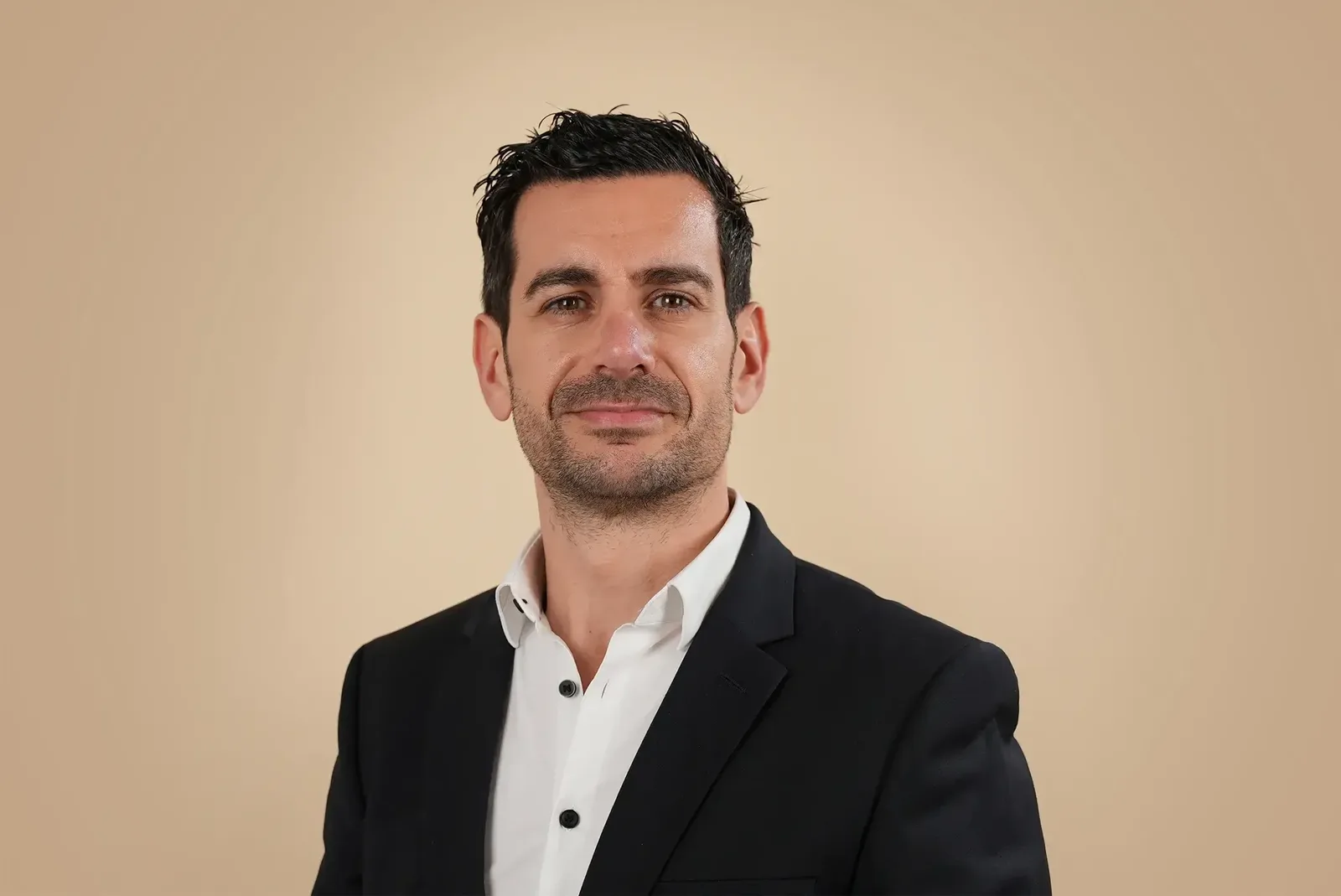
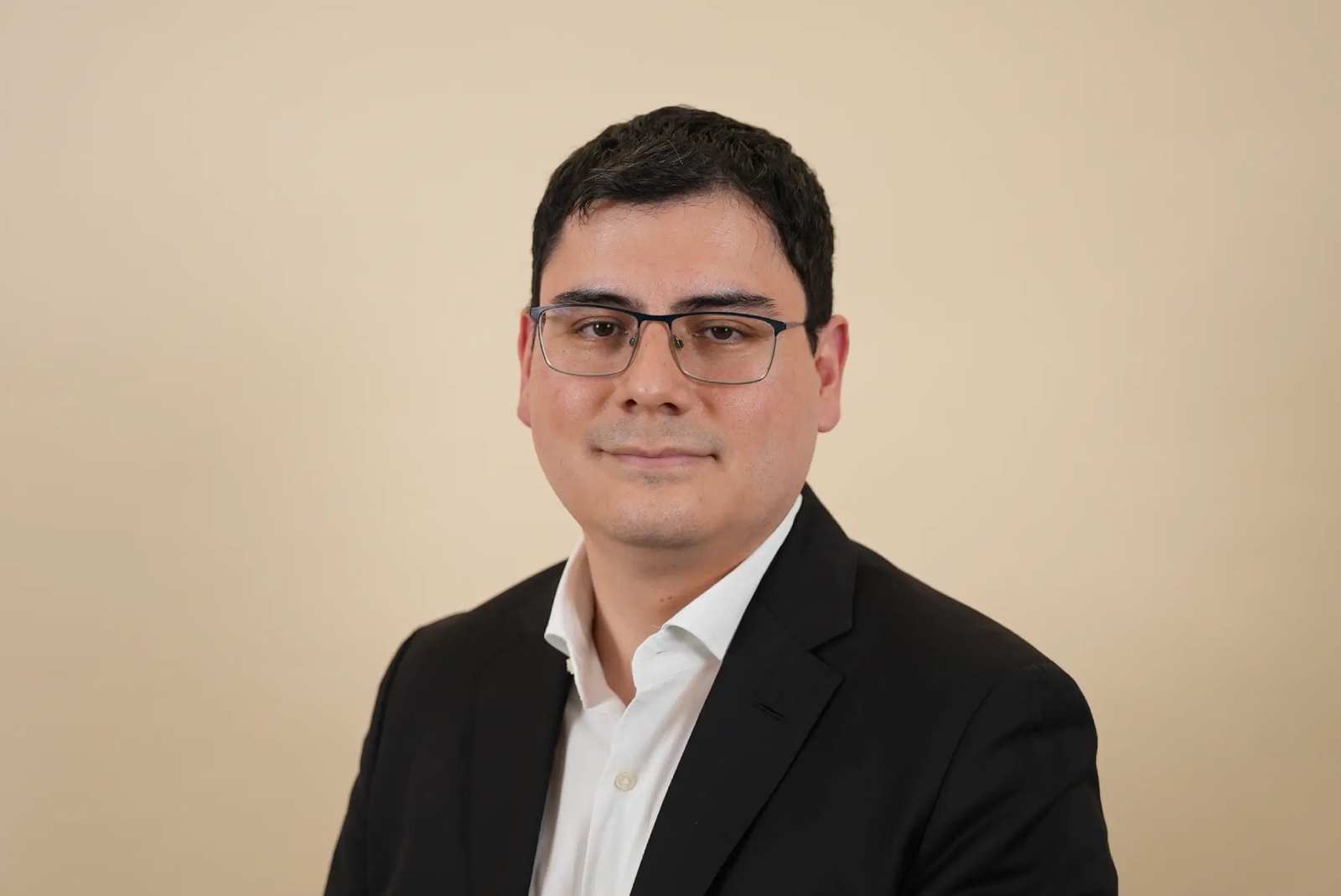
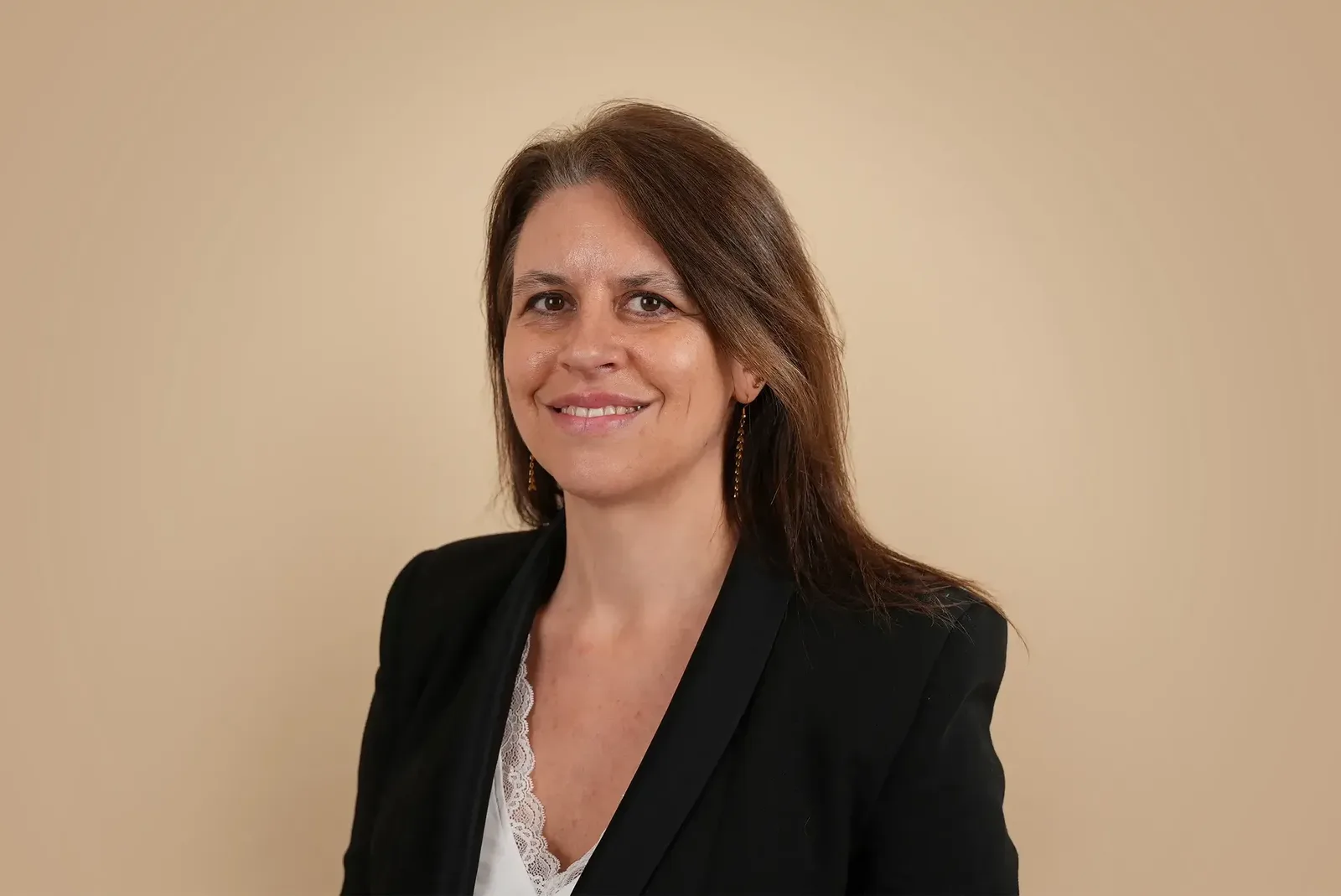
At the head of the plastic surgery team at Clínica EGOS is Dr Santiago Elvira i Barberà, plastic surgeon (registration no. 49756 with the medical association), co-founder of the clinic and author of our articles on otoplasty. He is the reference surgeon for this page on otoplasty, and he signs and reviews its content. In Barcelona, Dr Tiago Gomes (no. 44844), Dr Lorena Vives (no. 38736) and Dr Edgar Carmona (no. 57800) also have public profiles.
Before you book a date, we tell you in writing who will operate on you, with their registration number with the medical association, and at which centre, with its health registration number.
Where is each EGOS clinic in Barcelona?
You have five locations in the city, and you can start with Balmes, our cosmetic surgery clinic in Barcelona in Sant Gervasi.
Balmes and Madrazo
These are the two in the Sant Gervasi area: you can walk from Plaça Molina (L7) or from Sant Gervasi station (L6 and FGC).
Aribau
It is in the Eixample, and the nearest stops are Provença and Diagonal.
Guinardó
It is on Carrer Sardenya, and the nearest metro stop is Alfons X (L4).
Poblenou
It is on Avinguda Diagonal, 141, and you get there on the L4 to Poblenou, a little under half a kilometre on foot.
All appointments are booked on the same phone number, +34 932 71 80 69, or at info@clinicaegos.com.
The cost of otoplasty in Barcelona: what it includes and what it depends on
It costs different amounts to operate on one ear or both, and a first operation is not the same as a revision. The figure depends on what needs correcting and arrives in writing after the consultation.
It should cover the assessment visit, the fees of the surgeon and the anaesthetist, the operating theatre, the dressing materials and the follow-up appointments. We give it to you in writing, itemised.
Book your otoplasty consultation in Barcelona
The first consultation is for looking at the ears, answering your questions and deciding without pressure. It does not commit you to surgery.
Sources for this page
We relied on the ASPS (ear surgery: candidates and recovery) and on the public profiles of our surgeons; everything was read in October 2026.
Content reviewed by Dr Santiago Elvira i Barberà, plastic surgeon (registration no. 49756 with the medical association) · October 2026
For information only; it does not replace a consultation with a healthcare professional. The results of any procedure depend on each patient and are assessed individually. Clínica EGOS.
Where we treat you
Clínica EGOS Barcelona Guinardó
Carrer de Sardenya, 515, 08024 Barcelona
Clínica EGOS Barcelona Madrazo
Carrer dels Madrazo, 60-66, Sarrià-Sant Gervasi, 08006 Barcelona
Clínica EGOS Barcelona Poblenou
Av. Diagonal, 141, Sant Martí, 08018 Barcelona
Frequently asked questions
Where do I book my first assessment?
We see patients for consultations at Balmes, Aribau, Guinardó, Madrazo and Poblenou; the phone number and email are the same for all five.
Up to what age can an adult have the operation?
The ASPS sets no limit: what counts is health and not smoking. The surgeon assesses this at the consultation.
How much does otoplasty cost in Barcelona?
It depends on whether one or both ears are operated on, the type of anaesthesia and the technique. After the first assessment you receive a written, itemised quote.
Is otoplasty done under local anaesthesia?
It can be done under local anaesthesia or, depending on how complex the case is, general anaesthesia. Either way, you go home the same day.
When can I go back to work and sport?
Normal activity is usually resumed after about a week. Sports and anything that could knock the ears wait at least a month; the surgeon sets the exact timing.
How long do I wear the dressing and the headband?
The dressing stays on for a few days and, after that, a headband is worn at night for several weeks. In the meantime you sleep on your back, without resting on your ears.
Where is the scar?
The incision is made behind the ear, in the crease, so the scar sits in an area that is not very visible.
No obligation
Book your appointment and take the first step
Book a personalised assessment with our team of surgeons. We answer all your questions and design a plan tailored to you, with full transparency.