Skip to content

Facial Surgery

Blepharoplasty: Say goodbye to dark circles and drooping eyelids

Precisely and safely reduces excess skin and fat in the eyelids.

2000€Desde 1795€

Blepharoplasty

Estimate your financing

Amount1795
months

38/mo

Book a consultation

Indicative simulation: 0% up to 12 months; 9.5% nominal thereafter. Amount €250–€40,000. Financing subject to lender approval; APR per conditions.

Surgery duration

60 minutes

Anesthesia

General

Postoperative rest

Not necessary

Visible effects

1 week

Recovery

4 days

Results

Life-long

We are not a franchise

We have our own medical team

What is Blepharoplasty?

Blepharoplasty is a cosmetic and functional surgery designed to correct excess skin, fat, or muscle in the upper and lower eyelids. This procedure can rejuvenate the appearance of the eyes or improve the visual field in cases of drooping eyelids. It is a safe procedure when performed by a qualified plastic surgeon and can be combined with other techniques to optimize results.

How is the Blepharoplasty procedure performed?

Blepharoplasty is an outpatient procedure typically performed under local anesthesia, though general anesthesia may be used in certain cases. The surgeon makes precise incisions along the natural lines of the eyelids to minimize visible scarring. Excess skin, fat, or muscle contributing to a fatigued or aging appearance is removed through these incisions.

For upper eyelids, the incision is made along the eyelid fold, while for lower eyelids, it may be placed just below the lashes or inside the eyelid. Once the excess tissue is removed, the surgeon closes the incisions with fine sutures that dissolve on their own or are removed after a few days.
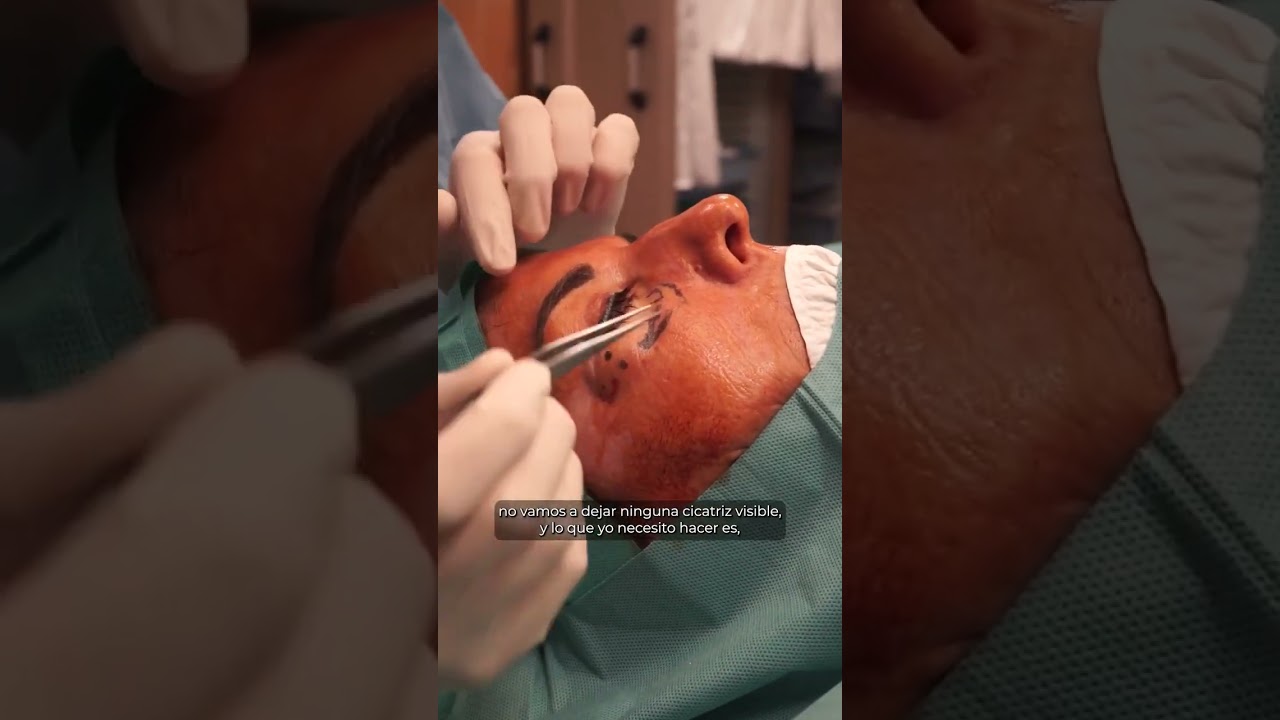
How is the Blepharoplasty procedure performed?

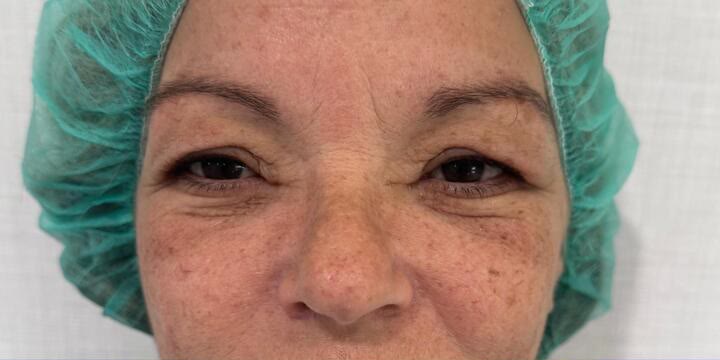
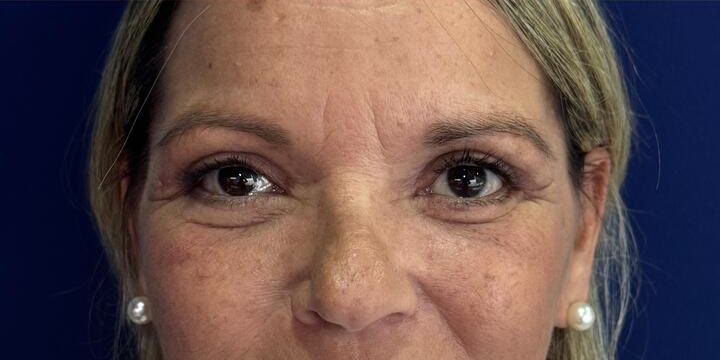
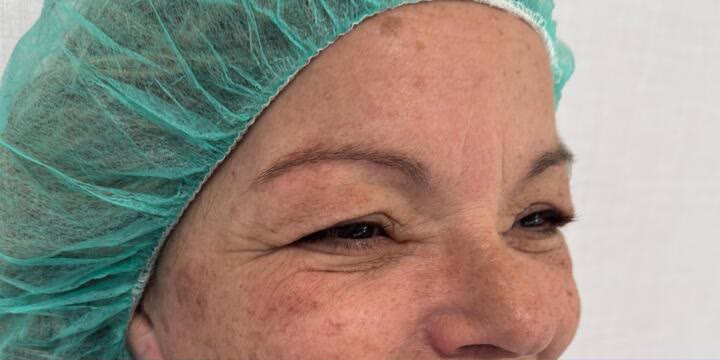
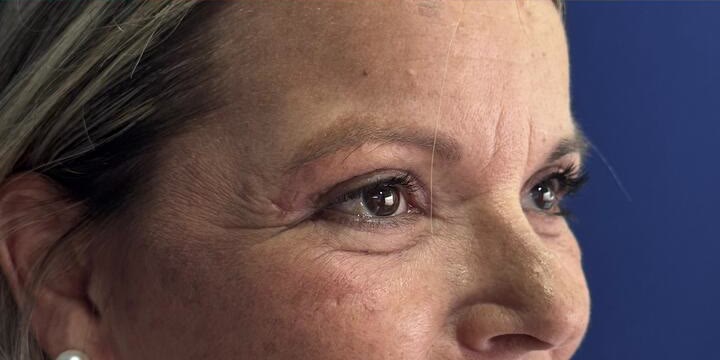
Before and after Blepharoplasty

Los resultados de una blefaroplastia son generalmente visibles después de algunas semanas, una vez que la hinchazón y los hematomas han disminuido. LosThe results of a blepharoplasty are generally visible after a few weeks, once swelling and bruising have subsided. Patients typically notice a significant improvement in the appearance of their eyes, with firmer eyelids and a more youthful, refreshed look.pacientes suelen notar una mejora significativa en la apariencia de sus ojos, con párpados más firmes y una mirada más joven y despierta. Es importante tener en cuenta que los resultados pueden variar dependiendo de factores individuales como la elasticidad de la piel y la cantidad de tejido eliminado. Sin embargo, con la elección de un cirujano experimentado, los resultados suelen ser altamente satisfactorios.

Ideal candidate for Blepharoplasty

The ideal candidate for blepharoplasty is someone in good overall health with realistic expectations about the results. This procedure is particularly suitable for individuals experiencing any of the following issues:

Excess skin that hides the natural fold of the upper eyelids

  • Bags or puffiness under the lower eyelids
  • Drooping upper eyelids that interfere with vision
  • A tired or aged appearance around the eyes
  • It is crucial that candidates do not smoke and are free from serious medical conditions that could affect healing.

Preoperative tests for blepharoplasty surgery

Before undergoing blepharoplasty, a series of evaluations and tests are required to ensure the patient is fit for surgery. These may include:

  • Physical exam: A thorough evaluation of the eyelids and vision, along with a review of the patient’s medical history
  • Photographic assessment: Photos of the eyes taken from various angles to aid in planning and evaluating postoperative results
  • Vision tests: In certain cases, a vision exam may be performed to rule out any underlying issues

Postoperative care for eyelid surgery

After blepharoplasty, it is crucial to follow these care instructions for a smooth recovery:

  • Cold compresses: Use to reduce swelling and bruising
  • Eye drops or ointments: Keep the eyes lubricated and prevent infections
  • Avoid strenuous activities: Rest for at least one week to ensure proper healing
  • Do not rub the eyes: Prevent irritation and complications with the incisions

Full recovery usually takes 10 to 14 days, and it’s advisable to avoid sun exposure for a month.

Care
Improved appearanceReduced dark circlesCorrected obstructed visionBoosted self-esteem

How much does blepharoplasty cost?

The cost of blepharoplasty can vary significantly depending on factors like the surgeon’s experience, the complexity of the procedure, and the clinic’s location. On average, prices range from €2,000 to €5,000. It is important to discuss with the surgeon for a more accurate estimate and to understand what the treatment cost includes.

Factors influencing the cost of blepharoplasty

  • Type of Blepharoplasty: Whether the surgery involves the upper eyelids, lower eyelids, or both affects the price
  • Amount of Skin or Fat to Be Removed: The extent of correction required will impact the cost
  • Surgical Techniques Used: Advanced or minimally invasive procedures may have different pricing
  • Duration of the Procedure: More complex surgeries generally carry a higher price
  • Postoperative Care: Follow-up visits, medication, and additional care after surgery also influence the final price

How much does blepharoplasty cost?

Frequently asked questions about blepharoplasty surgery

How long does swelling last after the procedure?

Swelling in the treated area is common after any surgical procedure. It usually subsides significantly within the first few weeks.

How long do the results of blepharoplasty last?

The results are permanent, offering long-lasting improvement in the appearance of the eyelids.

Can this surgery affect vision?

The procedure does not affect any organs involved in vision. Eye safety is maintained throughout the surgery.

Will there be visible scars after surgery?

Blepharoplasty is performed using minimally invasive techniques. Incisions are discreet and typically leave no visible scarring.

When can I wear makeup again?

It is recommended to wait at least two weeks before applying eye makeup to allow proper healing and reduce the risk of infection.

What Are the Risks Associated with Blepharoplasty?

Although rare, potential risks include:

  • Infection: As with any surgery, infection can occur if proper care is not followed.
  • Bruising: Swelling and bruising around the eyes are common after the procedure.
  • Dry eyes: Some patients may experience dryness or discomfort post-surgery.
  • Asymmetry: Minor differences between eyelids may occur and sometimes require touch-ups.
  • Visible scarring: Though uncommon, scars may become more noticeable in certain cases.
  • Temporary difficulty closing the eyes: Some patients may find it hard to close their eyes completely for a short period.
  • Temporary vision issues: In rare cases, inflammation can cause brief visual disturbances.
Does blepharoplasty remove dark circles?

Not necessarily. Lower eyelid surgery can reduce bags that contribute to dark circles, but pigmentation may require additional treatments such as laser, fillers, or chemical peels.

Can I combine blepharoplasty with other procedures?

Yes, it's common to combine it with a facelift, dermal fillers, or Botox for a more complete facial rejuvenation.

Can blepharoplasty improve my vision?

Yes, in cases where excess skin from the upper eyelids obstructs the visual field, removing it can significantly improve vision.

When can I wear contact lenses again?

You can generally resume wearing contact lenses 1 to 2 weeks after surgery, depending on your healing process.

Can I get a non-surgical blepharoplasty?

There are non-surgical options like CO₂ fractional laser, radiofrequency, thread lifts, or plasma pen (plasma blepharoplasty). However, these only improve mild cases and do not remove excess skin or fat permanently. For significant sagging, surgery is the most effective solution.

What is the recommended age for blepharoplasty?

There is no fixed age, but it is commonly performed from age 35–40 onward, when eyelid aging signs begin to appear. It may also be done earlier if genetic factors cause premature bags or sagging.

Does blepharoplasty change the shape of the eyes?

It should not, if done correctly. The goal is to rejuvenate the eyes without altering your natural expression. Some temporary changes may occur due to swelling, but the eyes gradually return to their normal shape.

Frequently asked questions about blepharoplasty surgery

How we work

Your journey, step by step

01

First assessment

We study your case and listen to your goals to design a fully personalised plan.

02

A plan for you

We explain the technique, the expected result and the price with full transparency.

03

Safe procedure

An expert surgeon performs the procedure, always prioritising your safety.

04

Close follow-up

We support you throughout the recovery until you are fully healed.

4.9 / 5

Excellent · 10.000 reviews

Other treatments in facial surgery

No obligation

Book your appointment and take the first step

Book a personalised assessment with our team of surgeons. We answer all your questions and design a plan tailored to you, with full transparency.

WhatsApp