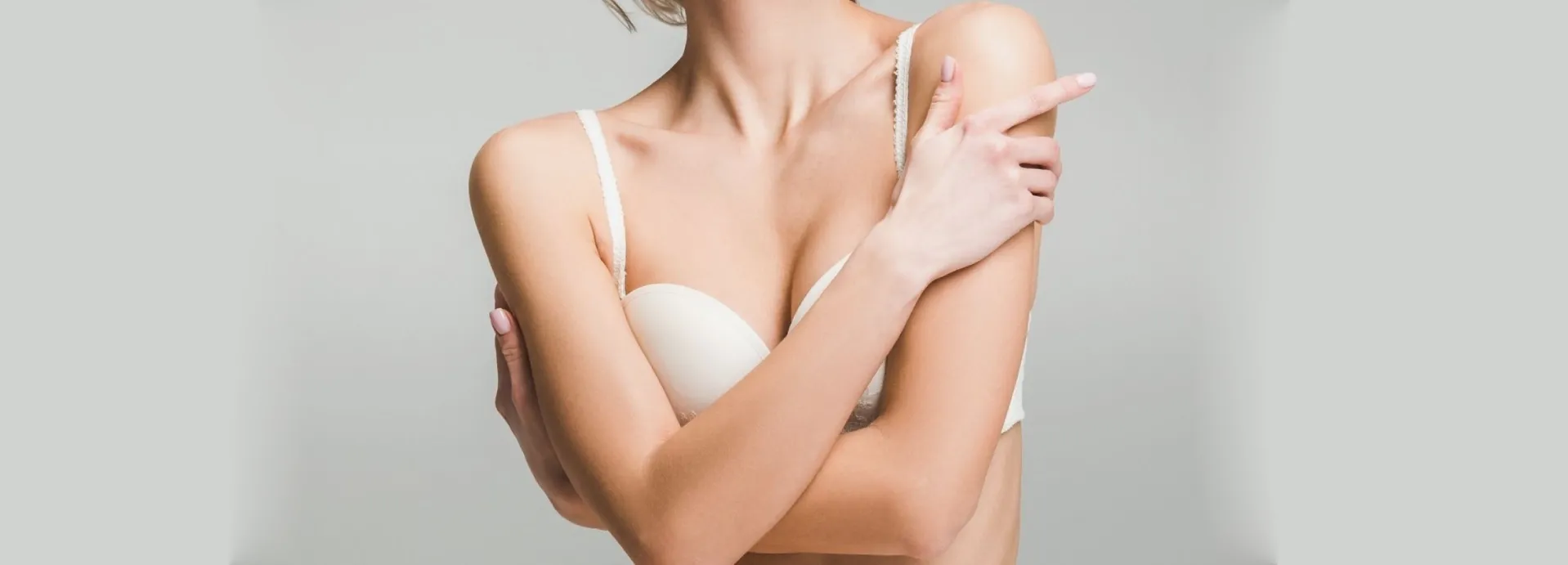
Breast ptosis, also known as breast sagging, is a very common aesthetic concern among women of all ages. Although it is a natural process that occurs over time, many patients seek solutions to restore a firmer, lifted, and more youthful appearance to their breasts.
In this article, we’ll clearly and simply explain what breast ptosis is, why it happens, and what the most effective solutions are today, such as mastopexy.
What is breast ptosis?
Breast ptosis is the medical term used to describe the sagging or drooping of the breasts. It occurs when the tissues that support the breast lose firmness and elasticity, causing the breasts to descend from their original position.
This phenomenon can affect women with both small and large breasts and is often related to natural factors such as age, pregnancy, or weight fluctuations.
Degrees of breast ptosis
The sagging of the breast can be classified into different degrees depending on the position of the nipple in relation to the inframammary fold:
- Grade I (Mild): The nipple is at the level of the inframammary fold.
- Grade II (Moderate): The nipple is below the fold.
- Grade III (Severe): The nipple points downward and is significantly lower than the fold.
Why does breast ptosis occur?
There are several factors that contribute to breast sagging. Some are inevitable, while others can be minimized with proper care. The main causes include:
1. Aging
As we age, the skin loses collagen and elastin—two essential components that maintain tissue firmness. This causes the skin of the breasts to become more lax and less able to support breast tissue.
2. Pregnancy and breastfeeding
During pregnancy, the breasts increase in volume and often decrease again after breastfeeding. These changes stretch the skin, which may not fully tighten afterward.
3. Weight fluctuations
Significant changes in body weight also affect the breasts. When gaining weight, breasts may enlarge, and when losing weight, they can appear empty or saggy.
4. Genetics
The quality of the skin and the breast structure are also determined by genetics. Some women are more prone to developing breast ptosis.
5. Natural breast size
Larger breasts tend to sag more easily due to their own weight.
Solutions for breast ptosis
While breast sagging is natural, there are effective solutions to correct it, both surgical and non-surgical. The most common and effective procedure is mastopexy.
Mastopexy: breast lift surgery
Mastopexy, or breast lift surgery, is a surgical procedure that corrects breast ptosis. Its goal is to lift and reshape the breasts by removing excess skin and repositioning breast tissue.
Types of mastopexy based on the patient’s needs:
- Mastopexy without implants: Lifts the natural breast, ideal when there’s enough volume but sagging tissue.
- Mastopexy with implants: Combines a lift with breast implants to restore both firmness and lost volume.
- Mastopexy with reduction: Recommended when sagging is accompanied by excess tissue that needs removal.
Are there non-surgical treatments for breast ptosis?
In very mild cases, some non-surgical treatments may help improve the appearance of the breast, although they do not replace mastopexy. These include:
- Radiofrequency and collagen stimulators: These may improve skin firmness but do not significantly lift the breast.
- Exercise and muscle toning: Strengthening the pectoral muscles can improve the underlying support, but it does not correct sagging breast tissue or loose skin.
- Firming creams: They may enhance skin texture, but they do not produce any real lifting effect.
Read more:
Frequently asked questions about breast ptosis
- Can breast ptosis be prevented?
- At what age can a mastopexy be performed?
- How long is the recovery after a mastopexy?
Partially, yes. Although it’s not always possible to avoid, maintaining a healthy lifestyle, keeping a stable weight, wearing supportive bras, and keeping the skin well-hydrated can help delay its onset.
There’s no fixed age, but it is generally recommended for patients who have reached full physical maturity (at least 18 years old) and who are not planning to become pregnant or breastfeed in the near future, as these factors can affect the results.
Most patients can resume light activities within a few days, but it’s advised to avoid intense physical effort for at least 4 to 6 weeks. Recovery is usually manageable with proper post-operative care.