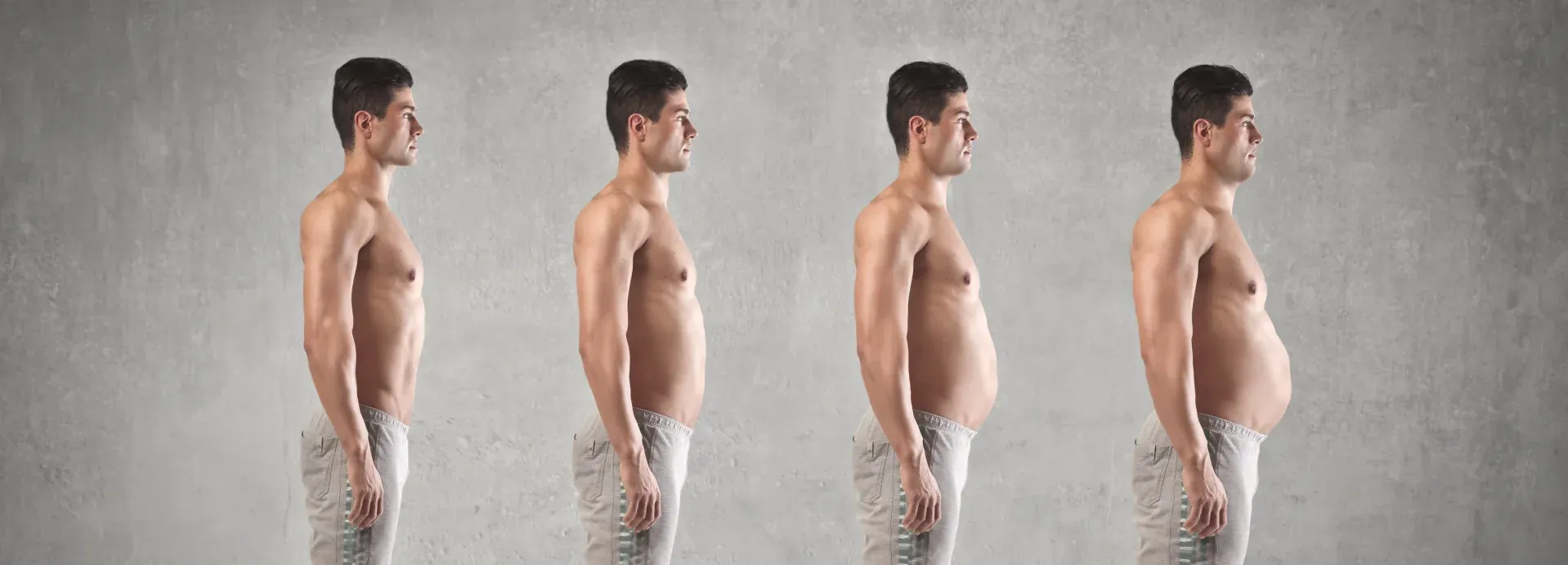
Struggling with excess weight can be incredibly frustrating. Many people have tried diets, exercise routines, supplements, and various treatments without achieving the results they hoped for. When those efforts aren’t enough, bariatric surgery emerges as a real and effective alternative. In this article, we’ll explain everything you need to know about losing weight through surgery in a simple, clear, and easy-to-understand way.
What Is bariatric surgery?
Bariatric surgery also known as weight-loss surgery or metabolic surgery is a group of surgical procedures that alter the digestive system to help people with obesity lose weight safely and effectively. This intervention is not just about improving physical appearance. It also aims to reduce serious health risks such as type 2 diabetes, high blood pressure, high cholesterol, sleep apnea, and cardiovascular disease.
When Is weight-Loss surgery recommended?
Specialists usually consider this option when:
- The body mass index (BMI) is 40 or higher.
- The BMI is between 35 and 39.9 and there are obesity-related health conditions.
- Other weight-loss methods have failed after at least six months of consistent effort.
How to lose weight
1. Gastric Sleeve (Sleeve Gastrectomy)
One of the most popular procedures today. It involves removing about 80% of the stomach, leaving a narrow, tube-like “sleeve.”
Advantages:
- Reduces hunger by lowering levels of the hormone ghrelin
- Faster recovery
- Fewer complications compared to other surgeries
- Best for: Individuals with a BMI between 35 and 45 looking for an effective, moderate-risk option.
2. Gastric Bypass
A more complex technique that reduces stomach size and reroutes part of the small intestine, limiting calorie and nutrient absorption.
Advantages:
- Greater weight loss
- Rapid improvement of conditions like type 2 diabetes
- Best for people with severe obesity or significant metabolic health issues.
3. Gastric Balloon
Not a surgical procedure but a medical weight-loss technique. A silicone balloon filled with liquid is placed inside the stomach to create a feeling of fullness and reduce appetite.
Advantages:
- No incisions required
- Temporary solution (6 to 12 months)
- Best for: Individuals with a BMI between 27 and 35 as a first-line treatment
4. Endomanga MEGA
An advanced endoscopic technique that mimics the gastric sleeve without cutting the stomach. It's performed through the mouth using internal sutures to reduce stomach volume.
Advantages:
- Safer than traditional surgery
- Faster recovery
- Best for: People seeking a less invasive alternative
What are the benefits of undergoing weight-loss surgery?
- Significant and sustainable weight loss
- Better blood sugar control
- Reduced or eliminated need for medication for chronic conditions
- Boosted self-esteem and improved quality of life
- Increased mobility and energy
Remember: Your health and well-being come first. Taking control of your weight is a courageous decision. You are not alone on this journey. Dr. Ricard Sorio
Frequently asked questions
- Will I gain the weight back?
- Is bariatric surgery reversible?
- How long will it take to recover?
- Gastric Balloon: Return to work in 1–2 days
- Endomanga MEGA: 3–5 days of rest
- Gastric Sleeve: 1–2 weeks
- Gastric Bypass: Up to 3 weeks
It's possible, but not inevitable. Success depends on the patient’s commitment to adopting new habits. Some people regain weight if they return to overeating or stop being physically active.
It depends on the type. The gastric balloon and endomanga are reversible, while the sleeve and bypass are not.