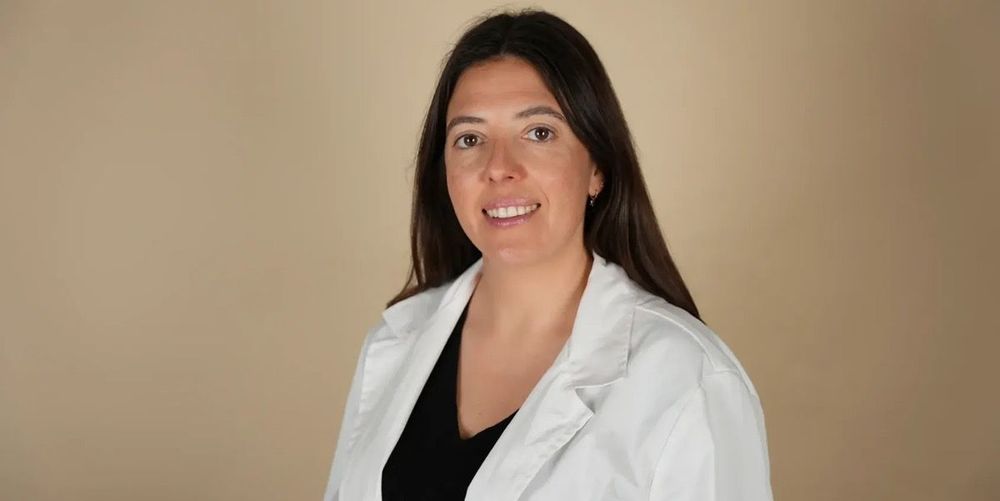
Our dietitian-nutritionist Andrea Grau Domingo has taken part in a Women’s Health article analysing the risks of some of the food trends that become popular on social media, especially those promising quick weight loss before summer.
Extreme fasting, detox diets, cutting out food groups or weekday compensation strategies are some of the practices that have gained prominence on social media.
In the article, Andrea Grau highlights something she sees in consultation: patients who arrive after following viral trends without supervision and who show anxiety, tiredness, frustration or rebound effect.
“Carbs are not the enemy”
One of Andrea Grau’s main messages in the article is the importance of leaving behind the demonisation of certain food groups.
Carbohydrates are often one of the first foods to be cut out when people want to lose weight quickly. However, they are not the enemy. What matters is which foods we choose, in what amount and how they fit into each person’s overall diet.
A healthy diet is not about banning certain foods, but about learning to include them properly within a balanced pattern.
The risk of restrictive trends
Andrea also warns about the rise of certain strategies that may seem effective in the short term but are hard to sustain.
They include:
Intermittent fasting taken to the extreme.
Detox diets based on juices or smoothies.
Completely eliminating carbohydrates.
Excessive food restriction during the week.
Compensating for weekend excesses.
Weight-loss challenges with unrealistic goals.
As our specialist explains, many of these trends go viral without taking each person’s individual context into account and can fuel a cycle of restriction, hunger, loss of control and guilt.
Less rush, more common sense
Instead of quick fixes, Andrea Grau proposes a change of approach: prioritise health and sustainability over speed of results.
Overly restrictive diets can make it harder to stick to them and, in some cases, contribute to loss of muscle mass as well as weight. The goal should therefore be to build habits that can be maintained over time.
“The key is not to make more sacrifices, but to do it better.”
This philosophy is also part of the Clínica EGOS approach: supporting each patient with a strategy adapted to their needs, goals and personal circumstances.
Eat better, not necessarily less
One of the main lessons our specialist conveys is that improving your diet does not necessarily mean cutting portions further and further.
Andrea Grau’s recommendations include:
Keep regular mealtimes.
Listen to hunger and fullness cues.
Prioritise a balanced and varied diet.
Adapt your diet to real life.
Avoid cycles of restriction and compensation.
Seek professional advice when needed.
The aim is a more flexible relationship with food, keeping muscle mass and preventing weight loss from becoming a process based on prohibitions and guilt.
The importance of professional support
Social media has turned certain diets and nutrition challenges into viral phenomena. However, the fact that a strategy works for some people or becomes popular online does not mean it is right for everyone.
Nutritional needs depend on many factors, and any strategy aimed at improving body composition or losing weight should take the individual context into account.