Skip to content

Aesthetic Medicine

Carboxytherapy: Achieve younger and firmer skin

Aesthetic treatment to improve circulation and reduce cellulite.

280€̶Desde 238€

Carboxytherapy

Estimate your financing

Amount250
months

5/mo

Book a consultation

Indicative simulation: 0% up to 12 months; 9.5% nominal thereafter. Amount €250–€40,000. Financing subject to lender approval; APR per conditions.

Duration

15 -30 minutes

Results

6 -12 moths

We are not a franchise

We have our own medical team

What is carboxytherapy?

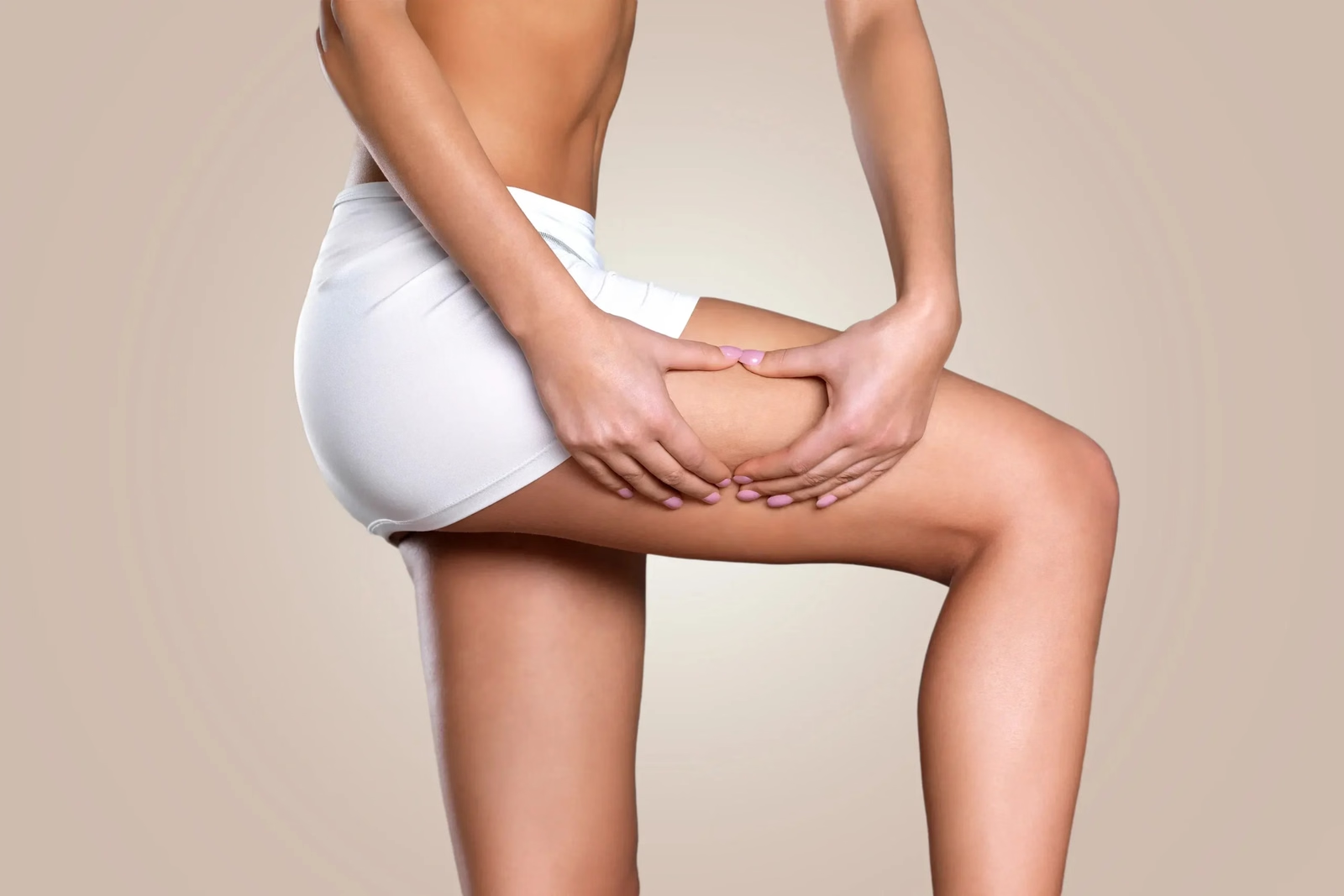
Carboxytherapy is a minimally invasive aesthetic treatment that uses carbon dioxide (CO₂) to improve blood circulation, oxygenate tissues, and stimulate the production of collagen and elastin. It is widely used to treat cellulite, reduce localized fat, eliminate dark circles, and improve skin quality. This procedure has gained popularity for being safe, effective, and non-surgical, providing visible results in just a few sessions.

What is carboxytherapy?

The Carboxytherapy treatment is performed by injecting carbon dioxide (CO2) beneath the skin, in the specific area to be treated. CO2 causes a series of beneficial reactions for the skin, such as:

Increase in blood and lymphatic circulation

This helps oxygenate and nourish the skin, improving its elasticity and tone.

Reduction of inflammation

CO₂ helps reduce inflammation in the skin, which reduces the appearance of cellulite and stretch marks.

Stimulation of collagen and elastin production

CO₂ stimulates the production of these essential proteins for skin firmness and elasticity.

What is carboxytherapy?

Ideal Patient

This treatment is ideal for people who wish to improve the appearance of their skin and reduce fat without undergoing invasive surgery.

It is recommended for:

  • People with cellulite or sagging on the legs, arms, or abdomen.
  • Patients with stretch marks or scars who wish to reduce their appearance.
  • Individuals looking to rejuvenate their face by reducing dark circles and signs of fatigue.
  • People with poor circulation or fluid retention.

It is not recommended for:

  • Pregnant women or those in the breastfeeding period.
  • Patients with skin infections or cardiovascular diseases.
  • People with severe respiratory problems or allergies to CO₂..

Before and after carboxytherapy

After the carboxytherapy treatment, patients typically experience several positive effects in the treated area. First, blood circulation improves significantly, facilitating a greater flow of oxygen and nutrients to the tissues, promoting cell regeneration. This treatment also helps reduce the appearance of cellulite, as it promotes the breakdown of fat cells and improves skin elasticity. Carboxytherapy stimulates the production of collagen and elastin, resulting in firmer, more toned skin with a more youthful appearance. Additionally, it can help improve body contour by promoting the reduction of localized fat and enhancing skin elasticity.

Before and after carboxytherapy

What pre-treatment tests are performed before Carboxytherapy?

Before undergoing a carboxytherapy treatment, it is essential to ensure that the patient is in suitable conditions to undergo the procedure. Pre-treatment tests are usually minimal, but the specialist will conduct a series of evaluations to guarantee the safety and effectiveness of the treatment:

  • Clinical evaluation: The specialist will perform a visual and palpatory assessment of the area to be treated. Aspects such as skin elasticity, the presence of cellulite or localized fat, and other aesthetic conditions that could benefit from carboxytherapy are evaluated.
  • Medical history: It is essential for the doctor to review the patient’s medical history to identify possible contraindications. This includes pre-existing medical conditions, such as cardiovascular diseases, diabetes, or respiratory disorders, that could affect the safety of the treatment.
  • Allergies and previous reactions: The professional will ask about any possible allergies or adverse reactions to previous treatments, especially to injectable products or any other substance that may be used in the treatment, such as carbon dioxide.
  • General health evaluation: Although no specific laboratory tests are required, it is recommended that the patient be in optimal general health. In some cases, if the patient has active infections, severe circulatory problems, or open wounds in the area to be treated, it is recommended to postpone the treatment.

What post-treatment care should be followed after Carboxytherapy?

Avoid sun exposure: Do not sunbathe directly for the first 48 hours and use sunscreen if necessary.

Avoid intense exercise: Refrain from engaging in intense physical activities for 24-48 hours.

Do not massage the treated area: Avoid rubbing or massaging the treated area to prevent altering the results.

Stay hydrated: Drink plenty of water to help with the elimination of toxins.

Avoid additional invasive treatments: Do not undergo other invasive aesthetic treatments during the first few days.

Control swelling and bruising: Apply cold compresses during the first hour if necessary.

Avoid smoking: Refrain from smoking for at least 48 hours.

Monitor for adverse reactions: Be alert to signs of infection or unusual reactions and contact the specialist if needed.

Follow-up: Consult with the specialist to evaluate the results and, if necessary, perform touch-ups to ensure the desired outcome.

Cares
Improves blood circulationReduces celluliteTightens the skinMore defined body contour

What is the price of carboxytherapy?

The price of carboxytherapy varies depending on the size of the area to be treated and the number of sessions required. At Bloome by EGOS, the price of the treatment starts at €275 per session.

What is the price of carboxytherapy?

Frequently asked questions about carboxytherapy

How long do the results of Carboxytherapy last?

The results of Carboxytherapy usually last between 6 to 12 months, depending on the type of problem being treated and the patient’s lifestyle habits.

Is Carboxytherapy painful?

It is a minimally invasive treatment and generally does not cause pain. However, some patients may experience mild discomfort, such as pinpricks or a feeling of pressure, during the treatment.

What are the risks associated with Carboxytherapy?

The risks associated with Carboxytherapy include:

  • Swelling or redness: After the treatment, temporary swelling or redness may appear in the treated area.
  • Bruising: It is common for small bruises to form at the injection sites.
  • Pain or discomfort: Some people experience a slight sensation of pain or burning in the treated areas during or after the procedure.
  • Infection: Although rare, there is a risk of infection at the injection points if proper hygiene measures are not followed.
  • Feeling of heaviness: In some cases, a feeling of heaviness or pressure may occur in the treated area due to the gas injection.
  • Allergic reactions: It is possible to have an allergic reaction to the materials used during the procedure, although it is uncommon.
Frequently asked questions about carboxytherapy

How we work

Your journey, step by step

01

First assessment

We study your case and listen to your goals to design a fully personalised plan.

02

A plan for you

We explain the technique, the expected result and the price with full transparency.

03

Safe procedure

An expert surgeon performs the procedure, always prioritising your safety.

04

Close follow-up

We support you throughout the recovery until you are fully healed.

4.9 / 5

Excellent · 10.000 reviews

Other treatments in aesthetic medicine

No obligation

Book your appointment and take the first step

Book a personalised assessment with our team of surgeons. We answer all your questions and design a plan tailored to you, with full transparency.

WhatsApp