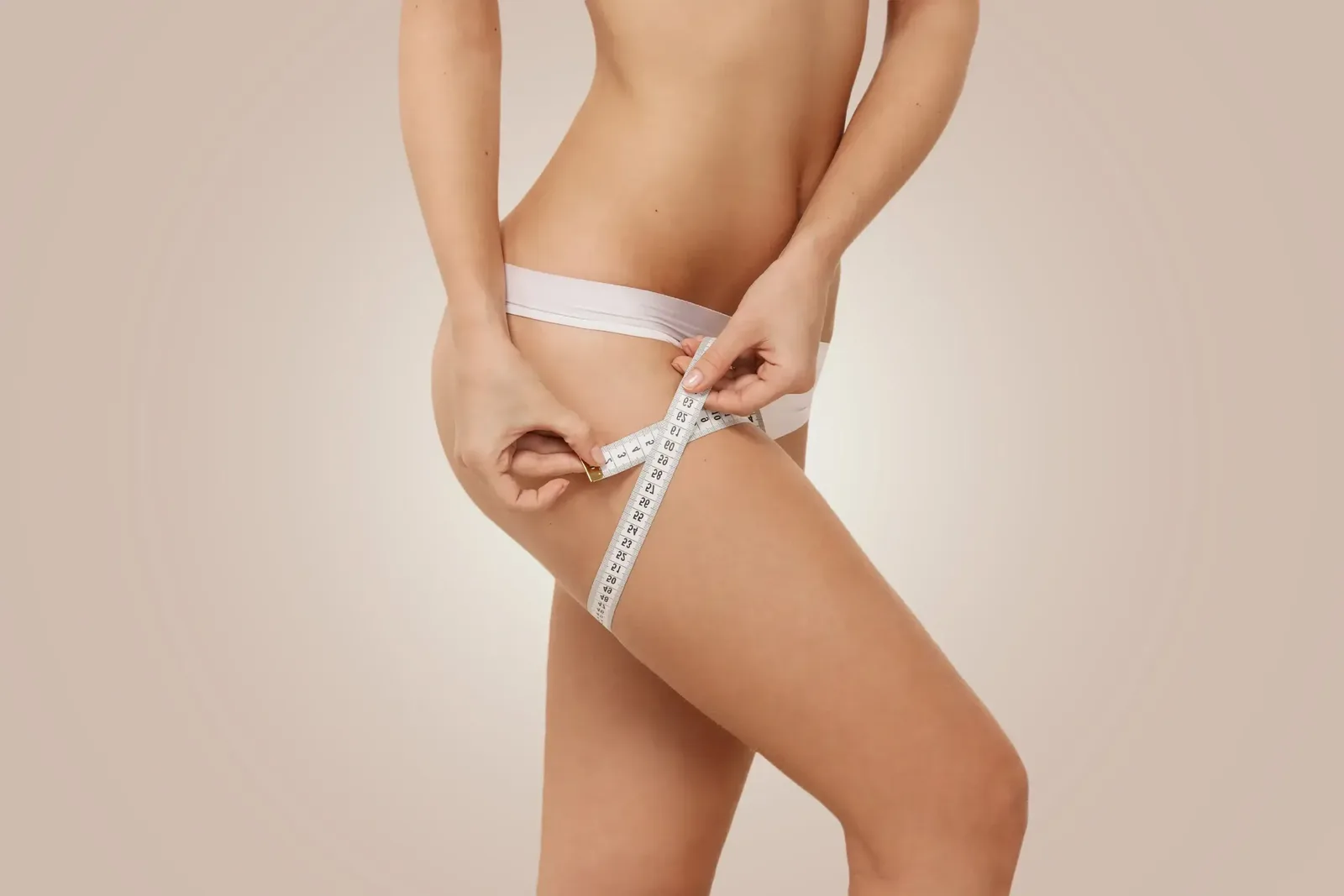
Body Surgery
Hip dips: more curves with a natural enhancement
Enhance the aesthetic shape of the hips.
Desde 3940€

Estimate your financing
83 €/mo
Indicative simulation: 0% up to 12 months; 9.5% nominal thereafter. Amount €250–€40,000. Financing subject to lender approval; APR per conditions.
Surgery duration
3 hours
Anesthesia
General
Postoperative Rest
24 hours
Visible Effects
2 months
Recovery
3 weeks
Results
Life-long
We are not a franchise
We have our own medical team
What is Hip Dips surgery?
Hip dips surgery is an aesthetic procedure aimed at smoothing or filling the natural inward curvature between the hips and thighs, commonly referred to as hip dips. This procedure can be performed using lipotransfer (fat grafting) or synthetic fillers like hyaluronic acid or biopolymers. The goal is to create a more curvaceous and harmonious silhouette by improving the transition from the waist to the hips.
How is a Hip Dips procedure performed?
Hip dips surgery, also known as fat transfer lipoplasty, enhances the shape and contour of the hips through fat transfer or implant placement. The two most common methods include:

- Filler with Implants
- Filler with Own Fat (Lipofilling)
Silicone or gel implants are inserted through small incisions in the hip area.
Fat is extracted from other areas of the body, such as the abdomen or thighs, and injected into the hip areas to fill the indentations.

Before and after photos of Hip dips
Who is a good candidate for Hip dips surgery?
The ideal candidate for hip dips surgery should meet the following criteria:
- Good General Health: No underlying medical conditions that could affect the surgery.
- Realistic Expectations: Understanding that the procedure improves the shape of the hips, but does not entirely eliminate the indentations.
- Suitable Body Type:
- Personal Motivation: The decision should be made for personal satisfaction, not due to social pressure or beauty standards.
- Appropriate Age: It’s recommended that candidates be of legal age and have fully developed physical features.
Preoperative tests for Hip dips
Before the procedure, a series of tests are conducted to ensure suitability for surgery. Key assessments include:
Medical history exam: The surgeon will review your medical history, current medications, and their impact on anesthesia and recovery.
Postoperative care for Hip dips
Proper recovery after hip dips surgery, whether with implants or lipofilling, involves the following steps (in addition to the surgeon's specific instructions at EGOS):
- Wear a Compression Garment: Helps reduce swelling and supports the area.
- Avoid Sitting Directly: For the first few weeks, use a special pillow as recommended by your surgeon.
- Care for Incisions: Keep the area clean and apply suggested products to promote healing.
- Pain Management: Take prescribed painkillers to alleviate discomfort.
- Avoid Intense Physical Activity: Rest initially and gradually resume activity.
- Healthy Diet: Maintain a balanced diet and stay hydrated to support recovery.
- Follow-up Appointments: Essential for monitoring progress and addressing any concerns.

Price of Hip dips surgery
Hip dips surgery involves liposuction and fat grafting to the hips, and the price varies based on the complexity of the procedure and the individual's body type. You can estimate the cost using our calculator. At Clínica EGOS, we offer a free consultation with our surgeon to assess the exact price for your hip dips procedure.
Factors influencing the price of Hip dips correction
- Technique used: Prices differ depending on whether fat transfer (lipofilling) or dermal fillers are used.
- Amount of material needed: The quantity of fat or filler required can affect the price.
- Duration of the procedure: Longer or more complex procedures may incur higher costs.
- Number of sessions: Some patients may require multiple sessions to achieve their desired results, which can increase the total cost.
- Postoperative care: Additional services like special garments, medications, and follow-up consultations may influence the final price.

Frequently asked questions about Hip dips surgery
- What is the goal of hip dips surgery?
- Which procedure is best for me?
- What should I expect during recovery?
- What are the risk factors associated with hip dips correction?
- Infection: As with any surgical or injection-based procedure, there is a risk of infection if proper post-care is not followed.
- Bruising or swelling: It is common to experience bruising or swelling in the treated area, which may take several days to subside.
- Asymmetry: There is a chance that the results may not be perfectly symmetrical, which could require touch-ups.
- Allergic reactions: Although rare, some individuals may experience allergic reactions to the filler material used (in cases involving dermal fillers).
- Material migration: In treatments involving fillers, there is a possibility that the material may shift from its original position, affecting the final results.
- Pain or discomfort: Mild discomfort is normal during the recovery process and typically decreases over time.
- Scarring: If a surgical approach is used, minimal scarring may occur.
- Do hip dips affect general health?
- Can hip dips be prevented?
- Are hip dips more common in women or men?
- Do treatments for hip dips affect my ability to exercise?
- What happens if I don’t undergo any procedure?
- Does hip dips correction leave scars?
- Can hip dips be corrected without surgery?
The goal is to smooth or fill the indentations, creating a more curvaceous and harmonious silhouette.
Your surgeon will guide you in choosing the most suitable procedure based on your body type and desired results.
Recovery typically includes wearing compression garments, avoiding direct pressure on the hips, and following your surgeon’s care instructions for optimal healing.
The risks associated with hip dips correction include:
Hip dips are a normal anatomical feature and do not impact your health. They are purely cosmetic concerns for those seeking to improve their appearance.
Hip dips are a natural part of body shape and cannot be entirely prevented, though targeted exercises can enhance their appearance.
Hip dips are more common in women due to the difference in pelvic structure.
After the initial recovery period, most patients can return to their exercise routines, though intense activity should be avoided during the first few weeks.
If you choose not to undergo surgery, your natural body shape will remain unchanged. Hip dips are common and do not affect health.
Yes, like any surgical procedure, there may be some scarring. However, incisions are typically small and well-concealed.
Non-surgical options, such as dermal fillers, can temporarily improve the appearance of hip dips, but results are not as long-lasting as surgical procedures.

How we work
Your journey, step by step
First assessment
We study your case and listen to your goals to design a fully personalised plan.
A plan for you
We explain the technique, the expected result and the price with full transparency.
Safe procedure
An expert surgeon performs the procedure, always prioritising your safety.
Close follow-up
We support you throughout the recovery until you are fully healed.
4.9 / 5
Excellent · 10.000 reviews
Other treatments in body surgery
Thigh lift
Get a thigh Lift and enhance your shape and contour
ViewButtock augmentation
Enhance the shape, size, and projection of your buttocks.
ViewLipoescultura
Reshape your body, eliminate localized fat, and sculpt your ideal figure.
ViewArm Lift – Brachioplasty
Arm lift or brachioplasty is a surgical procedure that removes excess skin and localized fat from the inner sides of the arms.
ViewWhere to get hip dips
No obligation
Book your appointment and take the first step
Book a personalised assessment with our team of surgeons. We answer all your questions and design a plan tailored to you, with full transparency.