Breast Surgery
Breast Implant Removal: Safe and Professional Surgery.
Aesthetic and functional improvements, renewing the patient’s appearance and confidence.
Desde 2500€

Estimate your financing
53 €/mo
Indicative simulation: 0% up to 12 months; 9.5% nominal thereafter. Amount €250–€40,000. Financing subject to lender approval; APR per conditions.
Surgery duration
2-3 hours
Anesthesia
General
Postoperative Rest
No rest required
Visible Effects
3 moths
Recovery
1 week
Results
Life-long
We are not a franchise
We have our own medical team
What is breast implant explantation?
Breast implant explantation is a surgical procedure that involves the removal of breast implants, whether they are made of silicone or saline, previously placed during breast augmentation, breast reconstruction, or cosmetic enhancement surgery. This procedure is performed for medical, aesthetic, or personal reasons, and may also include, in addition to implant removal, the excision of the periprosthetic capsule (the scar tissue that forms around the implant) and, in some cases, a mastopexy (breast lift) to tighten the skin and improve the appearance of the breasts.
How is the breast implant removal procedure performed?
The explantation process begins with a personalized evaluation. The surgeon will assess the condition of the implants and the surrounding skin to plan the surgery. During the procedure, which is usually performed under general anesthesia, the surgeon accesses the implants through the original scar or, if necessary, through a new incision.
- Access to the implant: The surgeon removes the breast implant and any scar tissue (capsule) that may have formed around it.
- Review of the breast tissue: If necessary, the surgeon can also make adjustments to the breast tissue to improve its aesthetic appearance.
- Breast lift (optional): Depending on the patient’s case, a breast lift may be recommended to prevent sagging.
The total surgery time may vary, but it usually takes between one and three hours.
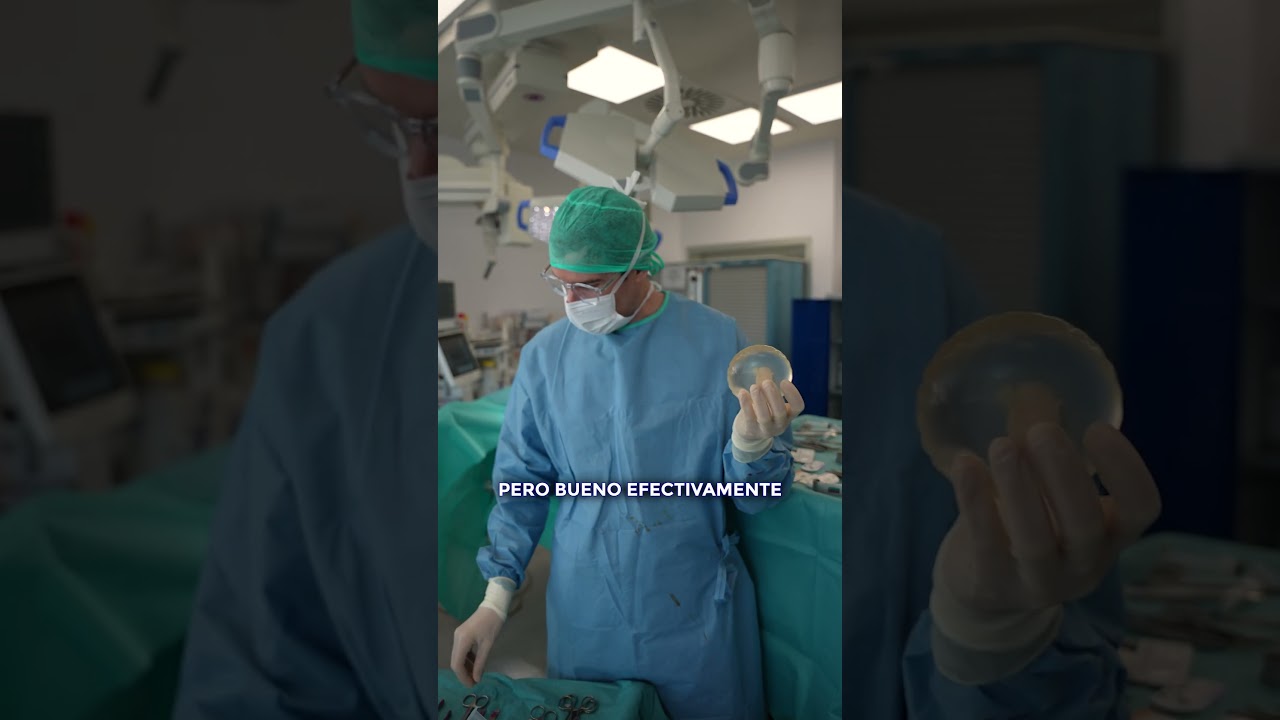
- Simple Explanation of Breast Implant Explantation
- Partial or Total Capsulectomy
- Partial Capsulectomy: Only a portion of the scar capsule is removed, leaving the deepest part attached to the chest wall intact. This is a less invasive technique and may be appropriate when the capsule does not present significant complications.
- Total Capsulectomy: The entire capsule is removed along with the implant in one piece, without opening the implant. This technique is especially recommended in cases of severe capsular contracture, implant rupture, or when there is a suspicion of an implant-related illness (such as BII or ALCL). It offers greater safety and reduces the risk of silicone particles or implant substances being released into the body.
- Explantation with Capsule Preservation
This procedure involves the direct removal of breast implants without any additional intervention on the surrounding tissue. It is an ideal option for patients without major complications, such as capsular contracture or implant rupture. The incision is usually made in the same location as the original scar, minimizing the visibility of new scarring.
When a capsule of scar tissue forms around the implant (which is normal in all patients with breast implants), it may be necessary to remove it either partially or completely. There are two types of capsulectomy:
In some selected cases, it is possible to leave the capsule in place after the implant is removed, especially if there are no signs of contracture, infection, or inflammation. This is a less invasive technique, although it is not always the most recommended option, as the residual capsule may undergo changes over time.

Ideal candidate for the procedure
The explantation procedure is suitable for individuals who:
- No longer wish to have breast implants for personal or health reasons.
- Have experienced complications such as implant rupture, capsular contracture, or implant displacement.
- Want to restore the natural appearance of their breasts without replacing the implants with new ones.
- Have elastic skin that allows for good adaptation after explantation.
During an initial consultation, the plastic surgeon will evaluate each patient’s individual situation to determine if they are a good candidate for the surgery.
Preoperative tests for breast implant removal surgery
Before surgery, it is essential to perform a series of preoperative tests to ensure the procedure is safe:
- Mammogram or breast ultrasound to assess the condition of the implant and breast tissue.
- Physical examination to check overall health status.
- Blood tests to rule out potential complications during surgery.
The surgeon will also review the patient’s medical history and adjust recommendations based on her specific needs.
Postoperative Care After Breast Implant Removal
After surgery, it is crucial to follow the surgeon’s instructions for a smooth recovery. Care includes wearing bandages and special support bras to reduce swelling, avoiding intense physical activity during the first few weeks, and attending follow-up appointments. Light activities can generally be resumed about one week after surgery, although full recovery may take between 4 and 6 weeks.
.

How much does it cost to remove breast implants?
The cost of breast implant removal varies depending on several factors, such as the surgeon’s experience, the location where the surgery is performed, and whether additional procedures like a breast lift (mastopexy) are included. The average cost can range between €2,500 and €7,000. It is advisable to schedule a consultation to receive a personalized quote tailored to each patient’s specific needs.
Factors that influence the cost of breast implant removal
- Surgical technique used: The price varies depending on whether it is a simple removal or a more complex procedure (such as a capsulectomy).
- Condition of the implants: If the implants are damaged or ruptured, the procedure may be more complicated and expensive.
- Presence of capsular contracture: If there is capsular contracture (hardening around the implant), an additional procedure may be required, increasing the overall cost.
- Type of anesthesia: The choice between local or general anesthesia will affect the final price.
- Additional skin treatment: If a complementary procedure, such as a breast lift (mastopexy), is necessary, it will also increase the total cost of the treatment.

Frequently asked questions about breast implant removal surgery
- When can I return to my normal activities?
- How much does breast implant removal cost?
- What will my breasts look like after implant removal?
- What are the risks associated with breast implant removal?
- Infection: As with any surgery, there is a risk of infection at the surgical site.
- Scarring: Although scars are usually discreet, there is always a possibility they may be more visible than expected.
- Asymmetry: After removal, the breasts may appear uneven in size or shape.
- Sagging or breast droop: After implant removal, the skin may appear loose or sagging, especially if the implants were large.
- Pain or discomfort: Pain or discomfort is common during the recovery process.
- Seromas (fluid accumulation): Fluid buildup in the surgical area may occur and require drainage.
- Changes in sensation: Temporary or permanent loss of sensation in the breasts or nipples may happen.
- What happens to the skin after implant removal?
- Is the capsule around the implant removed as well?
- Is it necessary to remove implants after a certain time?
- Can I replace my implants instead of removing them?
- Is it possible for my breasts to return to their original shape?
- Is it normal for the breasts to be saggy after implant explantation?
- What is the difference between simple explantation and explantation with mastopexy?
Recovery time varies depending on the type of procedure. Generally, it is recommended to wait 1 to 2 weeks before returning to normal activities.
The cost varies depending on the type of procedure, the surgeon, and the location.
One of the most common questions is how the breasts will look after the implants are removed. After explantation, the breast shape will depend on the amount of natural breast tissue and skin elasticity. In some cases, the breasts may appear smaller or sagging, especially if the implants were large or had been in place for a long time.
However, many patients choose to undergo a breast lift (mastopexy) during the same procedure to enhance the breast shape and achieve a more aesthetically pleasing result.
The risks associated with breast implant removal include:
It depends on the size of the implant and the elasticity of your skin. In some cases, the skin naturally retracts; in others, an additional procedure, such as a breast lift, may be necessary.
Not always. Capsule removal (capsulectomy) is necessary if there is capsular contracture, implant rupture, or other specific concerns. Your surgeon will evaluate whether removal is needed.
Implants are not lifetime devices. Regular check-ups are recommended, and replacement or removal should be considered if issues such as rupture or capsular contracture occur.
Yes, if you wish to maintain breast volume, you can opt to replace the implants with new ones during the same procedure.
In some cases, yes. However, it depends on how much the tissues were stretched by the implants and your skin's ability to retract.
Yes, it is normal for breasts to appear saggy after breast implant removal, especially if the implants were large or had been in place for a long time. Removing the implants causes the skin and tissues to lose the internal support the implant provided. Prolonged stretching may make natural skin retraction difficult, resulting in sagging or an empty appearance. Other factors, such as skin quality, age, pregnancy, or significant weight changes, also play a role.
The difference lies in the extent of the surgical intervention and the aesthetic outcomes:
Simple explantation involves removing the breast implants without making additional changes to the breast structure. It is ideal for patients with good skin quality that can naturally adapt to the loss of volume or for those who prefer a more natural result even if the breasts are less firm. In this procedure, the surgeon focuses only on implant removal and, if necessary, removing the periprosthetic capsule.
It is a less complex procedure with a shorter recovery time but does not address sagging or excess skin that may remain after implant removal.

How we work
Your journey, step by step
First assessment
We study your case and listen to your goals to design a fully personalised plan.
A plan for you
We explain the technique, the expected result and the price with full transparency.
Safe procedure
An expert surgeon performs the procedure, always prioritising your safety.
Close follow-up
We support you throughout the recovery until you are fully healed.
4.9 / 5
Excellent · 10.000 reviews
Other treatments in breast surgery
Breast reconstruction
It improves the quality of life for women who have undergone a mastectomy by restoring the shape and symmetry of the breasts, helping to boost their self-esteem and emotional well-being.
ViewTuberous breast
Enhances the size and shape of the breasts by inserting breast implants or the patient’s own fat.
ViewPeriareolar scar correction.
Enhances the size and shape of the breasts through the insertion of breast implants or the use of the patient’s own fat.
ViewGynecomastia
Correction of Enlarged Male Mammary Glands
ViewWhere to get breast implant removal
No obligation
Book your appointment and take the first step
Book a personalised assessment with our team of surgeons. We answer all your questions and design a plan tailored to you, with full transparency.