
In this article
- Why does stress affect hair?
- Types of Alopecia
- What Are the Symptoms of Stress-Related Hair Loss?
- How to Know if Hair Loss is Caused by Stress?
- Causes of Stress-Induced Alopecia
- Excessive hair shedding (noticeable on your pillow or brush)
- Impact of Stress on the Immune System
- Additional Factors That Can Worsen Hair Loss
- How to Manage Stress to Prevent Hair Loss
- The Importance of Getting Enough Sleep
- Is Stress-Induced Hair Loss Reversible?
- How to Regrow Hair Lost Due to Stress?
- What If Hair Loss is Not Due to Stress?
- Faq
Hair loss caused by stress is a problem that affects many people, leading to concerns and questions about how to manage it. In this article, we will explore the causes of stress-induced hair loss, its symptoms, and the best ways to treat and prevent this type of hair shedding.
Why does stress affect hair?
Stress has profound effects on the human body, and one of the most visible signs of these effects is hair loss. When we are stressed, the body produces hormones such as cortisol, which disrupt the hair growth cycle. This disruption can cause hair to prematurely enter the resting phase, accelerating hair shedding.
The hair growth cycle consists of three essential phases: the anagen phase (growth), the catagen phase (transition), and the telogen phase (rest). Stress can cause hair to enter the telogen phase faster than normal, which increases the amount of hair that falls out. This results in a temporary and excessive hair shedding known as stress-induced alopecia.
Types of Alopecia
Stress-Induced Alopecia:
This type of alopecia can trigger temporary hair loss. In most cases, this shedding is reversible, and hair regrows once stress levels are reduced.
Alopecia Areata:
This form of alopecia can be linked to stress, causing bald patches on the scalp. While it is not always directly caused by stress, the connection is significant in some cases.
Androgenetic Alopecia:
Unlike stress-induced alopecia, androgenetic alopecia is a hereditary condition. However, stress can accelerate hair loss in individuals genetically predisposed to it.
What Are the Symptoms of Stress-Related Hair Loss?
Some of the common symptoms of stress-induced hair loss include:
- Sudden or progressive hair loss
- Thinning hair in certain areas of the scalp
- Appearance of bald patches
- Changes in hair texture and thickness
How to Know if Hair Loss is Caused by Stress?
Certain signs can indicate that hair loss is related to stress, such as:
- Excessive hair shedding: Noticing more hair than usual on your brush or pillow.
- Bald patches: Sudden hair loss may lead to visible bald spots on the scalp.
- Thinner hair: Stress can make hair strands thinner and more fragile.
Causes of Stress-Induced Alopecia
Hair loss related to stress can affect many people and may have multiple causes beyond temporary discomfort, including:
- Alteration of the hair growth cycle
- Stress hormones (cortisol)
- Nutritional deficiencies
- Scalp disorders
- Signs That Stress is Affecting Hair Health
Some symptoms that may indicate stress is impacting your hair health include:
Excessive hair shedding (noticeable on your pillow or brush)
- Bald patches in specific areas of the scalp
- Hair becoming thinner and more brittle due to stress impact
- Emotional and Physical Stress
Emotional stress, caused by situations like work or family problems, and physical stress, resulting from illness or surgery, can both disrupt the hair cycle and cause hair loss. Both types of stress affect the body’s ability to regulate hair growth.
Impact of Stress on the Immune System
Chronic stress also weakens the immune system, which can increase susceptibility to health problems, including hair loss. A weakened immune system can contribute to inflammation in hair follicles, leading to hair shedding.
Additional Factors That Can Worsen Hair Loss
- Poor diet
- Insomnia
- Use of harsh hair products
- Hormonal changes
- Autoimmune diseases
- Genetic predisposition
These factors can worsen hair loss when stress is already present. Maintaining a healthy lifestyle is crucial to preventing stress-related alopecia.
How to Manage Stress to Prevent Hair Loss
While some factors, like genetics, cannot be changed, others can be managed through:
Lifestyle changes (getting enough sleep, staying hydrated, avoiding harsh hair products)
- Proper nutrition
- Stress management techniques
- Use of medical or hair care treatments
It’s essential to identify the underlying cause to apply the appropriate treatment and prevent hair loss progression.
The Importance of Getting Enough Sleep
Proper rest is fundamental to reducing the effects of stress. Sleeping 7 to 8 hours per night helps restore the body's hormonal balance and promotes hair health.
Treatments for Stress-Induced Hair Loss
When stress has caused significant hair loss, there are effective treatments to help restore it:
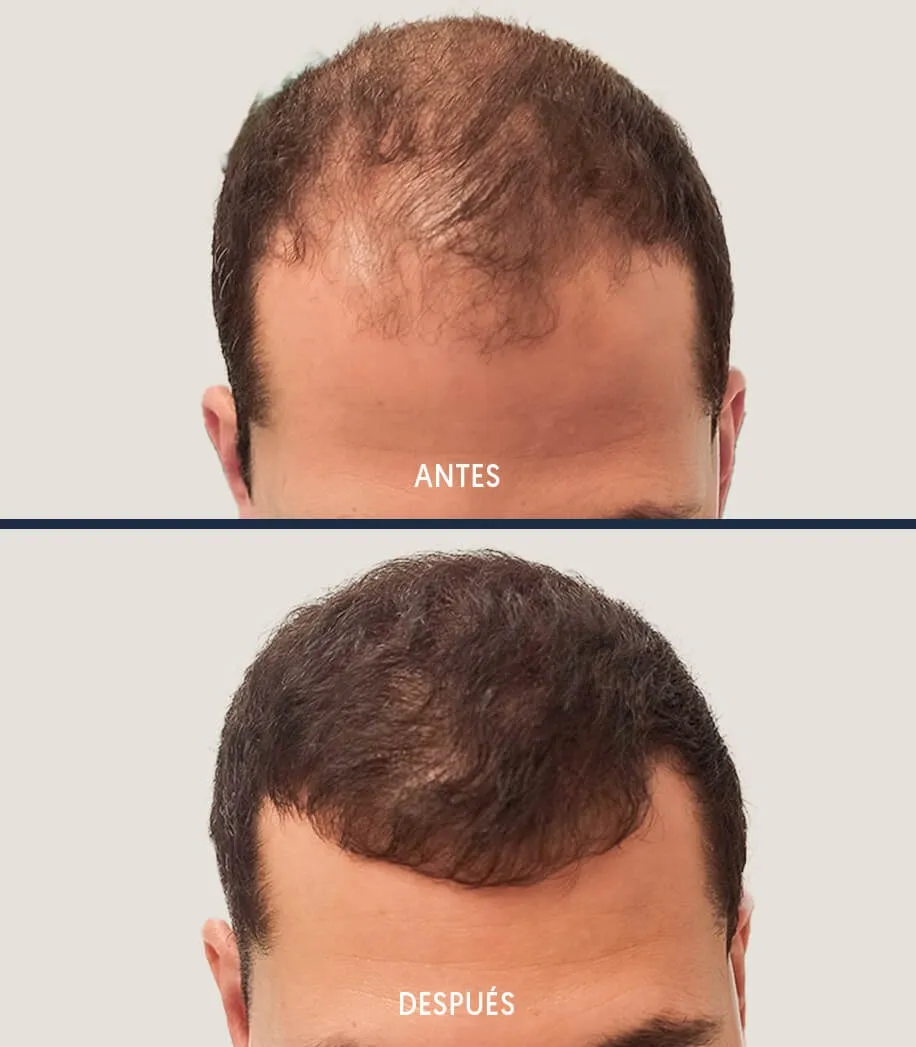
- Hair Transplant: In cases where hair loss due to stress is severe or prolonged, a hair transplant can be a viable and effective solution.
- Natural Treatments and Home Remedies: In addition to medical treatments, natural remedies such as rosemary oil, aloe vera, or biotin supplements can strengthen the hair. These home solutions can complement conventional treatments to restore hair health.
Is Stress-Induced Hair Loss Reversible?
The good news is that, in most cases, stress-induced hair loss is reversible.
How to Regrow Hair Lost Due to Stress?
Reducing stress and adopting a healthy lifestyle, including a balanced diet, regular exercise, and adequate rest, can help promote hair regrowth. Although the process may take time, recovery is possible.
What If Hair Loss is Not Due to Stress?
If hair loss is not related to stress, there may be other underlying causes that need attention. Non-stress-related causes include:
- Genetics
- Hormonal imbalances
- Autoimmune diseases
- Overuse of harsh hair products
It is important to consult a dermatologist for a proper diagnosis and to explore treatment options.
Additional Tips for Maintaining Hair Health
Besides managing stress, there are other measures you can take to strengthen and maintain healthy hair:
- Nutrition for Stronger Hair: A diet rich in essential vitamins and minerals for hair growth, such as iron, zinc, vitamins A and E, is key to keeping hair strong and healthy.
- Avoid Using Harsh Hair Products: Excessive use of chemical treatments, like dyes or straighteners, can weaken the hair. Opt for gentle, natural products to care for your hair health.
Faq
- Is it normal to lose so much hair when I’m stressed?
- How long does stress-related hair loss last?
- Can hair grow back after falling out due to stress?
- Does stress-related hair loss only affect the scalp?
- What should I do if I notice bald patches due to stress?
- Is stress-induced alopecia permanent?
- How can I tell if my hair loss is due to stress or another cause?
Yes, it is completely normal for stress to cause significant hair loss. This happens because stress disrupts the natural hair growth cycle, causing hair to enter the resting phase faster than usual, which leads to shedding. In many cases, this type of hair loss is temporary.
The duration of stress-induced hair loss varies from person to person. Generally, if stress is managed properly, hair loss can stop within a few months. However, complete hair regrowth may take longer since the hair growth cycle is slow.
Yes, in many cases, stress-related hair loss is reversible. Once stress is under control, hair typically regrows naturally. However, this process can take time, and results may vary depending on the severity of the stress and each individual's response.
Although stress-related hair loss usually affects the scalp, in some cases, it can affect other areas of the body, especially in situations of severe or chronic stress. In rare cases, bald patches may appear in areas such as the eyebrows or eyelashes, which could be related to conditions like alopecia areata.
If you notice bald patches appearing, it is important to consult a dermatologist as soon as possible. These patches may be a sign of alopecia areata, a form of hair loss related to stress. A specialist can recommend appropriate treatments, such as topical medications, laser therapy, or hair transplants.
In most cases, stress-induced alopecia is not permanent. Once stress levels decrease and a healthier lifestyle is adopted, hair loss should stop and hair will regrow. However, if stress persists or if hair loss is related to other factors like genetics or autoimmune diseases, recovery may be more challenging and require additional treatments.
It is important to undergo a medical evaluation to determine the cause of hair loss. A dermatologist can identify whether it’s stress-induced alopecia, androgenetic alopecia, or another type of hair disorder. Stress usually causes diffuse hair shedding (all over the scalp) and may be accompanied by other symptoms like insomnia or anxiety. An accurate diagnosis is essential to choose the appropriate treatment.