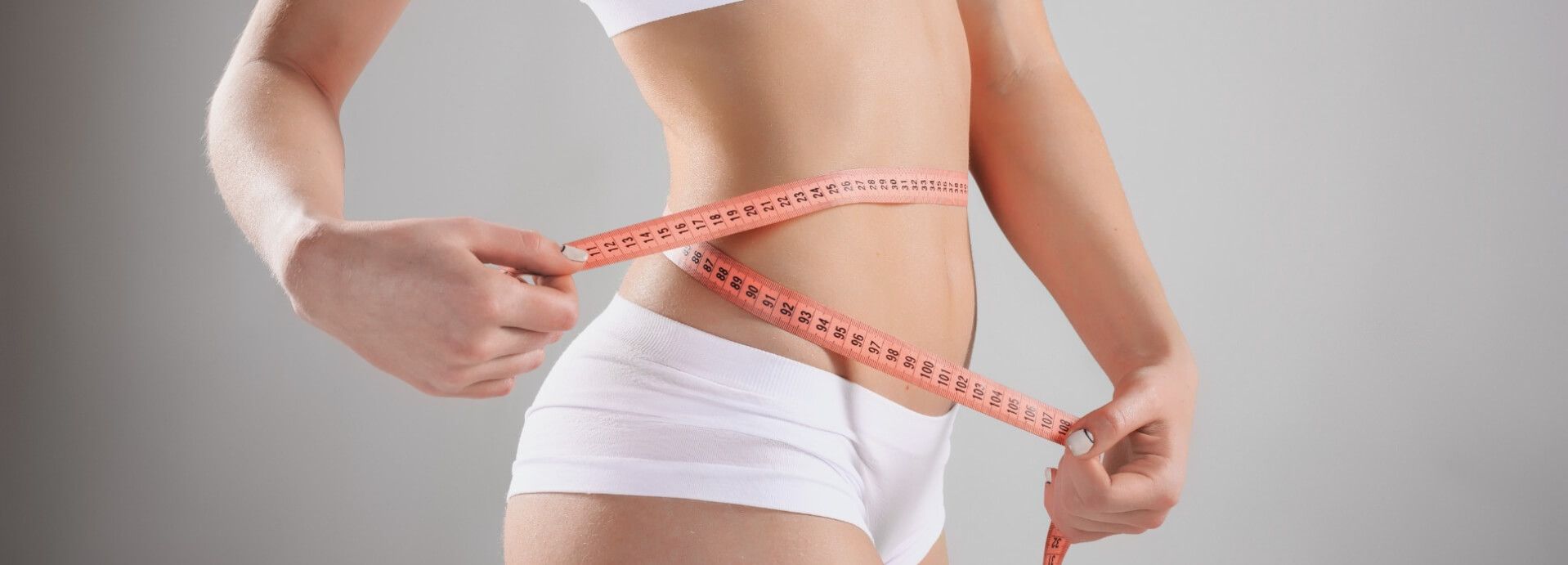
A tummy tuck is a surgical procedure that reshapes the abdomen and waist by removing excess fat and skin and tightening the muscles in the area. In this post, we explain how to improve the appearance of a tummy tuck scar so it becomes as discreet as possible.
What Does a Tummy Tuck Scar Look Like?
The scar from a tummy tuck results from the incision made just above the pubic area. This location gives the plastic surgeon access to the abdominal area to remove fat and tighten the skin. The size and visibility of the scar depend largely on the surgeon’s skill and experience. Fortunately, due to its low placement, the scar can often be easily concealed with underwear or swimsuits and even minimized in appearance over time.
Can You Eliminate a Tummy Tuck Scar?
Many patients wonder whether they can completely get rid of a tummy tuck scar. While it is not possible to eliminate it entirely, the good news is that its appearance can be significantly improved with the right approach. Here are several effective options to reduce its visibility:
Treatments to Improve a Tummy Tuck Scar
Rosehip-based creams and oils:
Creams containing rosehip oil, aloe vera, or almond oil can help soften and fade scars. Consistent use over time is key to seeing visible results.
- Dermabrasion: A cosmetic treatment that exfoliates the skin’s outer layers to smooth texture and reduce the appearance of scars.
- Laser therapy: High-energy light can help fade scars, depending on their depth and size. The number of sessions will vary based on your skin and scar type.
- Skin grafts: In some cases, healthy skin from a less visible area of the body can be grafted over the scar after removing the damaged skin.
- Surgical scar revision: For wide or long scars, a corrective surgical procedure may be the most effective option. This involves removing the old scar and carefully suturing the skin again for a cleaner, less noticeable result.
Additional Tips to Minimize a Tummy Tuck Scar
Follow post-op instructions carefully: Every person heals differently. Proper nutrition, wound hygiene, and following your surgeon’s care plan are essential.
- Be patient: The scar usually stabilizes after about 9 months, gradually fading from red to white.
- Preoperative planning: Placing the incision low on the pubic area is key to keeping the scar hidden under clothing and underwear.
- Careful suturing: A meticulous surgical technique improves the final appearance of the scar.
- Let pubic hair grow: Since the scar is placed along the pubic hairline, letting the hair grow can help naturally conceal part of the scar.
- Stop smoking: Smoking delays wound healing and increases the risk of poor scarring. It’s highly recommended to quit smoking during the recovery period—and ideally for good.
- Consider a tattoo: For tattoo lovers, covering the scar with ink is now considered safe and effective, as long as it’s done by professionals and after full healing.
- Always follow your surgeon’s advice: Whether you are a man or a woman, the most important thing is to follow your surgeon’s instructions for optimal healing and the best cosmetic outcome.
Faqs
- What Do Scars Look Like After a Tummy Tuck?
- Can a Tummy Tuck Scar Be Removed?
- How Long Does It Take to Recover from a Tummy Tuck?
- What Should I Avoid After a Tummy Tuck?
- Do not engage in physical exertion
- Avoid bending, stretching the abdomen, or lifting heavy objects
- Do not expose the scar to sunlight or extreme cold
- Avoid getting the wound wet until your plastic surgeon says it’s safe
- Following these precautions is essential to promote proper healing and minimize scarring.
The scar that forms after a tummy tuck is typically a horizontal line across the lower abdomen, running from one hip to the other. While it's a necessary result of the surgery, efforts are always made to place the scar low enough so that it can be easily hidden by underwear or swimwear.
A tummy tuck scar cannot be completely erased, but there are several treatments and strategies that can significantly reduce its visibility to the point where it becomes barely noticeable. Results depend on the patient’s skin type, healing ability, and consistency in following postoperative care instructions.
Recovery from a tummy tuck usually takes between 15 days and 3 weeks. However, the timeline may vary based on each patient’s case and overall health. Your surgeon will give you personalized recommendations to ensure safe and effective healing.
After undergoing a tummy tuck, it’s crucial to avoid certain activities to protect the wound and ensure proper healing: